

We earn a commission if you make a purchase, at no additional cost to you.
Your skin reflects what you eat. While skincare products work from the outside, true anti-aging begins with your diet. The nutrients you consume directly impact your skin’s elasticity, hydration, and ability to protect itself from damage. By making strategic dietary choices, you can help slow the aging process and maintain a youthful, radiant complexion for years to come.
These 10 evidence-based diet tips for anti-aging skin will help you nourish your body from within, targeting the root causes of premature aging like inflammation, free radical damage, and collagen breakdown. Let’s explore how you can eat your way to healthier, younger-looking skin.
1. Boost Your Antioxidant Intake
Antioxidant-rich foods help protect skin from free radical damage
Antioxidants are your skin’s first line of defense against free radicals—unstable molecules that damage cells and accelerate aging. These powerful compounds neutralize free radicals before they can harm your skin, helping to prevent wrinkles, fine lines, and age spots.
Best Antioxidant Sources:
- Berries (blueberries, strawberries, blackberries)
- Dark chocolate (70% cocoa or higher)
- Pomegranates
- Green tea
- Colorful vegetables (bell peppers, tomatoes)
- Nuts and seeds
- Spices (cinnamon, turmeric)
- Beans and legumes
Try adding a handful of berries to your breakfast, sipping green tea throughout the day, or enjoying a small piece of dark chocolate as a treat. Aim to include at least 2-3 antioxidant-rich foods in your daily diet to help fight free radical damage and protect your skin.
2. Incorporate Healthy Fats

Healthy fats are essential for maintaining a strong skin barrier, which helps lock in moisture and protect against environmental damage. Omega-3 fatty acids, in particular, help reduce inflammation and support skin cell membranes, resulting in plumper, more hydrated skin.
Top Sources of Skin-Friendly Fats:
- Extra virgin olive oil: Rich in monounsaturated fats and antioxidants that may help reduce skin aging
- Avocados: Contain healthy fats that support skin elasticity and moisture
- Fatty fish: Salmon, mackerel, and sardines provide omega-3s that help maintain a healthy skin membrane
- Nuts and seeds: Walnuts, flaxseeds, and chia seeds offer essential fatty acids that strengthen skin cell membranes
Include 1-2 tablespoons of olive oil in your daily cooking, add 1/4 avocado to your salad or toast, and aim to eat fatty fish twice a week. These simple additions can significantly improve your skin’s appearance and resilience.
3. Eat Collagen-Boosting Foods

Collagen is the protein responsible for your skin’s structure, elasticity, and firmness. After age 25, collagen production naturally declines, leading to wrinkles and sagging. While you can’t eat collagen directly and expect it to go straight to your skin, you can consume nutrients that support your body’s natural collagen synthesis.
Foods That Support Collagen Production:
Protein Sources:
- Bone broth
- Chicken
- Fish
- Egg whites
Vitamin C-Rich Foods:
- Bell peppers
- Citrus fruits
- Strawberries
- Broccoli
Vitamin C is essential for collagen synthesis, so pair protein-rich foods with vitamin C sources for maximum benefit. For example, add bell peppers to your chicken stir-fry or enjoy citrus fruit with your morning eggs.
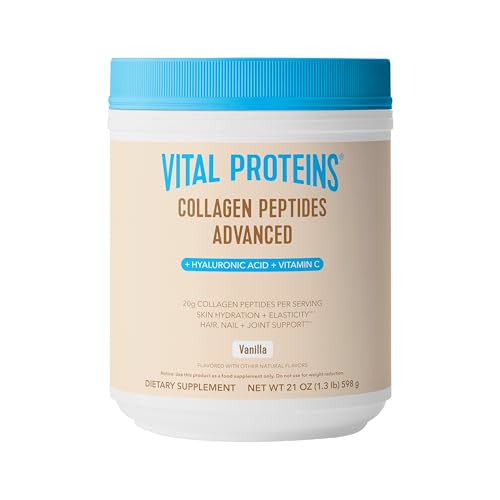

Want personalized anti-aging nutrition recipes?
Get our FREE 7-Day Collagen-Boosting Meal Plan! Perfect for anyone who wants to support natural collagen production and glow from the inside out.
4. Prioritize Hydration

Proper hydration is fundamental for youthful skin. When your body is well-hydrated, your skin appears plumper, fine lines are less noticeable, and your complexion has a natural glow. Dehydration, on the other hand, can make your skin look dull, accentuate wrinkles, and slow cell turnover.
Hydration Strategies:
- Drink 8-10 glasses of water daily (more if you’re active or in hot weather)
- Consume water-rich foods like cucumber, watermelon, and celery
- Enjoy herbal teas like green tea, which provides both hydration and antioxidants
- Limit dehydrating beverages like alcohol and caffeine
Create a hydration schedule by drinking a glass of water when you wake up, before each meal, and between meals. Infuse your water with fruits, herbs, or cucumber slices to make it more appealing if you struggle to drink plain water.
5. Focus on Anti-Inflammatory Foods

Chronic inflammation accelerates the aging process, breaking down collagen and elastin fibers that keep skin firm and resilient. An anti-inflammatory diet can help protect your skin from premature aging and support its natural repair mechanisms.
Top Anti-Inflammatory Foods:
- Fatty fish rich in omega-3s
- Leafy greens
- Berries
- Turmeric and ginger
- Olive oil
- Nuts and seeds
- Green tea
- Tomatoes
At the same time, limit pro-inflammatory foods like refined sugars, processed meats, and trans fats, which can trigger inflammation and accelerate skin aging. Try adding turmeric to your smoothies or soups, and incorporate leafy greens into at least one meal per day.
6. Prioritize Vitamin-Rich Produce

Certain vitamins play crucial roles in skin health and can help protect against sun damage, boost collagen production, and fight free radicals. A diet rich in these vitamins can significantly improve your skin’s appearance and slow the aging process.
Key Vitamins for Skin Health:
- Vitamin A: Supports cell turnover and repair (found in sweet potatoes, carrots, spinach)
- Vitamin C: Essential for collagen production and protection against sun damage (found in citrus fruits, bell peppers, broccoli)
- Vitamin E: Protects cell membranes and works with vitamin C to fight free radicals (found in nuts, seeds, avocados)
- Vitamin K: Helps with circulation and may reduce dark circles (found in leafy greens, Brussels sprouts)
Aim to eat a rainbow of fruits and vegetables daily, as different colors indicate different vitamin and antioxidant profiles. Include at least one serving of dark leafy greens, one orange or red vegetable, and one vitamin C-rich fruit in your daily diet.
7. Limit Added Sugars

Excess sugar in your diet can accelerate skin aging through a process called glycation. When you consume sugar, it attaches to proteins in your bloodstream, forming harmful molecules called advanced glycation end products (AGEs). These AGEs damage collagen and elastin, leading to wrinkles, sagging, and a dull complexion.
Tips to Reduce Sugar Consumption:
- Read food labels carefully—sugar hides in many processed foods
- Satisfy sweet cravings with fresh fruit instead of processed sweets
- Use spices like cinnamon, vanilla, and nutmeg to add sweetness without sugar
- Gradually reduce sugar in your coffee, tea, and breakfast cereals
When you do indulge in something sweet, pair it with protein or healthy fat to slow sugar absorption. For example, enjoy a small piece of dark chocolate with nuts or berries with a dollop of unsweetened Greek yogurt.
8. Include Probiotic-Rich Foods

The gut-skin connection is a fascinating area of research. Emerging evidence suggests that a healthy gut microbiome can lead to clearer, more youthful skin. Probiotics help balance your gut bacteria, which may reduce inflammation throughout the body, including in your skin.
Best Sources of Probiotics:
- Yogurt with live active cultures
- Kefir
- Sauerkraut
- Kimchi
- Kombucha
- Miso
Include at least one serving of probiotic-rich foods in your daily diet. For example, enjoy yogurt with berries for breakfast, add sauerkraut to your sandwich at lunch, or sip kombucha as an afternoon refreshment. These simple additions can support both gut and skin health.
9. Optimize Your Protein Intake

Protein is essential for repairing and rebuilding tissues, including your skin. Your skin cells are constantly renewing themselves, and they need adequate protein to create new, healthy cells. Without enough protein, your skin may become thin, wrinkled, and slow to heal.
Quality Protein Sources:
Animal-Based:
- Fatty fish (salmon, mackerel)
- Chicken and turkey
- Eggs
- Greek yogurt
Plant-Based:
- Legumes (lentils, chickpeas)
- Tofu and tempeh
- Quinoa
- Nuts and seeds
Aim to include a source of protein at each meal. For optimal skin health, focus on proteins that also provide other skin-supporting nutrients, such as fatty fish with omega-3s or beans with zinc and antioxidants.
10. Eat Foods That Protect Against Sun Damage

While sunscreen is your first line of defense against harmful UV rays, certain foods can provide additional protection from within. These foods contain compounds that help protect skin cells from sun damage and may reduce the risk of photoaging.
Sun-Protective Foods:
- Tomatoes: Rich in lycopene, which may protect skin from sun damage
- Watermelon and pink grapefruit: Also good sources of lycopene
- Carrots and sweet potatoes: Contain beta-carotene that helps protect against sunburn
- Green tea: Contains polyphenols that may reduce UV damage
- Dark chocolate: Flavanols may improve the skin’s resistance to sunburn
Remember that these foods complement but don’t replace proper sun protection. Continue using sunscreen, wearing protective clothing, and limiting sun exposure, especially during peak hours. Enjoy tomato-based dishes several times a week and regularly consume foods rich in beta-carotene for maximum benefit.
Sample Anti-Aging Skin Diet Plan

Daily Meal Ideas:
Breakfast
- Greek yogurt with berries and walnuts
- Vegetable omelet with avocado
- Green smoothie with spinach, banana, and flaxseeds
Lunch
- Salmon salad with leafy greens and olive oil dressing
- Lentil soup with vegetables
- Quinoa bowl with roasted vegetables and chickpeas
Dinner
- Baked fish with sweet potato and broccoli
- Stir-fry with colorful vegetables and tofu
- Chicken with tomato sauce and steamed greens
Snacks
- A handful of nuts or seeds
- Apple slices with almond butter
- Carrot sticks with hummus
- Small piece of dark chocolate
This meal plan incorporates all the anti-aging diet tips discussed above. Adjust portions based on your individual needs and preferences, and remember that consistency is key—these foods work best when consumed regularly as part of a balanced diet.
Nourish Your Skin From Within
Your diet plays a crucial role in how your skin ages. By incorporating these 10 diet tips for anti-aging skin into your daily routine, you can help protect your skin from free radical damage, support collagen production, reduce inflammation, and maintain hydration—all essential factors in preserving a youthful appearance.
Remember that healthy skin is a reflection of overall health. These dietary changes won’t just benefit your skin; they’ll support your entire body. Start with small, sustainable changes and gradually build healthier eating habits that you can maintain for life.
Ready to transform your skin through nutrition?
Get our FREE 7-Day Collagen-Boosting Meal Plan! Perfect for anyone who wants to support natural collagen production and glow from the inside out.
We earn a commission if you make a purchase, at no additional cost to you.
Share this:

Discover more from Simply Delicious
Subscribe to get the latest posts sent to your email.