

A few square feet can provide fresh lettuce, herbs, tomatoes, peppers, and more. You do not need a large yard or hours of free time. With the right crops and a simple plan, a garden small enough for a patio or narrow side yard can produce food all season.
The key is to treat every bit of space as useful. Grow upward, plant closely, refresh crops as they finish, and give the soil what plants need. This guide shows the best way to turn a small plot into a steady source of food.
Start with a quick survey. Watch the area for one full day and note where sunlight falls in the morning, noon, and afternoon. Most vegetables need six to eight hours of direct sun. Leafy crops can handle less, but fruiting crops need the brightest position.
Measure the usable ground, patio, balcony, or steps. Include paths, water access, and room to harvest. A bed that is too wide may hold more soil, but it will be hard to reach. Keep growing areas narrow enough that you can work from both sides.
Use a simple space map
- Mark the sunniest edge for tomatoes, squash, cucumbers, and peppers.
- Place shorter plants on the south side of taller plants so they receive light.
- Leave a clear path for watering, picking, and checking for pests.
- Reserve one area for quick crops such as radishes, lettuce, and baby greens.
- Use walls, railings, and fences for vertical support.
Think in layers. Low crops cover the ground. Medium crops fill the middle. Tall crops climb above them. This approach lets one area support several plants without creating a crowded jungle.

Choose the right growing method
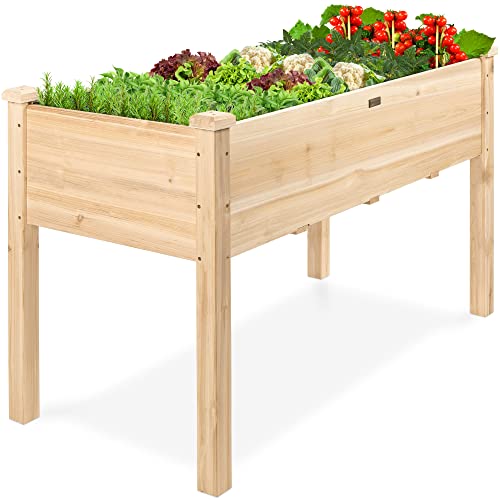
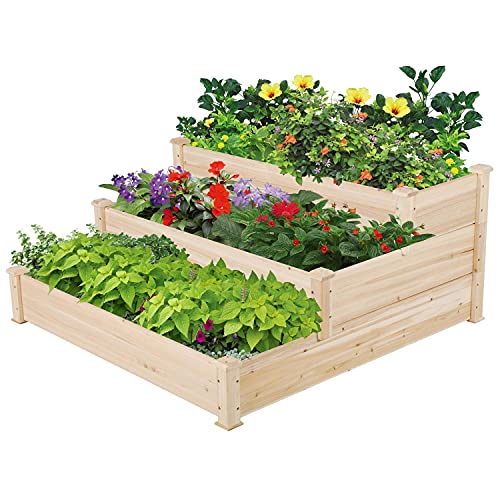
Raised beds work well when the ground is poor or hard to reach. Containers are useful on concrete, balconies, and rental properties. In-ground rows cost less, but they may need more digging and weed control. You can combine methods instead of choosing only one.
Small-space rule: Grow food where you can reach it easily. A productive garden that is simple to water and harvest will beat a larger garden that receives little care.
2. Pick Compact, High-Yield Crops
Crop choice has a bigger effect on success than garden size. Select vegetables that produce for a long time, take little room, or grow quickly. Look for words such as “bush,” “compact,” “patio,” “dwarf,” and “determinate” on seed packets and plant labels.
Best vegetables for a small space
Quick leafy crops
Lettuce, spinach, arugula, and mustard greens grow fast in spring and fall. Harvest outer leaves instead of pulling the whole plant.
- Use shallow containers.
- Sow small amounts often.
- Give afternoon shade in summer.
Long-producing crops
Cherry tomatoes, peppers, beans, and cucumbers keep producing when picked often. One healthy plant can provide food for many weeks.
- Support plants early.
- Choose compact varieties.
- Harvest before fruit becomes oversized.
Underground crops
Radishes, carrots, beets, and turnips use space below the soil. Short varieties are easier to grow in containers and shallow beds.
- Use loose soil.
- Thin seedlings on time.
- Plant a new row every few weeks.

Choose tomatoes with care
Tomatoes are popular, but they can take a lot of room. Determinate tomatoes stop growing at a set size and suit containers. Cherry tomatoes often provide a long harvest. Compact patio tomatoes work well in pots. If you plant tomatoes, use one strong support rather than allowing vines to spread across the ground.
Use squash only when you can train it
Summer squash can produce a lot of food, but it needs room. A bush variety is smaller than a vining type. You can also guide a vining squash up a sturdy trellis, but the support must hold heavy stems and fruit. Leave space around the base for air movement.
3. Grow Up Instead of Out
Vertical gardening is one of the best ways to grow a lot of food in a small space. It moves leaves and fruit above the ground, leaving room below for herbs or greens. Use trellises, netting, cages, arches, and strong stakes.
Match the support to the crop
- Cucumbers: Use mesh or a trellis with openings large enough for tendrils to grip.
- Pole beans: Build a tall frame and harvest pods often to keep new flowers coming.
- Peas: Add netting before seedlings become tangled.
- Tomatoes: Use a cage or stake that reaches above the mature plant.
- Small melons: Support developing fruit with soft slings if the variety allows it.
Install support before planting. Adding it later can disturb roots and break stems. Check the structure after rain or wind. A vertical garden must be stable, especially when wet plants become heavy.

Make use of containers
Containers add growing room without expanding the garden footprint. Choose a pot with drainage holes and enough depth for the crop. Tomatoes, peppers, herbs, lettuce, bush beans, and strawberries all adapt well to containers.
Large pots dry out more slowly than tiny pots. Use a light potting mix, not heavy ground soil. Group containers near a water source. This saves time and makes regular care easier.
4. Build Healthy Soil in Beds and Containers
Small gardens depend on healthy soil because every plant must make good use of limited room. Before planting, remove weeds and large roots. Loosen the ground without turning it into fine dust. Then mix in mature compost.
Raised beds should drain well but hold moisture. A blend of quality topsoil and compost is a useful starting point. Containers need potting mix made for pots. Do not fill them with garden soil alone because it can become dense and limit roots.
Feed the soil, not just the crop
- Add a thin layer of compost at the start of spring.
- Refresh containers with a new mix and compost each year.
- Use mulch to reduce weeds and slow moisture loss.
- Follow fertilizer directions instead of adding extra.
- Rotate crop families when space allows.
Overfeeding can create large leaves and few tomatoes or peppers. Too much fertilizer may also damage roots. Soil tests can show whether the garden lacks key nutrients. Local extension services often provide testing information for home growers.

Keep roots cool and covered
Apply a thin layer of straw, shredded leaves, or untreated grass clippings around established plants. Keep mulch away from stems. Mulch protects soil, reduces splashing, and gives roots a more even temperature during summer.
5. Plan Spring, Summer, and Fall Planting
A small garden can produce more when it is replanted as crops finish. This is called succession planting. Instead of sowing all your seeds on one day, plant small amounts over several weeks.
Build a simple seasonal rhythm
| Season | Good crops | Useful action |
| Early spring | Lettuce, spinach, peas, radishes | Sow quick seeds and protect young plants from cold nights. |
| Late spring | Tomatoes, peppers, beans, cucumbers | Transplant warm-season crops after frost risk passes. |
| Summer | Basil, chard, beans, summer squash | Mulch, water deeply, and replace finished lettuce. |
| Late summer | Kale, carrots, radishes, fall lettuce | Sow cool-season seeds for a second harvest. |
Use your local frost dates as a guide. The correct planting time varies by region, so a calendar for one state may not suit another. Seeds often need time to start, while nursery plants can shorten the growing season.
Leave no empty bed
When lettuce bolts or peas finish, pull the plants and add them to the compost if they are healthy. Then plant another crop. A cleared spot can grow a late summer crop, fall vegetables, or a cover crop that protects soil through winter.

6. Save Water and Time With Simple Care
Efficient watering is vital in a small garden. Containers may dry quickly, while raised beds can lose moisture during hot summer weather. Water the soil near the roots rather than spraying the leaves. Morning is often the best time because plants can dry before night.
Use a repeatable watering system
- Check soil moisture with a finger before watering.
- Water slowly until moisture reaches the root zone.
- Use drip lines or soaker hoses in beds.
- Place saucers under containers only when drainage remains safe.
- Increase checks during heat, wind, and late summer.
New seeds need steady moisture. Established plants usually benefit from deeper, less frequent watering. Short daily splashes can create shallow roots. Mulch helps, but it does not replace checking the soil.
Make maintenance quick
Spend a few minutes each day looking at the garden. Pick ripe vegetables, tie loose stems, and remove damaged leaves. A short routine prevents small issues from becoming large problems.
Harvest beans, cucumbers, and squash while they are young. Regular picking tells the plant to keep producing. Lettuce and herbs can be cut a little at a time. This approach spreads food across the week instead of creating one large harvest.

Watch for common problems
- New leaves look firm and evenly colored.
- Soil drains without staying flooded.
- Plants have enough air around them.
- Harvests continue after the first picking.
- Yellow leaves may signal wet roots or poor nutrition.
- Wilting can mean dry soil, heat, or root damage.
- White powder may indicate a fungal issue.
- Holes and chewed edges may point to pests.
7. Prevent the Problems That Reduce Harvests
Overcrowding is one of the most common small-garden mistakes. It may seem efficient to place plants close together, but crowded leaves block light and slow airflow. Follow the spacing on the seed packet, then guide plants upward when possible.
Give every crop enough room
Use mature plant size, not seedling size, when planning. A tiny tomato transplant may become a wide plant within a few months. Mark each location before planting. If a crop spreads more than expected, prune carefully or add support.

Protect plants without creating extra work
- Use insect netting over young greens when pests are common.
- Inspect the underside of leaves once or twice each week.
- Remove diseased leaves and dispose of them away from the compost.
- Water at the soil line to reduce leaf disease.
- Rotate tomatoes and other crop families when you have more than one bed.
Do not panic when a plant has one damaged leaf. Look for a pattern. A few holes may not affect the harvest. Fast action matters when damage spreads or new growth looks weak.
Handle heat and poor light
In summer, lettuce may become bitter or bolt in strong heat. Move containers to afternoon shade or use shade cloth. Sow another round when temperatures begin to fall. If the garden receives limited sun, focus on lettuce, herbs, spinach, radishes, and other crops that tolerate lower light.
Do not force tomatoes or squash into a deeply shaded area. They may grow leaves but produce little food. Put fruiting plants in the brightest place and use the less sunny edges for greens.
8. Try a Productive Small-Garden Layout
A useful layout can fit into a bed that is four feet wide and eight feet long, though you can scale it to your own space. Put a trellis along the north side. Grow cucumbers or pole beans there so they do not shade shorter crops.
Place two compact tomatoes and two peppers in the center or along the brightest edge. Add basil between them if there is room. Use the front section for lettuce, radishes, and carrots. Sow small rows every few weeks during the cool season.

Sample crop plan
Vertical zone
- Pole beans or cucumbers
- One strong trellis
- Underplant with herbs
Middle zone
- Compact tomatoes
- Patio peppers
- Basil or chives
Front zone
- Lettuce and spinach
- Radishes and carrots
- Successive fall greens
This layout is only a starting point. Adapt it to your climate, sunlight, household needs, and cooking habits. If you rarely eat radishes, grow more lettuce. If tomatoes are your favorite, give them more space and reduce the number of other crops.
Use containers to extend the plan
Add a pot of mint by itself because it can spread quickly. Grow rosemary and thyme in dry, sunny containers. Place lettuce in a shallow box near the kitchen. Use a deep container for one tomato or pepper plant. Several small containers can produce a lot of food when they are positioned well.

Keep a short garden record
Write down what you planted, when you planted it, and how much food you harvested. Note which varieties handled heat, pests, and limited space. After one year, you will have useful information for the next season. Over several years, this record can make planning faster and more accurate.

Growing food in a small garden is less about squeezing in every possible crop and more about choosing useful plants, placing them well, and caring for them consistently. Start with a few reliable vegetables. Improve the soil, add support, and plant again when a crop finishes. With each season, your garden will become more productive, easier to manage, and better suited to the food you love.
Shop
We earn a commission if you make a purchase, at no additional cost to you.




Frequently asked questions
How much food can a small garden produce?
The amount depends on sunlight, soil, crop choice, and care. A small garden can provide regular herbs, greens, and fresh vegetables, but it may not supply all the food a household needs. Focus on crops you eat often and harvest repeatedly.
What is the easiest vegetable for a beginner?
Lettuce, radishes, bush beans, and herbs are good starting choices. They grow quickly and show results in a short time. Compact tomatoes are also rewarding when they receive strong sunlight and steady water.
Can vegetables grow without a raised bed?
Yes. Containers, grow bags, window boxes, and in-ground patches can all work. The container must have drainage, and the crop must have enough root room. Choose a method that fits your available space and daily routine.
How do I grow more food without expanding?
Use vertical supports, succession planting, compact varieties, and containers. Harvest often and replant open areas. Improving soil and watering also helps each plant produce more reliably.
Share this:


Discover more from Simply Delicious
Subscribe to get the latest posts sent to your email.