

Why freezer meal prep makes busy weeks easier
Freezing lets you cook once and use the food several times. It can turn one batch of chili, rice, or roasted vegetables into several meals.
A planned freezer also reduces forgotten leftovers. When every item has a place and a date, you can use older food first.
Save cooking time
Cook in batches and reheat only what you need.
- Fewer cooking sessions
- Fast weeknight meals
- Less daily cleanup
Lower food waste
Freeze extra portions before they sit too long in the fridge.
- Use surplus ingredients
- Protect leftovers
- Track older items
Control portions
Small portions thaw faster and fit more freezer space.
- Single servings
- Family portions
- Flexible meal choices
Start with a freezer inventory and space plan
Before cooking, take everything out of the freezer drawers or shelves. Group similar items together and check dates, labels, and visible signs of freezer burn.
Make a short inventory list. Include the item, portion size, date frozen, and planned use. This list can stay on the freezer door or in a notes app.

Choose freezer zones
- Keep ready-to-eat meals at eye level.
- Store raw meat in a separate lower zone.
- Place vegetables and ingredients in labeled groups.
- Keep sauces, stock, and small items in one bin.
Foods that freeze well for meal prep
Many cooked foods freeze well when they are cooled, portioned, and sealed quickly. Foods with moisture and flexible texture usually keep their quality best.
Best cooked meals
- Soups, stews, and chili
- Casseroles and baked pasta
- Cooked beans and lentils
- Shredded chicken and pulled meat
Useful ingredients
- Cooked grains and rice
- Blanched vegetables
- Chopped onions and peppers
- Homemade stock and sauces
Breakfast options
- Breakfast burritos
- Oatmeal portions
- Muffins and quick breads
- Egg-based baked dishes

Foods to freeze carefully or avoid
Some foods change texture after thawing. High-water produce can become soft. Cream sauces may separate, and raw leafy greens may lose their crispness.
- Freeze potatoes in soups or mashed dishes rather than raw pieces.
- Add fresh herbs after reheating when possible.
- Freeze dairy-based sauces only after testing a small batch.
- Keep salad greens, cucumber, and fresh tomatoes out of the freezer.
- Freeze cooked pasta slightly firm to limit a soft texture.
When quality matters, freeze a test portion first. Record how it tastes after thawing. This simple step prevents wasted ingredients and time.

Prepare ingredients before they enter the freezer
Good freezing starts before the food reaches the freezer. Wash produce, trim it, and dry it well. Extra water creates ice crystals and can damage texture.
Blanch selected vegetables
Blanching briefly cooks vegetables before rapid cooling. It helps preserve color, flavor, and texture. Green beans, broccoli, carrots, and peas often benefit from this step.
Cool cooked food quickly
Divide hot food into shallow portions so heat leaves faster. Do not place a large, steaming pot directly into a crowded freezer. Use the fridge for initial cooling, then freeze the food once it is cold.

Portion meals for faster thawing and better space
Choose portions based on how you eat. Single servings work well for lunches. Larger portions suit family dinners. Flat portions stack better and thaw more evenly.
- Fill containers with one meal or one ingredient.
- Leave room for expansion, especially with soups and sauces.
- Freeze grains in thin layers for quick reheating.
- Keep toppings and crunchy foods separate.
- Use one portion size for the busiest days of the week.
Choose meal prep containers and freezer bags
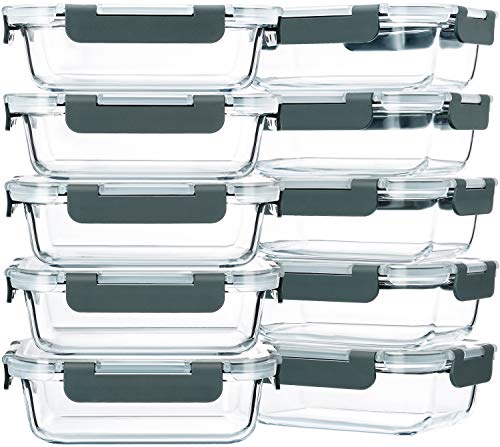
Use containers for meals that need protection and structure. Use freezer bags for flat soups, marinated ingredients, and foods that can be stacked.
| Storage option | Best use | Helpful practice |
| Rigid containers | Soups, casseroles, and complete meals | Leave headspace and check the lid seal |
| Freezer bags | Flat portions, meat, and vegetables | Press out air and freeze flat |
| Portion trays | Sauces, stock, baby portions, and small ingredients | Transfer frozen portions to labeled bags |

Label and date every frozen item
A label should answer four questions: What is it? How much is inside? When was it frozen? How will you use it?
Use freezer tape or removable labels. Write with a marker that stays readable in cold, damp conditions. Place the label where it can be seen without moving the item.
Simple label format: chicken curry | 2 portions | frozen May 8 | reheat with rice.

Follow safe freezing and thawing practices
Keep the freezer at 0°F or below. Freeze food in small portions and avoid leaving cooked food at room temperature for long periods.
Thaw food in the fridge, in cold water, or in the microwave when you will cook it right away. Do not thaw perishable food on the counter.
When in doubt, discard food with an unusual smell, leaking package, damaged seal, or uncertain storage history. A label is useful only when it is accurate.
Protect raw and cooked food
- Keep raw meat sealed on a lower shelf or in a separate bin.
- Use clean tools for cooked meal prep.
- Wash hands and surfaces before portioning.
- Reheat meals until they are hot throughout.

Use this seven-step meal prep system
- Check the inventory and choose meals that use older items first.
- Write a short shopping and cooking list.
- Cook ingredients in batches, starting with foods that take the longest.
- Cool the food in shallow portions.
- Pack each meal in a suitable container or freezer bag.
- Label, date, and record every item.
- Freeze the newest food behind older food.
This system keeps prep simple because each step has one purpose. It also makes the next cooking day easier.

Organize the freezer so meals stay easy to reach
Group food by use, not only by ingredient. A “quick lunches” zone is often more useful than a general “cooked food” zone.
Top shelf
Place ready-to-eat meals and breakfast items here.
- Lunch portions
- Breakfast foods
- Older cooked meals
Middle shelf
Store batch-cooked ingredients and family meals.
- Rice and grains
- Cooked proteins
- Casseroles
Lower shelf
Use the lower area for raw food and heavier items.
- Raw meat
- Large packages
- Stock and bulk foods
Use open bins for small bags. Keep labels facing forward. Leave a little space around packages so cold air can move.

Prevent freezer burn and protect food quality
Freezer burn happens when food loses moisture through poor packaging or long exposure to dry air. It may create gray, dry patches and a stale taste.
- Remove as much air as possible from freezer bags.
- Use a tight lid or double-wrap foods with sharp edges.
- Keep food in small, flat portions.
- Do not leave bags open while sorting the freezer.
- Keep the freezer closed and avoid frequent temperature changes.
- Rotate food so older items are used first.

Thaw and reheat frozen meals without losing quality
Move the next day’s meal from the freezer to the fridge the night before. Slow thawing helps food warm more evenly.
For a fast option, use the microwave in short bursts. Stir soups, sauces, and rice between bursts. Add a little water to dry grains when needed.
Finish meals after thawing
- Add fresh herbs, greens, or lemon after reheating.
- Keep crunchy toppings in a separate small container.
- Reheat sauces gently to reduce separation.
- Check the center of thick meals before serving.

Maintain the system each week
Freezer organization works best as a small weekly habit. Pick one day to review the inventory and move older meals to the front.
- Use one or two older items before cooking more.
- Wipe spills as soon as they freeze or soften.
- Check that labels remain readable.
- Group new items by zone.
- Update the list after every prep session.

Avoid common freezer meal prep mistakes
- Cool food before packing
- Use flat portions
- Label every package
- Rotate older meals
- Overfilling containers
- Leaving air in bags
- Freezing warm food in bulk
- Ignoring unknown dates

What the top pages do well with CTAs
The Souper Cubes guide connects advice about portioning and freezing with a relevant product path. Its strongest conversion idea is context: readers see the storage problem before seeing the product solution.
Berry Street uses an approachable educational tone. That style fits cold readers who want help first. A practical guide can earn trust before asking for a purchase.
Mess Brands aligns its organization advice with storage interest. The CTA is most useful after the reader has identified a space or access problem.
Effective patterns
- Helpful advice before the offer
- Product relevance to the section
- Short benefit-led button copy
- Native, low-pressure tone
Audience fit
- B2C home cooks
- Cold to warm prospects
- Practical quality concerns
- Limited space and time
What to improve
- Do not place unrelated offers
- Explain why a product helps
- Use one clear action per block
- Keep safety advice separate from sales copy

Freeze and organize food for meal prep FAQs and final checklist
Final freezer checklist
- Choose foods that freeze well.
- Cool and portion meals quickly.
- Use suitable containers or freezer bags.
- Remove excess air.
- Label and date every item.
- Thaw food safely in the fridge, cold water, or microwave.
- Review the inventory each week.

We earn a commission if you make a purchase, at no additional cost to you.




Share this:


Discover more from Simply Delicious
Subscribe to get the latest posts sent to your email.