

Authentic Paella Recipe: A Taste of Traditional Spanish Food


Paella is more than just a dish; it’s an experience that transports you to the sun-drenched shores of Valencia, where the air is filled with the aromas of saffron and the sounds of the sea. This authentic paella recipe captures the essence of traditional Spanish cuisine, offering a symphony of flavors and textures that dance on your palate. It’s a celebration in a pan—a vibrant mix of fresh seafood, tender chicken, and seasonal vegetables, all harmoniously combined with fragrant spices and saffron-infused rice. Each bite tells a story of heritage and love, a testament to the culinary artistry of Spain.
The Heartbeat of Spanish Culture
Origins of a Culinary Masterpiece
Originating from the region of Valencia on Spain’s eastern coast, paella is a dish that has long been the pride of the Spanish people. Its name is derived from the Latin word “patella,” which means pan, nodding to the wide, shallow vessel in which this delightful dish is traditionally cooked. The creation of paella dates back to the 18th century, when it was conceived as a humble meal for laborers who would gather whatever ingredients were at hand, typically rabbit, snails, and vegetables, to create a nourishing yet delicious meal. Over time, as trade and travel expanded, paella evolved, embracing a wider array of ingredients, such as seafood along the coastlines, turning it into the rich and diverse dish we cherish today.
A Symbol of Togetherness
Paella is more than just sustenance; it’s a communal experience. In Spain, making paella is an event, often involving family and friends who gather around the paellera (the special pan used for cooking paella) to watch and, eventually, share in the bounty. It’s a dish that brings people together, much like a culinary glue that bonds friends and family through shared tradition and flavors. Whether it’s a Sunday gathering or a festive celebration, paella is the centerpiece that transforms a meal into a memorable occasion.
The Symphony of Flavors
Ingredients That Sing
At the heart of paella is rice, specifically the short-grain varieties like Bomba or Calasparra, known for their ability to absorb liquid while retaining a firm texture. The rice acts as a blank canvas upon which the other ingredients imprint their vibrant flavors. Saffron, the golden-hued spice, imparts a distinctive aroma and color that is unmistakably paella. The use of saffron is non-negotiable; it’s the soul of the dish, elevating it to its iconic status.
Seafood, such as mussels, clams, shrimp, and sometimes squid, brings the taste of the ocean, while chunks of chicken or rabbit add heartiness. Traditional recipes might also feature chorizo, lending a smoky depth. Vegetables like bell peppers, peas, and tomatoes contribute freshness and a burst of color, making the dish not only a feast for the taste buds but also for the eyes.
The Art of Cooking Paella
Cooking paella is an art form, requiring patience and precision. It all begins with the sofrito—a blend of tomatoes, onions, and garlic sautéed in olive oil until they meld into a rich, aromatic base. This is the foundation upon which the layers of flavor are built. As the ingredients are gradually added, the key is to allow each component to shine while harmonizing with the collective whole.
The technique of not stirring the rice once the liquid is added is crucial, as it allows the formation of the cherished “socarrat,” the crispy crust that develops at the bottom of the pan. Achieving the perfect socarrat is a badge of honor for any paella chef, signifying a job well done.
Embracing the Tradition
Paella is a testament to the beauty of tradition and the importance of preserving culinary heritage. It’s a dish that invites you to slow down, savor the process, and appreciate the fusion of flavors and cultures that have shaped it over centuries. Whether you’re enjoying it at a bustling seaside restaurant in Valencia or recreating it in your own kitchen, paella invites you to partake in a piece of Spanish history with every delicious bite.
So, gather your ingredients, call your friends, and embark on a culinary journey that promises to transport you to the heart of Spain. With this authentic paella recipe, you’re not just cooking a meal—you’re crafting an experience, a memory, and a celebration of life’s simple pleasures.
Why You Love This Recipe:
This paella is a true showstopper—deeply savory, beautifully aromatic, and brimming with flavor. It’s a one-pan meal that celebrates the Mediterranean diet, balancing protein, healthy fats, and vegetables in every forkful. Whether you’re hosting a dinner party or enjoying a weekend meal, it’s a guaranteed crowd-pleaser.




Authentic Paella Recipe: A Taste of Traditional Spanish Food
Description
This authentic paella brings the vibrant flavors of Spain to your table, combining saffron-infused rice with fresh seafood and savory spices for a culinary delight.
Ingredients
Seafood and Meats
Rice and Broth
Vegetables and Aromatics
Seasonings
Garnishes
Instructions
Preparing the Ingredients
-
1- Gather and Prep Ingredients
Start by gathering all your ingredients—this will save you time and ensure everything is at your fingertips. Chop onions, garlic, and bell peppers, and slice the chorizo. Clean and debeard the mussels, if you're using them.Use fresh, high-quality seafood and vegetables for the best flavor. This is the foundation of an authentic paella!
Building the Base
-
2- Sauté the Aromatics
In a wide, shallow paella pan, heat some olive oil over medium heat. Add the chopped onions, garlic, and bell peppers, and sauté until they're soft and fragrant, about 5-7 minutes.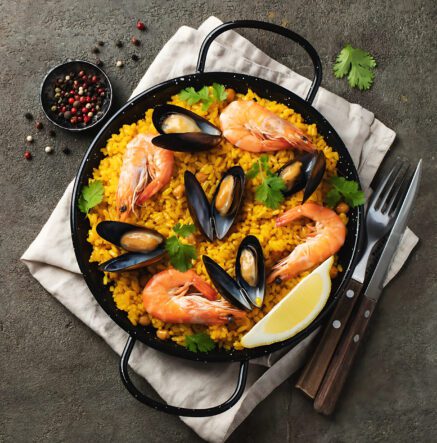 This step builds the aromatic base. Take your time to let the onions caramelize slightly.
 -
3- Cook the Chorizo
Add the sliced chorizo to the pan and cook until it's browned and releases its oils, infusing the dish with its smoky flavor.The chorizo adds a rich depth—don't rush this step!
Creating the Flavorful Mixture
-
4- Add the Tomatoes and Paprika
Stir in diced tomatoes and a generous pinch of smoked paprika. Cook until the tomatoes break down and the mixture thickens slightly.Smoked paprika is key to that authentic Spanish taste; consider it the soul of the dish. -
5- Toast the Rice
Add the bomba rice to the pan, stirring to coat each grain in the tomato mixture. Toast the rice for a minute or two.Toasting the rice ensures it absorbs all the flavors, giving your paella its characteristic depth.
Simmering to Perfection
-
6- Add the Broth
Pour in hot, saffron-infused chicken broth, and give everything a gentle stir to combine. Let it come to a gentle simmer.Infuse your broth with saffron for that iconic golden hue and subtle floral notes. -
7- Nestle the Seafood
Gently nestle shrimp, mussels, and any other seafood into the rice. Simmer without stirring until the rice is tender and the seafood is cooked through.Resist the urge to stir—this helps the rice develop a crusty bottom known as 'socarrat,' a prized aspect of paella.
Finishing Touches
-
8- Rest and Garnish
Once the liquid is absorbed and the seafood is cooked, remove the pan from the heat. Cover with a clean kitchen towel and let it rest for about 5 minutes.Resting allows the flavors to meld and the rice to finish absorbing any remaining liquid. -
9- Serve with Fresh Herbs
Sprinkle with freshly chopped parsley and lemon wedges before serving.The fresh herbs and citrus cut through the richness, adding brightness to each bite.
Nutrition Facts
Servings 4
Serving Size 1
- Amount Per Serving
- Calories 450kcal
- % Daily Value *
- Total Fat 16.3g26%
- Saturated Fat 4.5g23%
- Cholesterol 105mg35%
- Sodium 590mg25%
- Potassium 560mg16%
- Total Carbohydrate 56.7g19%
- Dietary Fiber 2.4g10%
- Sugars 4g
- Protein 27g54%
- Manganese 48 mg
- Net Carb 54.3g
* Percent Daily Values are based on a 2,000-calorie diet. Your daily value may be higher or lower depending on your calorie needs.
Note
For authentic paella, use Bomba rice, as it absorbs flavors while maintaining its texture. If unavailable, Calasparra rice is a suitable substitute. Saffron is essential for the signature golden hue and aroma; bloom it in warm broth before adding it to the dish. A wide, shallow paella pan ensures even cooking and traditional presentation. Begin by creating a sofrito with onions, garlic, and tomatoes—it forms the flavor base. Toast your spices—paprika and saffron—for depth. Allow the socarrat, the crispy rice layer at the bottom, to form by increasing the heat for the final few minutes without stirring. For seafood, choose fresh shellfish and firm fish. When using chicken or rabbit, brown the meat first for enhanced flavor. For a vegetarian version, increase the variety of beans and vegetables like artichokes and bell peppers. Consider using a combination of chicken stock and seafood stock for a richer taste. Let the paella rest for a few minutes before serving to allow the flavors to meld. Always serve with lemon wedges for a citrusy finish. Experiment with adding different proteins like chorizo or duck for a personal twist.
The Essence of Authentic Paella
Authentic paella is more than just a dish; it’s a vibrant tapestry of flavors that transports you straight to the heart of Spain. Every bite is a harmonious blend of saffron's earthy warmth, the briny depth of fresh seafood, and the subtle smokiness of paprika-infused rice. It's a dish that brings people together, creating an atmosphere of conviviality and shared joy. As you savor each spoonful, imagine the bustling Spanish markets where the freshest ingredients are gathered, and feel the sun-drenched fields of Valencia where this iconic dish was born.
Personal Reflections and Moments
For me, paella is not just a recipe; it’s a cherished memory. I recall my first encounter with this culinary masterpiece on a sun-soaked terrace in Valencia, where laughter mingled with the aroma of simmering ingredients. It’s the kind of dish that, once tasted, leaves an indelible mark on your palate and your heart. The preparation is a ritual—a dance of stirring, tasting, and adjusting—that culminates in a moment of pure satisfaction as the lid lifts and the vibrant colors and aromas are revealed.
Serving Suggestions and Variations
Serve your paella with a side of crisp green salad and a slice of rustic bread to soak up any remaining juices. For a twist, try adding chorizo for a smoky kick or artichokes for a touch of earthiness. Remember, the beauty of paella lies in its adaptability; feel free to experiment with your favorite ingredients.
Storing Leftovers and Encouragement
If you find yourself with leftovers, store them in an airtight container in the refrigerator for up to three days. Reheat gently over the stove to preserve the rice's texture. I encourage you to embrace the spirit of paella—gather your loved ones, pour a glass of robust Spanish wine, and create your own story around this classic dish. Share your experiences, ask questions, and become part of a community that celebrates the joy of cooking and the magic of shared meals.
Pin the Recipe to share with your friends and followers.

Frequently Asked Questions
Can I use a different type of rice instead of traditional paella rice?
Yes, but for the best texture and flavor, it's recommended to use short-grain rice like Bomba or Calasparra. Arborio can be a substitute.
What is the key to getting the perfect socarrat at the bottom of the paella?
The socarrat forms by letting the paella cook undisturbed on high heat for a few minutes at the end until you hear a crackling sound.
Is it possible to make a vegetarian version of traditional paella?
Absolutely! You can replace the meat and seafood with a variety of beans and vegetables like artichokes, bell peppers, and peas.
How should I serve paella to maintain its authentic taste and presentation?
Traditionally, paella is served straight from the pan, with lemon wedges on the side to squeeze over the top for added freshness.
Can paella be made ahead of time and reheated?
While it's best enjoyed fresh, you can make it ahead and reheat, though it may lose some texture. Use a low oven or stovetop to reheat.
Share this:

Discover more from Simply Delicious
Subscribe to get the latest posts sent to your email.
