


Healthy eating doesn’t mean sacrificing flavor. Many people abandon their wellness goals because they think nutritious food lacks excitement. That’s not true anymore.
The right recipes transform simple ingredients into memorable meals. These dishes prove that healthy recipes can be just as satisfying as your favorite comfort foods.
This collection features twelve recipes that deliver bold flavors without compromising nutrition. You’ll find options for every meal and craving. From quick weeknight dinner solutions to impressive weekend creations, each recipe brings something special to your table.
Never Run Out of Delicious Healthy Ideas
Join over 50,000 home cooks who receive our weekly collection of flavor-packed, healthy recipes. Every Wednesday, get five new recipes that prove healthy eating is anything but boring. Email AddressGet Free Recipes Weekly
Unsubscribe anytime. We respect your privacy.
Why Healthy Doesn’t Mean Bland
The perception that nutritious food tastes boring comes from outdated diet culture. Decades ago, healthy recipes relied heavily on steaming and boiling. These cooking methods stripped away natural flavors.
Modern cooking techniques changed everything. Roasting caramelizes vegetables and brings out their sweetness. The air fryer creates crispy textures without excess oil. These methods enhance natural flavors rather than mask them.
Seasoning makes the difference between bland and bold. Salt, herbs, and spices contain minimal calories but maximum flavor impact. A well-seasoned chicken breast rivals any restaurant dish.

Traditional Diet Food Problems
- Over-reliance on steaming and boiling
- Fear of using adequate seasoning
- Limited cooking techniques
- Repetitive ingredient selection
- Texture is often mushy or soft
Modern Healthy Cooking Advantages
- Multiple flavor-building techniques
- Strategic use of herbs and spices
- Diverse global cuisine inspiration
- Varied textures from crispy to tender
- Natural ingredients shine through
Global cuisines offer endless inspiration. Mediterranean dishes use olive oil and fresh herbs. Asian cooking employs ginger, garlic, and soy sauce. Mexican food features chilies and lime. Each tradition brings bold flavors to healthy ingredients.
The key is understanding that fat, salt, and acid work together. You don’t need excessive amounts of any single element. A drizzle of good olive oil, proper seasoning, and a squeeze of lemon can transform simple vegetables into something crave-worthy.
Building Blocks of Flavorful Healthy Cooking
Creating exciting, healthy recipes starts with understanding flavor foundations. Professional chefs use specific techniques that home cooks can easily master. These methods work with any ingredient.
Essential Flavor Techniques
Browning proteins create complex flavors through the Maillard reaction. This chemical process happens when food is exposed to high heat. The surface caramelizes and develops depth that boiling never achieves.
Layering flavors builds complexity. Start by cooking aromatics like onions and garlic in a small amount of oil. Add spices next so they bloom in the hot fat. Then incorporate your main ingredients. Each step adds another dimension.

Ingredient Selection Strategy
Protein Choices
Select proteins with natural flavor. Salmon brings omega-3s and a rich taste. Chicken thighs offer more flavor than breasts. Ground beef with 90% lean ratio provides taste without excessive fat.
- Fatty fish like salmon
- Chicken thighs over breast
- Lean ground meats
- Eggs for versatility
Vegetable Variety
Different vegetables offer unique flavors and textures. Cruciferous vegetables like cauliflower become sweet when roasted. Leafy greens like spinach add nutrition without overwhelming taste.
- Roasted root vegetables
- Caramelized cruciferous options
- Fresh leafy greens
- Colorful bell peppers
Flavor Enhancers
These ingredients pack maximum flavor with minimal calories. Fresh herbs, citrus, and quality spices elevate any dish. Keep your pantry stocked with these essentials.
- Fresh herbs and spices
- Citrus for brightness
- Quality olive oil
- Vinegars for acidity
Cooking Equipment That Matters
The right tools make healthy cooking easier and more flavorful. An air fryer creates crispy textures with minimal oil. A quality sheet pan allows for even roasting and caramelization.
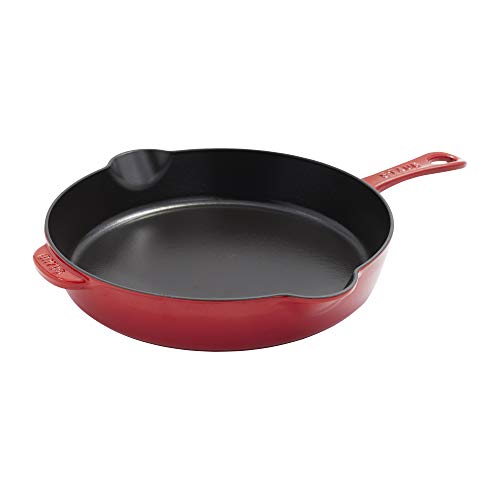
A good skillet matters more than most people realize. Cast iron retains heat beautifully for perfect searing. Non-stick pans reduce the need for excess oil. Both have their place in a healthy kitchen.

A sharp knife changes how you approach cooking. It makes prep work faster and safer. When chopping vegetables becomes easy, you’re more likely to include them in meals.
Investing in basic equipment pays dividends. These tools last for years and expand your cooking capabilities. They’re not expensive luxuries but practical necessities for consistent healthy meals.
Shop Equipment
We earn a commission if you make a purchase, at no additional cost to you.



Recipe 1: Air Fryer Chipotle Chicken Tacos
These tacos deliver bold, smoky flavor with a fraction of the typical calories. The air fryer creates perfectly cooked chicken with minimal oil. Chipotle seasoning provides heat without overwhelming the dish.

Ingredients
For the Chicken
- 1.5 pounds boneless chicken breast, cut into strips
- 2 tablespoons olive oil
- 2 teaspoons chipotle powder
- 1 teaspoon cumin
- 1 teaspoon garlic powder
- ½ teaspoon sea salt
- ¼ teaspoon black pepper
For Assembly
- 8 small corn tortillas
- 2 cups shredded cabbage
- 1 cup diced tomatoes
- ½ cup chopped cilantro
- 1 lime, cut into wedges
- Optional: Greek yogurt for topping
Preparation Instructions
- Combine chicken strips with oil and all seasonings in a large bowl. Toss until all pieces are evenly coated. Let marinate for 15 minutes at room temperature.
- Preheat your air fryer to 380°F for 3 minutes. This ensures even cooking from the start.
- Arrange chicken strips in a single layer in the air fryer basket. Don’t overcrowd them or they won’t crisp properly. Cook in batches if necessary.
- Air fry for 12 minutes, flipping halfway through. The chicken should reach an internal temperature of 165°F.
- While the chicken cooks, prepare your toppings. Shred the cabbage finely for better texture. Dice tomatoes and chop cilantro fresh.
- Warm tortillas in a dry skillet for 30 seconds per side. This makes them pliable and adds subtle char flavor.
- Slice cooked chicken into bite-sized pieces. Assemble tacos with chicken, cabbage, tomatoes, and cilantro. Squeeze lime over the top before serving.

Why This Recipe Works for Healthy Eating
The air fryer slashes cooking oil needs by 75% compared to traditional methods. You get crispy, flavorful chicken without deep frying. Each taco contains approximately 220 calories with 25 grams of protein.
Chipotle seasoning offers a complex flavor profile without adding sugar or excessive sodium. The spice blend includes peppers, cumin, and garlic that satisfy your taste buds. You won’t miss heavy cheese or sour cream.
Corn tortillas offer more fiber than flour versions. They also have a lower glycemic index, which helps maintain steady energy levels. The cabbage adds crunch and volume without many calories.
Pro Tip: Make extra seasoned chicken and store it in the refrigerator. It stays fresh for four days and works great in salads, rice bowls, or meal prep containers. The flavor actually improves overnight as seasonings penetrate deeper into the meat.

Recipe 2: Sheet Pan Lemon Herb Salmon with Roasted Vegetables
This salmon recipe delivers restaurant-quality results with minimal cleanup. Everything cooks on one sheet pan in under 25 minutes. The lemon herb combination enhances the fish’s natural richness without masking it.

Ingredients
For the Salmon
- 4 salmon fillets (6 ounces each)
- 3 tablespoons olive oil, divided
- 2 tablespoons fresh lemon juice
- 2 teaspoons dried oregano
- 1 teaspoon dried thyme
- 3 garlic cloves, minced
- Salt and pepper to taste
For the Vegetables
- 2 cups cherry tomatoes
- 2 cups green beans, trimmed
- 1 large yellow bell pepper, sliced
- 1 red onion, cut into wedges
- Fresh parsley for garnish
- Lemon wedges for serving
Preparation Instructions
- Preheat your oven to 425°F. Line a large sheet pan with parchment paper for easy cleanup.
- Arrange vegetables on the sheet pan in a single layer. Drizzle with 2 tablespoons olive oil. Season with salt and pepper. Toss to coat evenly.
- Roast vegetables alone for 10 minutes. This head start ensures they finish cooking at the same time as the fish.
- While the vegetables roast, prepare the salmon. Mix remaining olive oil, lemon juice, oregano, thyme, and minced garlic in a small bowl.
- Pat salmon fillets dry with paper towels. This helps the seasoning stick and promotes better browning.
- Remove the pan from the oven after 10 minutes. Push vegetables to the sides. Place salmon fillets in the center of the pan.
- Brush the herb mixture generously over each salmon fillet. Return pan to oven for 12-15 minutes until salmon flakes easily with a fork.
- Garnish with fresh parsley and serve with lemon wedges. The citrus brightens the entire dish.

Nutritional Benefits
Salmon provides omega-3 fatty acids that support heart and brain health. These healthy fats also help reduce inflammation throughout your body. A single serving delivers your entire daily omega-3 requirement.
The combination of protein and healthy fats keeps you satisfied for hours. You won’t experience the energy crash that comes from carb-heavy meals. This recipe contains approximately 380 calories per serving with 35 grams of protein.
Roasting vegetables at high heat caramelizes their natural sugars. The tomatoes become sweet and slightly jammy. Green beans develop a pleasant char. These flavor transformations happen without adding extra calories.
Cooking Note: Wild-caught salmon has a firmer texture and deeper flavor than farm-raised varieties. If you use frozen salmon, thaw it completely and pat it very dry before seasoning. Excess moisture prevents proper browning and dilutes the herb flavors.

Loving These Recipes? Get More Every Week
You’ve just discovered 2 of our 12 flavor-packed recipes. Imagine getting fresh ideas like these delivered to your inbox every Wednesday. Join our community of home cooks who’ve transformed their approach to healthy eating. Email Address: Send Me Weekly Recipes
Free forever. Unsubscribe with one click anytime.
Recipe 3: Cauliflower Rice Stir-Fry with Ginger Beef
This stir-fry swaps traditional rice for cauliflower without sacrificing satisfaction. The ginger beef brings bold Asian-inspired flavors. You get the texture and experience of takeout with a fraction of the carbs.

Ingredients
For the Beef
- 1 pound lean beef sirloin, thinly sliced
- 2 tablespoons low-sodium soy sauce
- 1 tablespoon fresh ginger, grated
- 2 garlic cloves, minced
- 1 tablespoon sesame oil
- ½ teaspoon red pepper flakes
For the Stir-Fry
- 1 large head of cauliflower, riced (about 4 cups)
- 1 red bell pepper, thinly sliced
- 1 cup snap peas
- 1 cup shredded carrots
- 3 green onions, sliced
- 2 tablespoons sesame seeds
- 2 tablespoons vegetable oil for cooking
Preparation Instructions
- Slice beef against the grain into thin strips. This ensures tender results even with lean cuts. Place in a bowl with soy sauce, ginger, garlic, sesame oil, and red pepper flakes. Marinate for 20 minutes.
- Prepare cauliflower rice by pulsing raw cauliflower florets in a food processor until they resemble rice grains. Alternatively, buy pre-riced cauliflower to save time.
- Heat 1 tablespoon vegetable oil in a large skillet or wok over high heat. Add the marinated beef in a single layer. Cook for 2-3 minutes without stirring to develop a nice sear.
- Flip the beef and cook another 2 minutes until just cooked through. Remove beef from the pan and set aside. Don’t overcook it or it becomes tough.
- Add the remaining oil to the same pan. Toss in bell pepper and snap peas. Stir-fry for 2 minutes until vegetables are crisp-tender.
- Add cauliflower rice and carrots. Stir-fry for 4-5 minutes until cauliflower is tender but not mushy. It should still have some texture.
- Return beef to the pan along with any accumulated juices. Toss everything together for 1 minute to combine flavors and reheat the meat.
- Remove from heat. Stir in green onions and sprinkle with sesame seeds before serving.

Why Cauliflower Rice Works
Cauliflower rice contains just 25 calories per cup compared to 200 for traditional rice. This dramatic calorie reduction lets you eat a larger, more satisfying portion. The neutral flavor absorbs whatever seasonings you use.
The texture mimics grain rice surprisingly well when cooked properly. The key is not overcooking it. Soggy cauliflower rice ruins the dish. Cook it just until tender with a slight bite remaining.
Ginger provides anti-inflammatory compounds while adding bright, spicy notes. Fresh ginger tastes significantly better than powdered versions. The extra prep time of grating it pays off in flavor.
Meal Prep Tip: This stir-fry reheats beautifully, making it perfect for weeknight dinner prep. Store in airtight containers for up to 4 days. The flavors actually meld and improve overnight. Add a splash of water when reheating to restore moisture.

Recipe 4: Mediterranean Chicken Skillet with Spinach and Tomatoes
This one-pan wonder brings Mediterranean flavors to your weeknight dinner rotation. The combination of chicken, spinach, and tomatoes creates a complete meal. Cooking everything in one skillet means easy cleanup and layers of flavor.

Ingredients
- 4 boneless chicken thighs (about 1.5 pounds)
- 2 tablespoons olive oil
- 4 garlic cloves, sliced
- 2 cups cherry tomatoes, halved
- 4 cups fresh spinach
- ½ cup kalamata olives, pitted and halved
- 2 tablespoons capers
- 1 teaspoon dried oregano
- ½ teaspoon red pepper flakes
- Salt and black pepper to taste
- Fresh basil for garnish
- Lemon wedges for serving
Preparation Instructions
- Pat chicken thighs dry and season both sides generously with salt, pepper, and oregano. Let sit at room temperature for 10 minutes before cooking.
- Heat olive oil in a large skillet over medium-high heat. When oil shimmers, add chicken thighs skin-side down if using skin-on.
- Cook chicken without moving it for 6-7 minutes until golden brown and crispy. Flip and cook another 5-6 minutes until cooked through. Remove chicken and set aside.
- In the same skillet with the flavorful drippings, add sliced garlic. Sauté for 30 seconds until fragrant but not burned.
- Add cherry tomatoes and red pepper flakes. Cook for 3-4 minutes, stirring occasionally, until tomatoes start to burst and release their juices.
- Stir in spinach by the handful, letting each addition wilt before adding more. This prevents overcrowding and ensures even cooking.
- Add olives and capers. These briny ingredients bring authentic Mediterranean flavor. Stir to combine all ingredients.
- Return chicken to the skillet, nestling it into the vegetable mixture. Spoon some of the sauce over the chicken. Cook for 2 minutes to reheat and meld flavors.
- Garnish with fresh basil and serve with lemon wedges. The bright citrus cuts through the richness perfectly.

Health Benefits of Mediterranean Ingredients
The Mediterranean diet consistently ranks as one of the world’s healthiest eating patterns. This recipe incorporates key elements that contribute to longevity and wellness.
Olive oil provides monounsaturated fats that support heart health. Unlike saturated fats, these healthy fats can actually improve cholesterol levels. The oil also helps your body absorb fat-soluble vitamins from the vegetables.
Spinach delivers iron, calcium, and vitamins A and K. One serving of this dish provides more than your daily vitamin A needs. The brief cooking time preserves most nutrients while making the greens more digestible.
Tomatoes contain lycopene, a powerful antioxidant. Cooking tomatoes actually increases lycopene availability. The combination with olive oil further enhances absorption of this beneficial compound.
Ingredient Swap: Chicken breast works if you prefer white meat, but thighs provide more flavor and stay juicier. If using breasts, reduce cooking time by 2-3 minutes to prevent drying out. You can also substitute kale for spinach if you want a heartier green vegetable.

Recipe 5: Spicy Black Bean Quinoa Bowl with Avocado
This plant-based bowl proves that meatless meals can be incredibly satisfying. The combination of quinoa and black beans creates a complete protein. Spicy seasonings and creamy avocado make every bite interesting.

Ingredients
For the Base
- 1 cup quinoa, rinsed
- 2 cups vegetable broth
- 1 can (15 oz) black beans, drained and rinsed
- 1 teaspoon cumin
- ½ teaspoon smoked paprika
- ¼ teaspoon cayenne pepper
- Salt to taste
For Toppings
- 1 ripe avocado, sliced
- 1 cup cherry tomatoes, halved
- 1 cup corn kernels (fresh or frozen)
- ½ red onion, diced
- ¼ cup fresh cilantro, chopped
- 2 limes, cut into wedges
- Optional: hot sauce for extra heat
Preparation Instructions
- Rinse quinoa thoroughly under cold water. This removes the natural coating that can taste bitter. Drain well before cooking.
- Combine quinoa and vegetable broth in a medium pot. Bring to a boil over high heat. Using broth instead of water adds significant flavor to the grain.
- Once boiling, reduce the heat to low. Cover and simmer for 15 minutes until the liquid is absorbed. Remove from heat and let sit covered for 5 minutes. Fluff with a fork.
- While quinoa cooks, prepare the black beans. Heat them in a small pot with cumin, smoked paprika, cayenne, and a pinch of salt. Warm through for 5 minutes, stirring occasionally.
- If using frozen corn, quickly sauté it in a dry pan for 2-3 minutes to add a subtle char flavor. Fresh corn can be used raw for crunch.
- Dice red onion finely and soak in cold water for 5 minutes. This removes the harsh bite while maintaining crunch. Drain before using.
- Assemble bowls by dividing quinoa among four serving dishes. Top each with seasoned black beans, tomatoes, corn, and onion.
- Slice avocado just before serving to prevent browning. Arrange slices on top of each bowl. Garnish with fresh cilantro and lime wedges.

Complete Protein Without Meat
Quinoa contains all nine essential amino acids, making it a complete protein. Most plant foods lack one or more of these crucial building blocks. Black beans complement quinoa by providing additional protein and fiber.
This combination delivers about 18 grams of protein per serving. That’s comparable to many meat-based meals. The fiber content also keeps you full for hours, preventing afternoon energy crashes.
Avocado adds healthy monounsaturated fats and makes the meal more satisfying. The creamy texture contrasts beautifully with the fluffy quinoa and firm beans. Don’t skip this ingredient even though it adds calories.
Nutritional Highlights
- 18g protein per serving
- 12g fiber for digestive health
- Rich in iron and magnesium
- Healthy fats from avocado
- Only 420 calories per bowl
Meal Prep Advantages
- Quinoa and beans last 5 days refrigerated
- Prep toppings separately for freshness
- Add avocado just before eating
- Scales easily for batch cooking
- Travels well for packed lunches
Flavor Variation: Transform this bowl by changing the spice profile. Try Mediterranean with oregano and feta, Asian with ginger and sesame, or Indian with curry powder and yogurt. The base recipe adapts to any cuisine you crave.

Recipe 6: Garlic Parmesan Zucchini Noodles with Cherry Tomatoes
Zucchini noodles offer a satisfying pasta alternative with far fewer calories. This recipe pairs them with a light garlic parmesan sauce. The result tastes indulgent while keeping your nutrition goals on track.

Ingredients
- 4 medium zucchini, spiralized into noodles
- 3 tablespoons olive oil
- 6 garlic cloves, thinly sliced
- 2 cups cherry tomatoes, halved
- ½ cup freshly grated Parmesan cheese
- ¼ cup fresh basil, chopped
- 1 teaspoon red pepper flakes
- Salt and black pepper to taste
- Lemon zest from one lemon
- Additional parmesan for serving
Preparation Instructions
- Spiralize zucchini using a spiralizer or julienne peeler. If your zucchini is very watery, sprinkle noodles lightly with salt and let them drain in a colander for 10 minutes. Pat dry before cooking.
- Heat olive oil in a large skillet over medium heat. Add sliced garlic and red pepper flakes. Cook for 1-2 minutes until garlic is fragrant and just starting to turn golden. Watch carefully to prevent burning.
- Add cherry tomatoes to the pan. Increase the heat to medium-high. Cook for 4-5 minutes, stirring occasionally, until tomatoes begin to blister and burst.
- Add zucchini noodles to the pan. Toss gently with tongs to coat in the garlic oil. Cook for only 2-3 minutes. Overcooking makes zucchini noodles mushy and watery.
- Remove pan from heat. The noodles should still have a slight crunch, similar to al dente pasta.
- Immediately add grated parmesan cheese and toss quickly. The residual heat will melt the cheese into a light coating. Don’t return to the heat or the cheese will become grainy.
- Stir in fresh basil and lemon zest. These bright flavors balance the richness of cheese and oil.
- Season with salt and black pepper to taste. Serve immediately with additional Parmesan on the side.

Why Zucchini Noodles Satisfy
Zucchini noodles contain just 20 calories per cup compared to 200 for traditional pasta. This massive reduction lets you eat a full plate without guilt. The volume fills your stomach and triggers satisfaction signals.
The texture mimics pasta surprisingly well when cooked correctly. The key is brief cooking time. You want them tender but still with a bite. Think of them as perpetually al dente.
Parmesan cheese provides umami flavor that makes dishes taste rich and satisfying. A little goes a long way because the flavor is so concentrated. Real Parmesan tastes dramatically better than pre-grated versions.
Equipment Note: A spiralizer makes the best zucchini noodles, but a julienne peeler works too. In a pinch, use a regular vegetable peeler to create wide ribbons. They work differently but still taste great. Some grocery stores sell pre-spiralized zucchini noodles if you want to save prep time.
Customization Options
This base recipe accepts countless variations. Add cooked shrimp for extra protein. Toss in white beans for a vegetarian protein boost. Wilted spinach adds nutrition without changing the flavor profile.
Sun-dried tomatoes bring intense flavor and a chewier texture than fresh tomatoes. Capers add briny pops of flavor. Pine nuts provide crunch and healthy fats.
For a creamy version, add a splash of heavy cream or Greek yogurt after removing from the heat. This transforms the dish into something similar to alfredo without excessive calories.

Recipe 7: Thai-Inspired Peanut Chicken Lettuce Wraps
These lettuce wraps deliver bold Thai flavors without the heavy carbs. The peanut sauce provides creaminess and protein. Using lettuce as the wrapper keeps things light while adding satisfying crunch.

Ingredients
For the Filling
- 1.5 pounds ground chicken breast
- 2 tablespoons vegetable oil
- 3 garlic cloves, minced
- 1 tablespoon fresh ginger, grated
- 1 red bell pepper, diced small
- 1 cup shredded carrots
- ½ cup diced water chestnuts
- 3 green onions, sliced
For the Sauce & Assembly
- ¼ cup natural peanut butter
- 2 tablespoons low-sodium soy sauce
- 1 tablespoon rice vinegar
- 1 tablespoon honey
- 1 teaspoon sesame oil
- 1 head butter lettuce, leaves separated
- Crushed peanuts for garnish
- Fresh cilantro and lime wedges
Preparation Instructions
- Make the peanut sauce first so flavors can meld. Whisk together peanut butter, soy sauce, rice vinegar, honey, and sesame oil in a small bowl. Add 2-3 tablespoons of warm water to thin to a pourable consistency.
- Heat vegetable oil in a large skillet over medium-high heat. Add ground chicken, breaking it apart with a wooden spoon. Cook for 5-6 minutes until no longer pink.
- Push chicken to the sides of the pan. Add garlic and ginger to the center. Cook for 30 seconds until fragrant, then mix into the chicken.
- Add diced bell pepper, shredded carrots, and water chestnuts. Stir-fry for 3-4 minutes until vegetables are tender-crisp. The water chestnuts provide a pleasant crunch.
- Pour half the peanut sauce over the chicken mixture. Stir to coat everything evenly. Cook for 1 more minute to let the sauce thicken slightly.
- Remove from heat and stir in green onions. These stay crisp and add a fresh onion flavor when added at the end.
- Prepare lettuce cups by carefully separating whole leaves from the head. Butter lettuce works best because leaves are pliable and cup-shaped. Rinse and pat dry.
- To serve, spoon chicken mixture into lettuce cups. Drizzle with the remaining peanut sauce. Top with crushed peanuts and cilantro. Serve lime wedges on the side for squeezing.

Nutritional Advantages
Using ground chicken breast instead of pork or beef dramatically reduces saturated fat. Each serving contains about 280 calories with 32 grams of protein. The high protein content keeps you satisfied for hours.
Peanut butter provides healthy fats and additional protein. Natural versions without added sugar work best. The small amount used creates a creamy sauce without excessive calories.
Lettuce wraps eliminate the need for tortillas or bread. This saves about 150 calories per serving. You can eat more of the flavorful filling without overconsuming calories.
Make-Ahead Strategy: The chicken filling reheats beautifully and actually tastes better the next day as flavors meld. Store filling and sauce separately in the refrigerator for up to 4 days. Assemble wraps fresh for the best texture contrast between warm filling and crisp lettuce.
Serving Suggestions
These wraps make excellent party food because guests can assemble their own. Set up a DIY station with the filling, lettuce cups, and various toppings. Include extra crushed peanuts, cilantro, lime wedges, and sriracha.
For a complete meal, serve with a side of cucumber salad. Thinly sliced cucumbers tossed with rice vinegar, a touch of honey, and sesame seeds complement the rich peanut flavors.
The filling also works great over cauliflower rice if you want a fork-and-bowl option instead of wraps. Add some sriracha mayo for extra creaminess and heat.

Recipe 8: Baked Cod with Herb Crust and Lemon
This elegant fish dish looks and tastes like restaurant fare. The herb crust adds texture and flavor to mild cod. Baking keeps the fish moist while requiring minimal attention.

Ingredients
- 4 cod fillets (6 ounces each)
- ½ cup whole wheat breadcrumbs
- ¼ cup fresh parsley, finely chopped
- 2 tablespoons fresh dill, chopped
- 2 tablespoons grated parmesan cheese
- Zest of 1 lemon
- 2 garlic cloves, minced
- 3 tablespoons olive oil
- Salt and black pepper to taste
- Lemon wedges for serving
- Fresh dill sprigs for garnish
Preparation Instructions
- Preheat oven to 400°F. Line a baking sheet with parchment paper for easy cleanup. Let the fish sit at room temperature for 10 minutes before cooking for even results.
- Combine breadcrumbs, parsley, dill, parmesan, lemon zest, and minced garlic in a medium bowl. Mix thoroughly to distribute herbs evenly.
- Add olive oil to the breadcrumb mixture. Stir until the mixture resembles wet sand and holds together when pressed. This is the key to a crust that sticks.
- Pat cod fillets completely dry with paper towels. Moisture prevents the crust from adhering. Season both sides with salt and pepper.
- Place fillets on the prepared baking sheet. Press breadcrumb mixture firmly onto the top of each fillet. Use your hands to pack it down so it doesn’t fall off during baking.
- Bake for 12-15 minutes, depending on thickness. Fish is done when it flakes easily with a fork and reaches an internal temperature of 145°F. The crust should be golden brown.
- Let rest for 2 minutes before serving. This allows juices to redistribute throughout the fillet.
- Serve with fresh lemon wedges and dill sprigs. The bright citrus enhances the delicate fish flavor.

Why Cod Works for Healthy Eating
Cod provides lean protein with almost no fat. A 6-ounce serving contains just 140 calories and 30 grams of protein. This makes it ideal for weight management while building muscle.
White fish, like cod, has a mild flavor that appeals to people who think they don’t like fish. The delicate taste pairs well with any seasoning. Even picky eaters often enjoy properly cooked cod.
The herb crust adds flavor and textural interest without deep frying. Baking with a light coating of breadcrumbs creates a satisfying crunch. You get the sensation of fried fish without the excessive oil.
Fish Selection Tips
- Look for firm, translucent flesh
- Avoid fish with brown spots
- Fresh fish smells like the ocean, not fishy
- Frozen cod works great when thawed properly
- Sustainable options include Pacific cod
Serving Pairings
- Roasted asparagus with garlic
- Steamed broccoli with lemon
- Mixed green salad with vinaigrette
- Cauliflower mash as a potato substitute
- Quinoa pilaf with herbs
Substitution Options: This recipe works with any white fish, including halibut, haddock, or tilapia. Adjust cooking time based on thickness. Thicker fillets need a few extra minutes. You can also use this herb crust on chicken breast for variety.

You’re Halfway Through These Amazing Recipes!
Eight down, four to go. Why stop at these 12 recipes when you could get fresh, healthy meal ideas delivered every week? Our subscribers never run out of exciting dinner options. Join them and transform your approach to healthy cooking. Email AddressGet Weekly Recipe Inspiration
No spam. Just delicious recipes. Unsubscribe anytime.
Recipe 9: Stuffed Bell Peppers with Turkey and Quinoa
Stuffed peppers make a complete meal in an edible bowl. This version uses lean ground turkey and protein-rich quinoa. The peppers themselves provide vitamins and a satisfying vessel for the flavorful filling.

Ingredients
For the Peppers & Filling
- 4 large bell peppers (any color)
- 1 pound lean ground turkey
- 1 cup cooked quinoa
- 1 can (14 oz) diced tomatoes, drained
- 1 small onion, diced
- 3 garlic cloves, minced
- 1 cup spinach, chopped
Seasonings & Toppings
- 1 teaspoon Italian seasoning
- 1 teaspoon smoked paprika
- ½ teaspoon cumin
- Salt and black pepper to taste
- ½ cup shredded mozzarella cheese
- 2 tablespoons olive oil
- Fresh parsley for garnish
Preparation Instructions
- Preheat oven to 375°F. Cut the tops off bell peppers and remove seeds and membranes. Save the tops to chop and add to the filling if desired.
- Bring a large pot of water to a boil. Add peppers and blanch for 3-4 minutes. This softens them slightly and reduces overall baking time. Drain and set aside.
- Heat olive oil in a large skillet over medium heat. Add diced onion and cook for 3-4 minutes until softened and translucent.
- Add ground turkey to the skillet. Break apart with a wooden spoon. Cook for 6-7 minutes until no longer pink, breaking into small crumbles as it cooks.
- Stir in minced garlic, Italian seasoning, smoked paprika, and cumin. Cook for 1 minute until fragrant. These spices transform plain turkey into something special.
- Add diced tomatoes, cooked quinoa, and chopped spinach. Stir well to combine. Cook for 3-4 minutes until spinach wilts and mixture is heated through. Season with salt and pepper.
- Arrange blanched peppers upright in a baking dish. If they don’t stand well, slice a thin piece off the bottom to create a flat base.
- Spoon turkey-quinoa mixture into each pepper, packing it down slightly. Fill generously to the top.
- Top each stuffed pepper with shredded mozzarella cheese. Cover the dish loosely with foil.
- Bake covered for 25 minutes. Remove foil and bake an additional 10 minutes until cheese is bubbly and golden. The peppers should be tender but still hold their shape.
- Let rest for 5 minutes before serving. Garnish with fresh parsley.

Nutritional Power of This Combination
Each stuffed pepper provides a complete, balanced meal. You get protein from turkey and quinoa, complex carbs from quinoa and peppers, and vegetables for vitamins and fiber.
Ground turkey contains less saturated fat than beef while providing similar protein levels. A 93% lean turkey has only 8 grams of fat per serving compared to 15-20 grams in ground beef.
Bell peppers deliver over 150% of your daily vitamin C needs. Red peppers contain even more vitamin C than oranges. They also provide vitamin A for eye health and immune function.
Meal Prep Champion: Stuffed peppers freeze exceptionally well. Prepare a double batch and freeze half before baking. When needed, bake directly from frozen, adding 15-20 extra minutes to the cooking time. You’ll have healthy dinners ready with zero effort on busy weeknights.
Customization Ideas
Swap ground turkey for lean ground beef if you prefer. Ground chicken also works well. For a vegetarian version, use extra quinoa and add black beans or lentils.
Different cheese options change the flavor profile. Feta creates Mediterranean vibes. Pepper jack adds heat. Parmesan provides sharp, salty notes.
The filling adapts to various cuisines. Mexican-inspired versions use taco seasoning, corn, and black beans. Greek versions incorporate oregano, feta, and kalamata olives. Italian versions add Italian sausage and marinara.

Recipe 10: Asian Sesame Cabbage Salad with Edamame
This crunchy salad challenges the notion that salads are boring. The Asian-inspired dressing delivers bold flavor. Edamame adds protein while cabbage provides a satisfying crunch that holds up for days.

Ingredients
For the Salad
- 4 cups shredded green cabbage
- 2 cups shredded purple cabbage
- 1 cup shelled edamame, cooked
- 1 large carrot, julienned
- 1 red bell pepper, thinly sliced
- 3 green onions, sliced
- ¼ cup fresh cilantro, chopped
- 3 tablespoons sesame seeds, toasted
For the Dressing
- 3 tablespoons rice vinegar
- 2 tablespoons low-sodium soy sauce
- 2 tablespoons sesame oil
- 1 tablespoon honey
- 1 tablespoon fresh ginger, grated
- 2 garlic cloves, minced
- 1 teaspoon sriracha (optional)
Preparation Instructions
- Toast sesame seeds in a dry skillet over medium heat for 2-3 minutes, stirring constantly until golden and fragrant. Remove from heat immediately to prevent burning. Set aside to cool.
- Prepare the dressing by whisking together rice vinegar, soy sauce, sesame oil, honey, grated ginger, minced garlic, and sriracha if using. Taste and adjust seasoning. The dressing should balance sweet, salty, and tangy.
- Shred both green and purple cabbage thinly using a sharp knife or mandoline. Thin shreds are easier to eat and absorb dressing better than thick chunks.
- Julienne the carrot into thin matchsticks. A julienne peeler makes this task much faster and creates uniform pieces.
- Combine shredded cabbage, edamame, julienned carrot, sliced bell pepper, and green onions in a large bowl. Toss to mix the colors evenly throughout.
- Pour dressing over the salad. Use tongs or your hands to massage the dressing into the cabbage. This helps soften the cabbage slightly and ensures even coating.
- Let salad sit for 10-15 minutes before serving. This resting time allows flavors to meld and cabbage to soften just enough while maintaining crunch.
- Just before serving, add fresh cilantro and toasted sesame seeds. Toss once more and serve immediately.

Why This Salad Stands Out
Cabbage provides the base because it stays crispy for days, unlike lettuce that wilts quickly. This makes it perfect for meal prep. The sturdy leaves actually improve in texture as they absorb dressing.
Edamame delivers plant-based protein that makes this salad substantial enough for a main dish. Half a cup provides 8 grams of complete protein plus fiber. It transforms the salad from a side dish into a satisfying meal.
The sesame dressing uses minimal oil while maximizing flavor. Sesame oil has such a concentrated flavor that a little creates a big impact. Rice vinegar provides acidity without the harshness of distilled vinegar.
Meal Prep Benefits
- Stays crisp for 5 days refrigerated
- Flavor improves over time
- Portable for packed lunches
- No reheating required
- Easy to portion into containers
Protein Additions
- Grilled chicken breast strips
- Pan-seared tofu cubes
- Cooked shrimp
- Hard-boiled egg slices
- Additional edamame portions
Storage Tip: Store dressing separately from the salad if making more than a day ahead. This keeps the cabbage extra crispy. Toss with dressing shortly before eating. If pre-dressed, the salad still stays acceptable for 3-4 days, just slightly softer than fresh.

Recipe 11: One-Pot Tomato Basil Chicken with White Beans
This Italian-inspired dish cooks entirely in one pot for easy cleanup. The combination of chicken, tomatoes, and white beans creates a hearty meal. Fresh basil brightens the entire dish with herbaceous notes.

Ingredients
- 4 bone-in chicken thighs, skin removed
- 2 cans (15 oz each) white beans, drained and rinsed
- 1 can (28 oz) crushed tomatoes
- 1 onion, diced
- 4 garlic cloves, minced
- 2 cups fresh spinach
- ½ cup fresh basil, chopped
- 2 tablespoons olive oil
- 1 teaspoon dried oregano
- ½ teaspoon red pepper flakes
- Salt and black pepper to taste
- Parmesan cheese for serving (optional)
Preparation Instructions
- Remove skin from chicken thighs if present. This eliminates excess fat while keeping the meat juicy. Season both sides generously with salt, pepper, and oregano.
- Heat olive oil in a large Dutch oven or deep skillet over medium-high heat. When oil shimmers, add chicken thighs.
- Sear chicken for 4-5 minutes per side until golden brown. You’re not cooking them through yet, just building flavor. Remove chicken and set aside.
- In the same pot with the flavorful drippings, add diced onion. Cook for 4 minutes until softened. Scrape up any browned bits from the bottom of the pot.
- Add minced garlic and red pepper flakes. Cook for 30 seconds until fragrant. Be careful not to burn the garlic.
- Pour in crushed tomatoes. Stir to combine with the onions and garlic. Season with a pinch of salt and pepper.
- Add white beans to the pot. Stir gently to incorporate without breaking up the beans. They should stay mostly intact.
- Nestle the seared chicken thighs into the tomato-bean mixture. Spoon some sauce over the top of each piece. The chicken should be partially submerged but not completely covered.
- Bring to a simmer, then reduce the heat to low. Cover and cook for 25-30 minutes until chicken is cooked through and tender.
- Remove lid and stir in fresh spinach. It will wilt quickly in the hot sauce. Cook uncovered for 5 more minutes to thicken the sauce slightly.
- Remove from heat and stir in fresh basil. The residual heat releases the basil’s aromatic oils without cooking away the bright flavor.
- Serve in shallow bowls with sauce and beans. Top with grated parmesan if desired.

Nutritional Benefits
White beans provide plant-based protein and fiber that work synergistically with the chicken. Each serving delivers about 40 grams of protein from this combination. The fiber keeps you full and supports digestive health.
Tomatoes cooked with a small amount of fat increase lycopene absorption. This antioxidant supports heart health and may reduce certain cancer risks. The longer cooking time further enhances lycopene availability.
Bone-in chicken thighs stay juicier than boneless cuts during longer cooking. While they take a bit longer, the result is more tender and flavorful meat. Removing the skin keeps saturated fat in check.
Leftovers Transform: This dish actually tastes better the next day as flavors meld overnight. The leftovers work wonderfully served over polenta, whole grain pasta, or cauliflower rice. You can also shred the chicken and use it as a base for meal prep bowls throughout the week.
Serving and Storage
Serve this dish with crusty whole-grain bread for soaking up the flavorful sauce. A simple arugula salad with lemon vinaigrette provides freshness and crunch.
For a lower-carb option, serve over zucchini noodles or spaghetti squash. The hearty sauce works beautifully with vegetable-based alternatives.
Store in airtight containers in the refrigerator for up to 5 days. The sauce thickens upon cooling, so add a splash of water or broth when reheating. This one-pot meal freezes well for up to 3 months.

Recipe 12: Greek Yogurt Chicken Bowl with Cucumber and Tomatoes
This Mediterranean-inspired bowl brings together marinated chicken, fresh vegetables, and tangy yogurt sauce. Everything comes together quickly when you prep components separately. The result tastes light yet completely satisfying.

Ingredients
For the Chicken
- 1.5 pounds chicken breast, cut into strips
- 3 tablespoons olive oil
- Juice of 1 lemon
- 2 teaspoons dried oregano
- 3 garlic cloves, minced
- 1 teaspoon paprika
- Salt and pepper to taste
For the Bowl & Sauce
- 3 cups cooked brown rice or quinoa
- 2 cucumbers, diced
- 2 cups cherry tomatoes, halved
- 1 red onion, thinly sliced
- 1 cup plain Greek yogurt
- 1 tablespoon fresh dill, chopped
- ½ cup crumbled feta cheese
- Kalamata olives (optional)
Preparation Instructions
- Combine chicken strips with olive oil, lemon juice, oregano, minced garlic, paprika, salt, and pepper in a bowl. Toss to coat evenly. Marinate for at least 20 minutes, or up to 4 hours refrigerated.
- While the chicken marinates, prepare the yogurt sauce. Mix Greek yogurt with fresh dill, a squeeze of lemon juice, and salt to taste. Refrigerate until ready to serve.
- Dice cucumbers into small, uniform pieces. Salt them lightly and let sit in a colander for 10 minutes. This draws out excess moisture. Pat dry before adding to bowls.
- Slice red onion very thinly. Soak in cold water for 5 minutes to mellow the sharp flavor. Drain and pat dry.
- Heat a large skillet or grill pan over medium-high heat. Remove chicken from marinade and cook for 4-5 minutes per side until golden brown and cooked through.
- Let the chicken rest for 5 minutes before slicing. This allows juices to redistribute, keeping the meat moist.
- Assemble bowls by dividing cooked brown rice or quinoa among four serving bowls. This provides the base and complex carbohydrates.
- Top each bowl with sliced chicken, diced cucumbers, cherry tomatoes, and red onion. Arrange ingredients in sections for visual appeal.
- Drizzle generously with Greek yogurt sauce. Sprinkle with crumbled feta cheese and add kalamata olives if using.
- Garnish with additional fresh dill. Serve with extra lemon wedges on the side.

Why This Bowl Works
Greek yogurt provides protein while creating a creamy sauce without heavy cream or mayo. Plain nonfat Greek yogurt contains just 100 calories per cup with 17 grams of protein. The tanginess complements Mediterranean flavors perfectly.
The combination of lean chicken breast, yogurt, and whole grains creates a balanced macronutrient profile. Each bowl provides roughly 450 calories with 40 grams of protein, 50 grams of carbs, and 10 grams of healthy fats.
Fresh vegetables add volume and crunch without many calories. Cucumbers are 95% water, making them incredibly low in calories. The vegetables also provide important vitamins and minerals.
Meal Prep Strategy
Cook all components on Sunday for quick weekday assembly. Store each element separately to maintain optimal texture and freshness.
- Chicken stays fresh for 4 days
- Rice lasts up to 5 days
- Prep vegetables day-of
- Mix the sauce fresh each time
Customization Options
Adapt this bowl to your taste preferences or what you have on hand. The formula works with many variations.
- Swap chicken for shrimp
- Use chickpeas for a vegan option
- Try cauliflower rice instead
- Add roasted red peppers
Flavor Boosts
Enhance flavor without adding significant calories by incorporating these elements.
- Extra fresh herbs
- Pickled vegetables
- Spicy harissa paste
- Sumac for tang
Restaurant Secret: The key to exceptional flavor is proper marination and letting vegetables come to room temperature before serving. Cold vegetables straight from the fridge mute flavors. Let them sit out for 15 minutes while you cook the chicken for the best taste experience.

Tips for Keeping Healthy Recipes Interesting
The biggest challenge with healthy eating isn’t the food itself. It’s the monotony that develops when you repeat the same meals. These strategies help you maintain variety without starting from scratch every time.
Rotate Your Protein Sources
Don’t eat chicken every single day. Your body benefits from varied protein sources. Different proteins provide different amino acid profiles and nutrients.

Fish delivers omega-3s that chicken lacks. Beans provide fiber and plant compounds. Eggs offer affordable complete protein. Rotating between these options prevents boredom and optimizes nutrition.
Plan your week with different proteins for each dinner. Monday might be fish, Tuesday chicken, Wednesday plant-based, Thursday beef, and Friday seafood again. This pattern creates built-in variety.
Master Spice Blends from Different Cuisines
The same basic ingredients taste completely different with varied seasonings. A chicken breast becomes Italian with oregano and basil, Mexican with cumin and chili powder, or Indian with curry spices.
Mediterranean Blend
- Oregano and basil
- Garlic and lemon
- Olive oil base
- Fresh parsley finish
Asian-Inspired Mix
- Ginger and garlic
- Soy sauce and sesame
- Rice vinegar tang
- Green onion garnish
Latin American Spices
- Cumin and paprika
- Chili powder and lime
- Cilantro and garlic
- Chipotle for smoke
Stock your pantry with these essential spice blends. They’re the easiest way to create completely different flavor profiles from the same base ingredients. Fresh herbs make everything better, too.
Use Different Cooking Methods
The cooking method dramatically impacts both flavor and texture. Roasting caramelizes and concentrates flavors. Grilling adds smokiness. Steaming preserves delicate tastes.
Invest in an air fryer if you haven’t already. It creates crispy textures without deep frying. The results rival traditional frying while using 75% less oil. This tool makes healthy cooking more appealing.

A quality cast-iron skillet produces restaurant-level searing at home. The high, even heat creates the Maillard reaction that develops deep flavors. This makes plain chicken taste like something special.
Embrace Bowl Meals
Bowl meals let you mix and match components for endless variety. Cook several proteins, grains, and vegetables on Sunday. Combine them differently throughout the week.
A single batch of quinoa becomes Mexican with black beans and salsa, Mediterranean with feta and olives, or Asian with edamame and sesame. The base stays the same while flavors change completely.
This approach also makes meal prep more interesting. You’re not eating identical meals four days straight. Each day feels like a different dinner, even though you cooked everything at once.
Game-Changing Tip: Make double batches of sauces and dressings on the weekend. Store them in small containers. During the week, these sauces transform simple proteins and vegetables into complete meals in minutes. A good sauce changes everything.
Don’t Fear Healthy Fats
Fat carries flavor compounds that make food taste better. The right fats in proper amounts make healthy recipes satisfying. Olive oil, avocado, nuts, and fatty fish all contribute to meal enjoyment.
A drizzle of quality olive oil over roasted vegetables amplifies their flavor tenfold. A handful of nuts adds satisfying crunch to salads. These additions provide nutrition while making food more appealing.
The keyword is moderation, not elimination. A tablespoon of olive oil contains 120 calories but makes vegetables taste so good you’ll actually want to eat them. That’s a worthwhile trade.
Keep a Running List of Winners
Document recipes that you and your family actually enjoy. Create a rotation of 20-30 proven recipes. This eliminates decision fatigue while ensuring you’re making food people will eat.
Rate recipes after making them. Note what worked and what didn’t. This feedback loop helps you refine your cooking and avoid repeating mistakes.
Share successful recipes with friends and family. Trade favorites. This expands your repertoire without the trial and error of testing everything yourself.
Meal Planning for Sustained Success
Consistency matters more than perfection when it comes to healthy eating. Meal planning removes daily decision-making and ensures you always have good options available. This section provides a practical system anyone can implement.
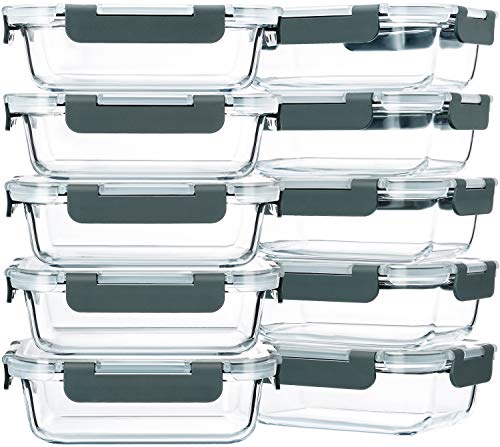
Shop Meal Prep Items
We earn a commission if you make a purchase, at no additional cost to you.




The Simple Weekly Planning Template
Dedicate 20 minutes every Sunday to plan your week. This small time investment prevents countless moments of desperation that lead to unhealthy choices.

Choose one protein, one grain, and three vegetables for the week. Buy these in quantities that last. This simplified approach reduces grocery bills while maintaining variety through different preparations.
- Prep fresh ingredients
- Cook new recipes
- Maximum energy for cooking
- Set up for later in the week
- Use leftovers creatively
- Quick assembly meals
- Transform Monday’s chicken
- Maintain momentum
- Clean out the refrigerator
- Use remaining ingredients
- Stir-fry or bowl creation
- Prepare for the weekend
Batch Cooking Strategies
Batch cooking doesn’t mean eating identical meals seven days straight. It means preparing components that combine into different dinners throughout the week.
Cook three pounds of chicken breasts on Sunday. Use them throughout the week in tacos, salads, bowls, and wraps. The protein stays the same, but the meals feel completely different.
Roast two sheet pans of vegetables at once. Mix different vegetables for variety. They reheat quickly and work as sides or main dish components.

Smart Grocery Shopping
Shop the perimeter of the grocery store first. This is where whole foods live. The center aisles contain mostly processed items that don’t support healthy eating.
Buy vegetables in season for better flavor and lower prices. Frozen vegetables work great too. They’re picked at peak ripeness and often contain more nutrients than “fresh” produce that’s been transported for days.
Don’t shop hungry. This classic advice holds true because hunger dramatically increases impulse purchases of unhealthy foods. Eat before you go or at least have a protein-rich snack.
Pantry Staples to Always Stock
- Olive oil and sesame oil
- Various vinegars for acidity
- Canned beans and tomatoes
- Quinoa and brown rice
- Spices and dried herbs
- Low-sodium soy sauce
- Natural peanut butter
- Garlic and onions
Weekly Fresh Purchases
- Protein for the week’s meals
- Variety of colorful vegetables
- Fresh herbs (basil, cilantro, parsley)
- Leafy greens for salads
- Fresh fruit for snacking
- Greek yogurt
- Eggs
- Lemons and limes
Handling Busy Weeknights
Some nights you won’t have time or energy for elaborate cooking. Plan for these nights deliberately rather than letting them derail your progress.
Keep emergency meals in the freezer. Homemade frozen burritos, soup portions, or marinated proteins ready to cook work perfectly. These rescue you from takeout temptation.
Master five genuinely quick recipes that take 20 minutes or less. When life gets hectic, these reliable options keep you on track. The recipes in this article include several that qualify.
Reality Check: You don’t need to cook every single night. Planning two or three cooking sessions per week with strategic leftovers covers most dinners. The remaining nights use simple assembly meals from prepped components. This approach is sustainable long-term, which matters more than perfection.
Your Journey to Exciting Healthy Eating Starts Now
These twelve recipes prove that healthy food doesn’t have to be boring. Each dish delivers bold flavors, satisfying textures, and proper nutrition. More importantly, they’re all practical for regular home cooking.
The difference between successful healthy eating and giving up often comes down to variety. When meals become monotonous, even the most dedicated person struggles to maintain their commitment. These recipes provide the diversity you need.

Start with two or three recipes that appeal most to you. Master those before adding more. Building competence creates confidence, which leads to consistency.
Remember that healthy eating is a practice, not a destination. Some weeks will go perfectly. Others will involve more shortcuts. Both outcomes are normal parts of the process.
The recipes you’ve discovered today give you a solid foundation. Each one uses simple techniques and accessible ingredients. You can make every single dish with standard kitchen equipment and grocery store ingredients.
Healthy recipes become even more enjoyable when you share them. Cook these meals for family and friends. Their positive reactions reinforce that nutritious food can be genuinely delicious.
Your relationship with food should be positive and sustainable. These recipes support both health goals and the actual enjoyment of eating. That balance is the key to long-term success.
Transform Your Healthy Eating Journey
You’ve just explored 12 delicious recipes that prove healthy eating is anything but boring. Imagine having access to even more recipes like these, delivered to your inbox every week. Our subscribers never experience recipe fatigue because fresh inspiration arrives regularly.
Join thousands of home cooks who’ve discovered that healthy eating can be exciting, flavorful, and completely sustainable. Get weekly recipes, meal planning tips, and cooking strategies that actually work in real life. Email Address Start Getting Weekly Recipes Free
Free forever. Unsubscribe with one click. We respect your privacy and never spam.
The tools, techniques, and recipes you need are now at your fingertips. The only remaining ingredient is action. Choose one recipe from this collection and make it this week.
Healthy cooking becomes easier with practice. Your knife skills improve. Seasoning becomes intuitive. What felt challenging initially soon becomes second nature.
These twelve healthy recipes represent just the beginning of what’s possible. Each one can be modified, adapted, and personalized to your taste. Use them as templates for creating your own signature dishes.
Make healthy eating a sustainable part of your lifestyle rather than a temporary phase. These recipes help you do exactly that by proving that nutritious food can taste absolutely incredible.
Share this:

Discover more from Simply Delicious
Subscribe to get the latest posts sent to your email.

