


Your mental health is deeply connected to what you eat. The relationship between diet and mood has gained significant attention in recent years. Research indicates that certain foods can significantly impact your brain chemistry and emotional state.
When you feel stressed or down, you might reach for comfort foods. But those choices don’t always support your mental well-being. Instead, specific nutrients can boost your mood naturally and sustainably.
This article explores ten powerful mood-boosting foods backed by science. You’ll learn why they work, what makes them beneficial, and how to add them to your daily diet easily.
Understanding the Food and Mood Connection

The connection between what you eat and how you feel isn’t just anecdotal. Your brain requires specific nutrients to function properly and produce mood-regulating chemicals.
Neurotransmitters like serotonin, dopamine, and norepinephrine control your emotions. About 95% of serotonin is actually produced in your gastrointestinal tract. This fact highlights the critical role your diet plays in mental health.
Your gut contains millions of nerve cells. The beneficial bacteria living there affect neurotransmitter production. When you eat nutritious foods, you support these bacteria and improve brain function.
Shop Supplements
We earn a commission if you make a purchase, at no additional cost to you.


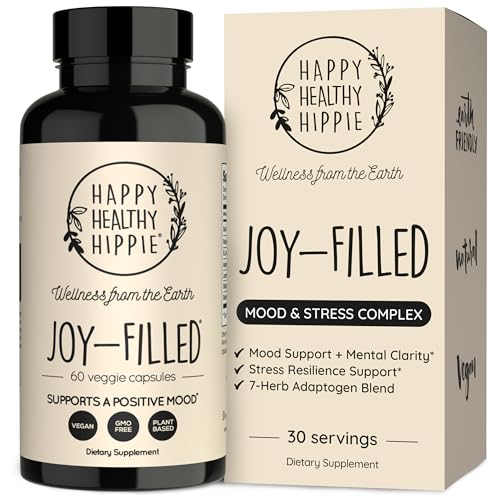

How Nutrition Affects Mental Health
Certain nutrients directly impact brain chemistry. Omega-3 fatty acids help build cell membranes in the brain. B vitamins support energy production in brain cells.
Antioxidants protect brain tissue from oxidative stress. Fiber feeds beneficial gut bacteria that communicate with your brain. Complex carbohydrates provide steady glucose for brain fuel.
The Role of Inflammation
Chronic inflammation affects mental health negatively. Poor diet choices can increase inflammatory markers throughout your body and brain.
Anti-inflammatory foods help reduce this risk. Many mood-boosting foods contain compounds that fight inflammation naturally. This effect contributes to better mental health outcomes over time.
A systematic review of multiple studies confirms that diet quality matters for mental health. People who eat more whole foods report a lower risk of depression symptoms. Those consuming processed foods show higher rates of mood disorders.
Start Your Mental Wellness Journey Today
Get weekly mood-boosting recipes, nutrition tips, and mental health insights delivered to your inbox. Join thousands improving their well-being through better nutrition.
10 Powerful Mood-Boosting Foods to Add to Your Diet
The following foods have been studied for their mental health benefits. Each contains specific nutrients that support brain function and emotional balance. Incorporating these into your regular diet can make a meaningful difference.
1. Fatty Fish: Omega-3 Powerhouse

Fatty fish like salmon, mackerel, and sardines rank among the best mood-boosting foods. These fish are excellent sources of omega-3 fatty acids, particularly EPA and DHA.
Your brain consists of nearly 60% fat. Omega-3 fatty acids form essential components of brain cell membranes. They help brain cells communicate effectively and support overall function.
Research shows omega-3 fatty acids may lower the risk of depression in adults. A systematic review found that people with higher omega-3 intake showed fewer depressive symptoms. The anti-inflammatory effects of these fatty acids play a role in this benefit.
Key Benefits: Omega-3s support neurotransmitter function, reduce brain inflammation, and may improve mood disorders. Regular consumption is linked to a lower risk of depression and anxiety.
How to Incorporate Fatty Fish
- Aim for two to three servings of fatty fish per week
- Grill or bake salmon with herbs for a simple weeknight dinner
- Add canned sardines to salads or whole-grain crackers
- Try mackerel in pasta dishes or rice bowls
- Consider fish oil supplements if you don’t eat fish regularly
2. Dark Leafy Greens: Nutrient-Dense Vegetables

Spinach, kale, Swiss chard, and other dark leafy greens provide numerous mental health benefits. These vegetables contain folate, a B vitamin crucial for brain health and mood regulation.
Folate helps your body produce serotonin, dopamine, and norepinephrine. Low folate levels have been associated with depression and poor cognitive function in several studies.
These greens also provide magnesium, which plays a role in hundreds of biochemical reactions. Magnesium deficiency is linked to increased anxiety and depression risk. Dark leafy vegetables offer a natural source of this important mineral.
Nutritional Content
Dark leafy greens are among the most nutrient-dense foods available. One cup of cooked spinach provides nearly your entire daily folate requirement.
They’re also rich in antioxidants that protect brain cells from damage. Vitamins A, C, and K support overall brain health and cognitive function.
Simple Ways to Eat More Greens
- Add spinach to smoothies for invisible nutrition
- Sauté kale with garlic as a side dish
- Mix greens into pasta, soups, or stir-fries
- Use large chard leaves as wraps
- Make salads with mixed dark greens as the base
3. Nuts and Seeds: Brain-Boosting Snacks

Nuts and seeds provide essential nutrients for mental well-being. Walnuts, almonds, pumpkin seeds, and flaxseeds offer healthy fats, protein, and minerals that support brain health.
Walnuts are particularly beneficial among nuts. They contain high levels of omega-3 fatty acids and antioxidants. Studies suggest regular walnut consumption may improve mood and cognitive function.
Seeds like pumpkin and sunflower varieties provide zinc and magnesium. These minerals support neurotransmitter production and help regulate mood. Flaxseeds offer omega-3 fatty acids similar to those found in fish.
Mental Health Benefits of Nuts
Research indicates that nuts consumption is associated with lower risk depression. The combination of healthy fats, fiber, and protein helps stabilize blood sugar levels throughout the day.
Stable blood sugar prevents mood swings and energy crashes. This effect makes nuts an ideal snack choice for maintaining emotional balance.
Serving Tip: A small handful of nuts (about one ounce) provides substantial nutrition without excessive calories. Choose raw or dry-roasted varieties without added sugar or salt.
Easy Ways to Include Nuts and Seeds
- Keep small portions of mixed nuts for snacking
- Sprinkle seeds on yogurt, oatmeal, or salads
- Blend nuts into smoothies for creaminess and nutrition
- Use nut butters on whole-grain toast or fruit
- Add crushed nuts to baked goods or coatings
4. Whole Grains: Steady Energy for Your Brain

Whole grains like oats, quinoa, brown rice, and whole wheat provide complex carbohydrates. Your brain relies primarily on glucose for fuel. Whole grains deliver this glucose steadily over time.
Unlike refined grains or sugar, whole grains don’t cause rapid blood sugar spikes and crashes. This steady energy supply helps maintain stable mood and concentration throughout the day.
Whole grains are also excellent sources of fiber. Dietary fiber supports healthy gut bacteria, which play a role in producing mood-regulating neurotransmitters. The fiber content helps you feel satisfied longer, preventing hunger-related irritability.
B Vitamins and Mental Health
Whole grains contain multiple B vitamins essential for brain function. These vitamins help convert food into energy your brain cells can use. They also support the production of neurotransmitters.
Studies show that B vitamin deficiencies may increase depression risk. Eating whole grains regularly helps ensure adequate intake of these important nutrients.
Incorporating Whole Grains Daily
- Start your day with oatmeal topped with berries and nuts
- Choose whole-grain bread instead of white bread
- Substitute brown rice or quinoa for white rice
- Try whole-grain pasta in your favorite recipes
- Snack on air-popped popcorn as a whole grain option
5. Berries: Antioxidant-Rich Fruits

Blueberries, strawberries, raspberries, and blackberries are among the most powerful mood-boosting foods. These fruits contain high concentrations of antioxidants, particularly flavonoids.
Antioxidants protect your brain cells from oxidative stress and inflammation. Both factors contribute to depression and cognitive decline. Regular berry consumption may help reduce these negative effects.
Research suggests that people who eat more fruits, particularly berries, show a lower risk depression. The antioxidants in berries cross the blood-brain barrier, where they can directly protect brain tissue.
Specific Benefits of Different Berries
Blueberries have been studied extensively for cognitive benefits. They contain anthocyanins that may improve memory and mood. Strawberries provide vitamin C, which supports stress response.
Raspberries and blackberries offer substantial fiber content. This fiber supports digestive health and stable blood sugar levels, both important for mood regulation.
Fresh or Frozen: Both fresh and frozen berries provide similar nutritional benefits. Frozen berries are often more affordable and convenient while retaining their antioxidant content.
Delicious Ways to Enjoy Berries
- Add fresh berries to morning cereal or yogurt
- Blend frozen berries into smoothies
- Top salads with berries for a sweet contrast
- Snack on berries alone or with nuts
- Use berries in homemade desserts instead of processed sweets
Get Your Free 7-Day Mood-Boosting Meal Plan
Take the guesswork out of meal planning. Our science-based meal plan includes delicious recipes featuring all 10 mood-boosting foods, complete with shopping lists and prep tips.
No email required. Instant download.
6. Fermented Foods: Gut Health Champions

Fermented foods like yogurt, kefir, kimchi, sauerkraut, and kombucha support your gut microbiome. These foods contain beneficial probiotics that influence mental health through the gut-brain connection.
Your gut bacteria produce neurotransmitters and communicate with your brain through the vagus nerve. When you eat fermented foods, you support these beneficial microbes and potentially improve your mood.
Multiple studies have explored the relationship between probiotics and mental health. Some research suggests that probiotic supplementation may reduce symptoms of depression and anxiety in certain adults.
Fermented Foods and Mental Well-Being
Regular consumption of fermented foods may lower risk depression by supporting gut health. The probiotics in these foods help reduce inflammation throughout your body, including your brain.
Fermented foods also improve nutrient absorption. When your gut functions optimally, you better absorb the vitamins and minerals needed for mental health.
Adding Fermented Foods to Your Diet
- Eat plain yogurt with active cultures for breakfast
- Add sauerkraut or kimchi to sandwiches and bowls
- Drink kefir as a smoothie base or standalone beverage
- Try kombucha as a healthy alternative to soda
- Use miso paste in soups and dressings
- Start with small amounts and gradually increase
7. Beans and Legumes: Protein and Fiber Combination

Beans, lentils, chickpeas, and other legumes provide an impressive nutrition profile for mental health. These foods combine protein, complex carbohydrates, fiber, and essential minerals.
The high fiber content in beans supports stable blood sugar levels. This stability prevents the energy crashes and mood swings associated with refined carbohydrates. Steady energy means steadier mood throughout the day.
Legumes contain folate, iron, magnesium, and zinc. These minerals play crucial roles in neurotransmitter production and brain function. Iron deficiency, in particular, is linked to fatigue and mood disturbances.
Beans for Brain Health
The protein in beans provides amino acids needed to produce neurotransmitters. Combined with complex carbs, this protein helps maintain optimal brain function over extended periods.
Research indicates that dietary patterns including regular legume consumption are associated with better mental health outcomes. The combination of nutrients works synergistically to support mood regulation.
Practical Ways to Eat More Legumes
- Add canned beans to soups, stews, and salads
- Make hummus from chickpeas for dipping vegetables
- Use lentils as a meat substitute in various dishes
- Try black beans in tacos, burritos, or rice bowls
- Prepare bean-based veggie burgers
8. Dark Chocolate: Sweet Mood Enhancer

Dark chocolate with high cocoa content offers legitimate mood-boosting benefits. This treat contains compounds that may improve your mental state while satisfying sweet cravings.
Cocoa contains flavonoids, particularly flavanols, which have antioxidant properties. These compounds can improve blood flow to the brain and protect brain cells from damage.
Dark chocolate also contains small amounts of caffeine and theobromine. These compounds provide mild stimulant effects that can enhance mood and alertness temporarily.
The Science Behind Chocolate and Mood
Studies suggest that dark chocolate consumption may reduce stress hormones. The magnesium content supports relaxation and stress management. Some research shows dark chocolate may improve mood in adults when consumed in moderation.
Dark chocolate triggers the release of endorphins, the body’s natural feel-good chemicals. It may also boost serotonin levels temporarily, contributing to improved mood.
Moderation Matters: Choose dark chocolate with at least 70% cocoa content. Limit portion sizes to about one ounce daily, as chocolate also contains sugar and calories.
Enjoying Dark Chocolate Mindfully
- Select chocolate with minimal added sugar
- Savor small pieces slowly to maximize satisfaction
- Add dark chocolate chips to the trail mix
- Melt dark chocolate for fruit dipping
- Use cocoa powder in smoothies or baking
9. Green Tea: Calming Antioxidant Beverage

Green tea provides unique mood-boosting benefits through its combination of compounds. This beverage contains L-theanine, an amino acid with calming effects on the brain.
L-theanine increases alpha brain wave activity, promoting relaxation without drowsiness. When combined with the small amount of caffeine in green tea, it creates a state of calm alertness.
Green tea is rich in antioxidants called catechins. These protect brain cells from oxidative damage and may reduce the risk of cognitive decline. Regular green tea consumption has been associated with lower depression risk in some studies.
Green Tea and Mental Clarity
The combination of L-theanine and caffeine can improve focus and mood simultaneously. This synergistic effect makes green tea particularly beneficial for mental performance without the jittery feeling from coffee alone.
Research suggests that adults who drink green tea regularly report better psychological well-being. The ritual of tea preparation and consumption may also contribute to stress reduction.
Making Green Tea Part of Your Routine
- Brew green tea at 160-180°F to avoid bitterness
- Steep for 2-3 minutes for optimal flavor
- Drink 2-3 cups daily for maximum benefits
- Try different varieties like sencha or matcha
- Avoid adding sugar to preserve health benefits
- Consider iced green tea for warm weather
10. Eggs: Complete Protein Powerhouse

Eggs are among the most nutritious mood-boosting foods available. They provide complete protein containing all essential amino acids needed for neurotransmitter production.
The yolk contains choline, a nutrient essential for brain health. Choline helps produce acetylcholine, a neurotransmitter important for mood regulation and memory. Many adults don’t consume adequate choline in their diet.
Eggs also provide vitamin D, which plays a role in mental health. Vitamin D deficiency has been linked to increased depression risk. One egg provides about 6% of your daily vitamin D needs.
Nutritional Benefits of Eggs
Beyond choline and vitamin D, eggs contain B vitamins crucial for brain function. They provide selenium, an antioxidant mineral that supports mental health. The high-quality protein helps stabilize blood sugar levels.
Research indicates that adequate protein intake, particularly from sources like eggs, supports better mood regulation. The amino acid tryptophan in eggs is a precursor to serotonin production.
Whole Egg Benefits: Don’t skip the yolk. Most of the mood-supporting nutrients are found in the yolk, including choline, vitamin D, and omega-3s in enriched eggs.
Simple Ways to Include Eggs
- Prepare hard-boiled eggs for convenient snacks
- Make veggie-packed omelets or scrambles
- Add eggs to breakfast sandwiches or burritos
- Top salads or grain bowls with poached eggs
- Use eggs in baking for added nutrition
Additional Tips for Supporting Mental Health Through Nutrition

Beyond eating specific mood-boosting foods, several dietary strategies can enhance your mental well-being. These practical tips help you build sustainable eating habits that support long-term mental health.
Maintain Blood Sugar Balance
Stable blood sugar levels are crucial for a steady mood throughout the day. Large fluctuations in blood sugar can trigger mood swings, irritability, and fatigue.
Avoid skipping meals, especially breakfast. Long gaps between eating can cause blood sugar drops that negatively affect mood. Eat regular meals and snacks spaced 3-4 hours apart.
Combine protein, healthy fats, and complex carbohydrates at each meal. This combination slows digestion and provides steady energy. Limit refined sugar and processed foods that cause rapid blood sugar spikes.
Stay Properly Hydrated
Even mild dehydration can affect your mood and cognitive function. Your brain is approximately 75% water, making adequate hydration essential for mental performance.
Aim for 8-10 glasses of water daily, adjusting for activity level and climate. Herbal tea and water-rich fruits and vegetables contribute to hydration. Limit caffeinated beverages, which can increase fluid loss.
- Keep a water bottle accessible throughout the day
- Drink water before feeling thirsty
- Add lemon or cucumber for flavor without sugar
- Monitor urine color as a hydration indicator
Limit Processed Foods and Added Sugars
Highly processed foods often lack the nutrients your brain needs. They typically contain high levels of added sugar, unhealthy fats, and artificial additives.
Research shows that diets high in processed foods are associated with increased depression risk. These foods can promote inflammation and disrupt gut health, both harmful to mental well-being.
Focus on whole, minimally processed foods most of the time. Read labels carefully and choose products with short ingredient lists. Cook meals at home when possible to control ingredients.
Consider a Mediterranean-Style Diet
Mediterranean Diet Principles
The Mediterranean diet emphasizes many mood-boosting foods discussed in this article. This eating pattern has been associated with lower risk of depression in multiple studies.
The diet prioritizes vegetables, fruits, whole grains, legumes, nuts, and olive oil. It includes moderate amounts of fish and poultry while limiting red meat.
Mental Health Benefits
A systematic review found that adherence to Mediterranean diet patterns correlates with reduced depression risk. The combination of anti-inflammatory foods and beneficial nutrients supports brain health.
This dietary approach also emphasizes social eating and mindful food enjoyment, which contribute to overall well-being beyond just nutrition.
Pay Attention to Timing and Consistency
When you eat matters as much as what you eat. Irregular eating patterns can disrupt your circadian rhythm and affect mood regulation.
Try to eat meals at consistent times each day. This regularity helps stabilize blood sugar and supports better sleep quality. Poor sleep negatively impacts mental health, creating a cycle that proper meal timing can help break.
Don’t eat large meals close to bedtime. Heavy meals interfere with sleep quality. Allow 2-3 hours between your last meal and sleep time for optimal rest.
Address Potential Nutrient Deficiencies
Certain vitamin and mineral deficiencies are strongly linked to poor mental health. If you’re experiencing persistent mood issues, consider having your healthcare provider check your nutrient levels.
Common deficiencies affecting mood include vitamin D, B vitamins (especially B12 and folate), iron, magnesium, and omega-3 fatty acids. Addressing these deficiencies through diet or supplementation may improve symptoms.
Professional Guidance: While food should be your primary source of nutrients, supplements may be appropriate in some cases. Consult a healthcare provider or registered dietitian for personalized advice.
Practice Mindful Eating
How you eat affects the mental health benefits you receive from food. Mindful eating involves paying attention to your food and eating experience without distraction.
Slow down during meals and chew thoroughly. This practice improves digestion and allows you to recognize fullness signals. Eating too quickly can lead to overeating and blood sugar imbalances.
Remove distractions like phones, television, or computers during meals. Focus on the taste, texture, and aroma of your food. This mindful approach can reduce stress and increase satisfaction.
- Take several deep breaths before eating
- Put your utensils down between bites
- Notice when you’re satisfied rather than stuffed
- Express gratitude for your meal
- Engage in pleasant conversation if eating with others
Lifestyle Factors That Enhance Nutritional Benefits

Nutrition is powerful for mental health, but it works best when combined with other healthy lifestyle habits. These factors work together to maximize the mood-boosting effects of your diet.
Regular Physical Activity
Exercise complements healthy eating for mental well-being. Physical activity increases endorphins and other mood-enhancing brain chemicals. Regular exercise has been shown to reduce depression and anxiety symptoms.
Activity also improves blood flow to the brain, enhancing the delivery of nutrients from mood-boosting foods. Aim for at least 150 minutes of moderate exercise weekly, or 75 minutes of vigorous activity.
Find activities you enjoy to maintain consistency. Walking, dancing, swimming, or cycling all provide mental health benefits. Even short activity breaks throughout the day can improve mood.
Prioritize Quality Sleep
Sleep and nutrition have a bidirectional relationship. Poor sleep affects food choices and appetite regulation. Conversely, what you eat influences sleep quality.
Aim for 7-9 hours of sleep nightly. Establish a consistent sleep schedule, going to bed and waking at the same time daily. Create a relaxing bedtime routine that doesn’t involve screens.
Certain foods support better sleep. Foods containing tryptophan, magnesium, and melatonin may improve sleep quality. Avoid large meals, caffeine, and alcohol close to bedtime.
Effective Stress Management
Chronic stress depletes nutrients and increases your body’s nutritional needs. It also triggers cravings for unhealthy comfort foods, creating a negative cycle.
Incorporate stress-reduction techniques into your daily routine. Meditation, deep breathing, yoga, or time in nature all help manage stress. These practices enhance the mental health benefits of nutritious eating.
Make time for activities you enjoy. Hobbies, social connections, and leisure activities support overall mental well-being. Balance work, responsibilities, and self-care to reduce chronic stress.
Start Your Journey to Better Mental Health Through Nutrition
The connection between diet and mental health is undeniable. The ten mood-boosting foods discussed in this article provide essential nutrients your brain needs to function optimally and regulate mood effectively.
You don’t need to overhaul your entire diet overnight. Start by adding one or two of these foods to your meals this week. Gradually incorporate more variety as these choices become habits.
Remember that nutrition is just one component of mental wellness. Combine these dietary changes with adequate sleep, regular physical activity, stress management, and strong social connections for comprehensive mental health support.
Quick Action Steps
- Add one new mood-boosting food this week
- Eat regular meals at consistent times
- Stay hydrated throughout the day
- Reduce processed foods gradually
- Practice mindful eating at one meal daily
Long-Term Success
- Focus on progress, not perfection
- Keep a food and mood journal
- Seek professional support when needed
- Be patient with yourself during changes
- Celebrate small improvements
If you’re experiencing persistent or severe depression, anxiety, or other mental health concerns, please consult a healthcare professional. While nutrition supports mental well-being, it should complement—not replace—professional mental health care when needed.
Your mental health matters. The food choices you make each day are powerful tools for supporting emotional balance and cognitive function. Start today with these evidence-based mood-boosting foods and experience the difference nutrition can make in your life.
Continue Your Wellness Journey
You’ve learned about powerful mood-boosting foods. Now take the next step. Get our comprehensive Health & wellness nutrition guide, Healthy recipes & Meal Plans, and join a community committed to better health through nutrition.
Shop Supplements
We earn a commission if you make a purchase, at no additional cost to you.
Share this:

Discover more from Simply Delicious
Subscribe to get the latest posts sent to your email.


Maintain Social Connections
Social relationships significantly impact mental health. Eating meals with others provides both nutritional and social benefits. Sharing food creates connections and makes healthy eating more enjoyable.
Join cooking classes or food-focused social groups. Share recipes and meal ideas with friends. These activities make healthy eating feel less like work and more like an enjoyable lifestyle.
If you live alone, consider meal prepping with friends or organizing regular shared dinners. The combination of nutritious food and social connection provides powerful mental health support.