

Traditional Spanish paella with seafood and chicken, showing the characteristic golden color from saffron
The Rich History of Authentic Paella
Authentic paella originated in Valencia, Spain, where farm workers cooked rice in a wide, flat pan over an open fire, adding whatever ingredients were available—typically rabbit, snails, and beans. The dish takes its name from the specialized “paellera” pan in which it’s prepared. Today, paella has become Spain’s culinary ambassador to the world, with countless variations that reflect regional preferences and the availability of ingredients.

Traditional paella cooking method over an open fire in Valencia, Spain
What makes paella truly special is the “socarrat”—the prized crispy layer of rice that forms at the bottom of the pan. This caramelized crust is considered the hallmark of a perfectly executed paella and is achieved through careful heat management in the final cooking stages.
Essential Equipment for Authentic Paella

Traditional paella pan with essential ingredients for authentic paella recipes
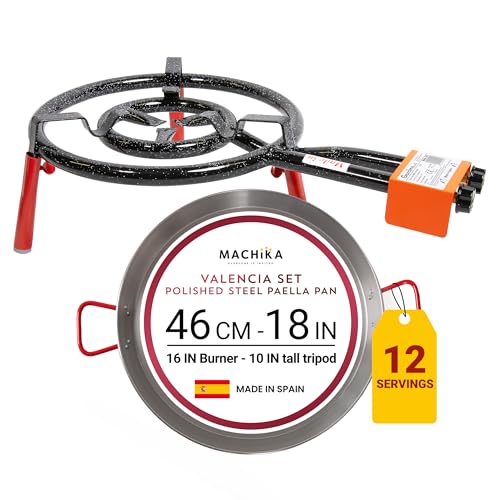
While you can adapt paella to cook in a regular skillet, a proper paella pan (paellera) makes a significant difference in achieving authentic results. These wide, shallow pans allow rice to cook in a thin layer, promoting even cooking and the development of socarrat.
The Perfect Paella Pan
A traditional carbon steel paella pan conducts heat evenly and develops the perfect socarrat. Available in various sizes, a 15-inch pan serves 4-6 people and works well for home cooking.
Beyond the pan, you’ll need a heat source that can accommodate its wide diameter. A large gas burner works well, as does a grill or even an open fire for the most traditional approach. Many home cooks use their largest stovetop burner with success, occasionally rotating the pan for even cooking.
Essential Ingredients for Authentic Paella
The Rice
The foundation of any authentic paella is the rice. Spanish short-grain varieties like Bomba or Calasparra are traditional choices because they absorb more liquid without becoming mushy. These rice varieties maintain their integrity while soaking up the flavors of the broth.
Spanish Bomba Rice
Authentic Spanish Bomba rice absorbs three times its volume in liquid without becoming sticky—perfect for creating the ideal paella texture.
Saffron
Saffron is the soul of paella, providing its distinctive golden color and unique aroma. Though expensive, a little goes a long way, and there’s really no substitute for its complex flavor. Always use high-quality saffron threads, not powder, for the best results.
Premium Spanish Saffron
High-quality Spanish saffron threads deliver the authentic color and flavor that defines traditional paella. Just a pinch transforms your dish.

Essential ingredients for authentic paella recipes: bomba rice, saffron, olive oil, and paprika
Other key ingredients include good-quality olive oil, paprika (preferably Spanish smoked paprika or “pimentón”), and a flavorful stock that forms the liquid base. The proteins and vegetables will vary depending on the style of paella you’re making.
5 Authentic Paella Recipes to Try at Home

Five authentic paella variations: Valencian, Seafood, Mixed, Vegetable, and Black Paella
Each of these paella recipes represents a different tradition or regional preference. While they share common techniques, their ingredients and flavor profiles offer unique culinary experiences. Choose the style that appeals most to your taste or occasion.
Recipe 1: Paella Valenciana (The Original)

Traditional Paella Valenciana with rabbit, chicken, and green beans
This is the original paella, born in the fields around Valencia. Traditionally made with rabbit, chicken, and local vegetables, it’s a rustic dish that celebrates the region’s agricultural heritage. The authentic version often includes snails as well, though these can be omitted for home cooking.
Ingredients
- 2 cups Spanish bomba rice
- 4 cups chicken stock
- 1 pinch saffron threads (about 20 threads)
- 1/4 cup olive oil
- 1 chicken, cut into 8 pieces (or 4 chicken thighs)
- 1 rabbit, cut into pieces (optional, can use more chicken)
- 1 large tomato, grated
- 1 large onion, finely chopped
- 4 garlic cloves, minced
- 1 cup flat green beans, cut into 2-inch pieces
- 1 cup butter beans (garrofó) or lima beans
- 1 teaspoon smoked paprika
- 2 sprigs fresh rosemary
- Salt and pepper to taste
Instructions
- Heat the stock in a separate pot and infuse with saffron threads.
- In a 15-inch paella pan, heat olive oil over medium-high heat. Season the chicken and rabbit with salt and pepper, then brown on all sides. Remove and set aside.
- In the same pan, sauté the onion until translucent. Add garlic and cook for 1 minute.
- Add the grated tomato and cook until it darkens and thickens slightly.
- Stir in the paprika quickly, then immediately add the green beans and butter beans.
- Return the meat to the pan, arranging it evenly. Pour in the saffron-infused stock and bring to a boil.
- Sprinkle the rice evenly across the pan. Do not stir after this point.
- Cook on high heat for 10 minutes, then reduce to low heat for another 10 minutes.
- Place rosemary sprigs on top and continue cooking until all liquid is absorbed and rice is tender, about 5 more minutes.
- For the socarrat, increase the heat to medium-high for the final 1-2 minutes until you hear a slight crackling sound.
- Remove from heat, cover with a cloth, and let rest for 5-10 minutes before serving.
Pro Tip: For authentic Valencian paella, the rice should be cooked “al dente” and remain separate, not creamy like risotto. Never stir the rice once the stock is added—this is crucial for proper texture and socarrat formation.
Recipe 2: Seafood Paella (Paella de Mariscos)

Seafood paella with shrimp, mussels, clams, and calamari
Popular along Spain’s Mediterranean coast, seafood paella celebrates the bounty of the sea. The briny flavors of various shellfish infuse the rice, creating a dish that tastes like ocean sunshine. This version omits land proteins entirely, focusing on seafood’s delicate flavors.
Ingredients
- 2 cups Spanish bomba rice
- 4 cups fish stock or seafood stock
- 1 pinch saffron threads
- 1/4 cup olive oil
- 1 onion, finely chopped
- 4 garlic cloves, minced
- 1 red bell pepper, sliced into strips
- 2 tomatoes, grated
- 1 teaspoon smoked paprika
- 8 large shrimp or prawns, shell-on
- 12 mussels, cleaned and debearded
- 12 clams, scrubbed
- 8 oz calamari rings
- 1/4 cup frozen peas
- Lemon wedges for serving
- Fresh parsley, chopped
- Salt to taste
Instructions
- Heat the stock in a separate pot and infuse with saffron threads.
- In a paella pan, heat olive oil over medium heat. Sauté the onion until translucent.
- Add garlic and bell pepper, cooking until softened.
- Add grated tomatoes and cook until the mixture thickens slightly.
- Stir in paprika, then immediately add the calamari rings and cook for 1 minute.
- Sprinkle rice evenly across the pan and stir briefly to coat with oil.
- Pour in the hot saffron-infused stock and bring to a boil. Season with salt.
- Cook on high heat for 10 minutes without stirring.
- Reduce the heat to low. Arrange shrimp, mussels (hinge side down), and clams on top of the rice.
- Sprinkle peas over the top and continue cooking until the shellfish open and rice is tender, about 10 more minutes.
- For socarrat, increase the heat for the final 1-2 minutes until you hear a slight crackling.
- Remove from heat, cover with a cloth, and let rest for 5 minutes.
- Garnish with fresh parsley and lemon wedges before serving.
Pro Tip: When cooking seafood paella, arrange the shellfish with their opening edges facing up so they can release their flavorful juices into the rice as they cook. Discard any shellfish that don’t open during cooking.
Recipe 3: Mixed Paella (Paella Mixta)

Mixed paella featuring both chicken and seafood with colorful vegetables
Paella mixta combines the best of land and sea, featuring both meat and seafood. This crowd-pleasing version is perhaps the most popular internationally and offers wonderful flavor contrasts. It’s perfect for gatherings where you want to impress guests with a spectacular one-pan meal.
Ingredients
- 2 cups Spanish bomba rice
- 4 cups chicken stock
- 1 pinch saffron threads
- 1/4 cup olive oil
- 4 boneless chicken thighs, cut into pieces
- 4 oz Spanish chorizo, sliced (optional)
- 1 onion, finely chopped
- 4 garlic cloves, minced
- 1 red bell pepper, sliced
- 2 tomatoes, grated
- 1 teaspoon smoked paprika
- 8 large shrimp or prawns
- 8 mussels, cleaned and debearded
- 8 clams, scrubbed
- 1/2 cup frozen peas
- 1/2 cup green beans, cut into pieces
- Lemon wedges for serving
- Fresh parsley, chopped
- Salt and pepper to taste
Instructions
- Heat the stock in a separate pot and infuse with saffron threads.
- In a paella pan, heat olive oil over medium-high heat. Season chicken with salt and pepper, then brown on all sides. If using chorizo, add it now.
- Add onion and cook until translucent. Add garlic and bell pepper, cooking until softened.
- Add grated tomatoes and cook until the mixture thickens slightly.
- Stir in paprika and green beans, cooking for 2 minutes.
- Sprinkle rice evenly across the pan and stir briefly to coat with oil.
- Pour in the hot saffron-infused stock and bring to a boil. Season with salt.
- Cook on high heat for 10 minutes without stirring.
- Reduce the heat to low. Arrange shrimp, mussels, and clams on top of the rice.
- Sprinkle peas over the top and continue cooking until the shellfish open and rice is tender, about 10 more minutes.
- For socarrat, increase the heat for the final 1-2 minutes until you hear a slight crackling.
- Remove from heat, cover with a cloth, and let rest for 5 minutes.
- Garnish with fresh parsley and lemon wedges before serving.
Pro Tip: When making mixed paella, add the seafood later in the cooking process than the meat to prevent overcooking. The seafood needs just enough time to cook through while the rice finishes.
Recipe 4: Vegetable Paella (Paella de Verduras)

Vegetable paella featuring artichokes, bell peppers, mushrooms, and beans
This plant-based version proves that paella doesn’t need meat or seafood to be delicious. Packed with seasonal vegetables and aromatic herbs, vegetable paella offers a lighter yet still satisfying experience. It’s perfect for vegetarians or as a side dish alongside other Spanish tapas.
Ingredients
- 2 cups Spanish bomba rice
- 4 cups vegetable stock
- 1 pinch saffron threads
- 1/3 cup olive oil
- 1 onion, finely chopped
- 4 garlic cloves, minced
- 1 red bell pepper, sliced
- 1 green bell pepper, sliced
- 2 tomatoes, grated
- 1 teaspoon smoked paprika
- 2 artichoke hearts, quartered (fresh or frozen)
- 1 cup green beans, cut into pieces
- 1 cup mushrooms, sliced
- 1/2 cup frozen peas
- 1/4 cup olives (green or black)
- 1 lemon, cut into wedges
- Fresh rosemary and thyme
- Fresh parsley, chopped
- Salt to taste
Instructions
- Heat the vegetable stock in a separate pot and infuse with saffron threads.
- In a paella pan, heat olive oil over medium heat. Sauté the onion until translucent.
- Add garlic and bell peppers, cooking until softened.
- Add grated tomatoes and cook until the mixture thickens slightly.
- Stir in paprika, then add green beans, artichokes, and mushrooms. Cook for 3-4 minutes.
- Sprinkle rice evenly across the pan and stir briefly to coat with oil.
- Pour in the hot saffron-infused stock and bring to a boil. Season with salt.
- Add fresh rosemary and thyme sprigs.
- Cook on high heat for 10 minutes without stirring.
- Reduce the heat to low, sprinkle peas and olives over the top, and continue cooking until the rice is tender, about 10 more minutes.
- For socarrat, increase the heat for the final 1-2 minutes until you hear a slight crackling.
- Remove from heat, cover with a cloth, and let rest for 5 minutes.
- Remove herb sprigs, garnish with fresh parsley and lemon wedges before serving.
Pro Tip: For the most flavorful vegetable paella, use a variety of seasonal vegetables with different textures. A rich, well-seasoned vegetable stock is essential since you won’t have meat or seafood adding flavor.
Recipe 5: Black Paella (Arroz Negro)

Dramatic black paella colored with squid ink, featuring calamari and shrimp
Arroz negro is a dramatic and flavorful variation where squid ink turns the rice a deep black color. Popular in coastal regions of Spain, this striking dish offers a rich, briny flavor that seafood lovers adore. It’s traditionally served with alioli (garlic mayonnaise) to complement the intense oceanic flavors.
Ingredients
- 2 cups Spanish bomba rice
- 4 cups fish stock or seafood stock
- 1 pinch saffron threads
- 3-4 packets (about 4 teaspoons) squid ink
- 1/4 cup olive oil
- 1 onion, finely chopped
- 4 garlic cloves, minced
- 1 red bell pepper, chopped
- 2 tomatoes, grated
- 1 teaspoon smoked paprika
- 1 lb calamari or squid, cleaned and cut into rings
- 8 large shrimp or prawns
- 8 clams, scrubbed
- Lemon wedges for serving
- Fresh parsley, chopped
- Salt to taste
For the Alioli:
- 1 cup mayonnaise
- 3 garlic cloves, minced to a paste
- 1 tablespoon lemon juice
- Salt to taste
Instructions
- Prepare the aioli by mixing all ingredients. Refrigerate until serving.
- Heat the stock in a separate pot and infuse with saffron threads. Stir in the squid ink until fully dissolved.
- In a paella pan, heat olive oil over medium heat. Sauté the onion until translucent.
- Add garlic and bell pepper, cooking until softened.
- Add grated tomatoes and cook until the mixture thickens slightly.
- Stir in paprika, then add the calamari rings and cook for 2 minutes.
- Sprinkle rice evenly across the pan and stir briefly to coat with oil.
- Pour in the hot squid ink stock and bring to a boil. Season with salt.
- Cook on high heat for 10 minutes without stirring.
- Reduce the heat to low. Arrange shrimp and clams on top of the rice.
- Continue cooking until clams open, and rice is tender, about 10 more minutes.
- For socarrat, increasethe heat for the final 1-2 minutes until you hear a slight crackling.
- Remove from heat, cover with a cloth, and let rest for 5 minutes.
- Garnish with fresh parsley and lemon wedges. Serve with alioli on the side.
Pro Tip: Squid ink can stain, so wear an apron when preparing this dish. The ink is available at specialty food stores or fishmongers. The alioli is essential—its creamy garlic flavor perfectly balances the intense brininess of the black rice.
Essential Paella Techniques for Perfect Results

Close-up of the prized socarrat—the caramelized crispy layer at the bottom of the paella
The No-Stir Rule
Unlike risotto, authentic paella is never stirred after the broth is added. This allows the rice to cook evenly and develop the prized socarrat at the bottom. It may feel counterintuitive, but resist the urge to stir, even if the rice appears uneven.
Creating Socarrat
The crispy bottom layer is achieved in the final minutes of cooking. Increase the heat to medium-high for 1-2 minutes until you hear a gentle crackling sound. Be careful not to burn the rice—you want caramelization, not carbonization.
The Sofrito Base
Every great paella begins with sofrito—a flavor base of sautéed onion, garlic, and tomato. Take your time with this step, allowing it to cook down until it forms a thick, fragrant paste that will infuse the entire dish with flavor.
The Resting Period
Always allow your paella to rest for 5-10 minutes after cooking, covered with a clean kitchen towel. This allows the flavors to settle and the rice to finish cooking in its residual heat, resulting in perfect texture.

Step-by-step demonstration of key paella techniques: making sofrito, adding rice, and developing socarrat
“The secret to perfect paella isn’t in fancy ingredients, but in respecting the process—a good sofrito, quality rice, proper heat management, and patience to let the socarrat develop.”
Common Paella Mistakes to Avoid
Using the Wrong Rice
Long-grain rice or risotto rice (Arborio) won’t give authentic results. Spanish bomba or Calasparra rice is essential for proper liquid absorption and texture.
Stirring the Rice
Stirring after adding the broth will release starches and create a creamy texture like risotto, rather than the distinct, separate grains paella should have.
Overcrowding the Pan
Paella rice should cook in a thin layer (ideally no more than 1/2 inch deep). Too much rice in too small a pan prevents proper cooking and socarrat formation.
Using Low-Quality Saffron
Authentic saffron makes a significant difference. Avoid saffron powder or substitutes like turmeric, which provide color but none of saffron’s complex flavor.
Cooking with Cold Stock
Always add hot stock to your paella. Cold liquid will cool the pan and lead to uneven cooking. Keep your stock simmering before adding it to the rice.
Skipping the Rest Period
The 5-10 minute rest after cooking is crucial for texture development. Covering with a cloth allows steam to escape while keeping the paella warm.
Comparison showing properly cooked paella (left) versus common mistakes: overcooked, undercooked, and wrong rice type
Serving Your Authentic Paella

Traditional Spanish paella dinner setting with sangria and tapas
In Spain, paella is traditionally served family-style, directly from the pan it was cooked in. This communal approach is part of the dish’s charm. Place the pan in the center of the table and let everyone serve themselves from their preferred section.
Traditional Accompaniments
- Lemon wedges for squeezing over the paella
- Alioli (garlic mayonnaise), especially for seafood or black paella
- Crusty bread
- Simple green salad with vinaigrette
- Spanish olives
Beverage Pairings
- Spanish Albariño or Verdejo white wine (for seafood paella)
- Spanish Tempranillo red wine (for meat paella)
- Sangria (red or white)
- Chilled Spanish beer like Estrella Damm
Serving Tip: In Spain, it’s traditional to eat paella directly from the pan, with each person eating from the section in front of them. Provide spoons rather than forks for the authentic experience!
Get More Authentic Spanish Recipes

A feast of authentic Spanish dishes, including paella, tapas, and sangria
Embrace the Art of Authentic Paella
Paella is more than just a dish—it’s a celebration of Spanish culture, community, and the joy of shared meals. Whether you choose the traditional Valencian version, a seafood variation, or any of the other authentic paella recipes we’ve explored, the process of creating this iconic dish is as rewarding as the flavors it delivers.
Don’t be intimidated by the specialized equipment or ingredients—start with what you have and gradually invest in the traditional tools as your love for paella grows. The most important elements are quality ingredients, patience with the process, and the willingness to share your creation with others.

The true spirit of paella: bringing people together around a shared meal
We’d love to see your paella creations! Share your photos and experiences with these authentic paella recipes on social media or in the comments below. ¡Buen provecho!
Ready to Make Authentic Paella?
Get started with the essential paella pan and premium Spanish ingredients for an authentic experience.



Paella Recipes


Share this:

Discover more from Simply Delicious
Subscribe to get the latest posts sent to your email.