


The journey to better health often starts with a simple question. How can you feel lighter, more energized, and finally lose those stubborn pounds? Many people turn to detox programs hoping for quick results. But the truth about detoxification and weight loss is more nuanced than social media trends suggest.
Your body already has a natural detox system. Your liver, kidneys, and digestive system work around the clock to remove toxins. However, modern lifestyles can overwhelm these organs. Poor diet, stress, lack of sleep, and environmental pollutants create extra burden. Supporting your body’s natural cleansing abilities while creating a calorie deficit can help you lose weight effectively and safely.
This comprehensive guide explores evidence-based approaches to detox your body and lose weight. You’ll discover practical methods that support your organs, foods that enhance natural detoxification, and lifestyle changes that promote sustainable weight loss. Most importantly, you’ll learn which popular detox claims are myths and which strategies actually work according to medical research.
10 Day Detox Guide & Recipes
Boost your metabolism, elevate your energy levels, and step into the healthiest, happiest version of yourself — full of vitality, confidence, and lasting well-being.
Understanding How Your Body Naturally Detoxifies

Your body performs detoxification constantly without needing special diets or supplements. Understanding this natural process helps you make informed decisions about weight loss and health. The human body has evolved sophisticated systems to neutralize and eliminate harmful substances.
The Liver: Your Primary Detox Organ
The liver is your body’s main detoxification powerhouse. This remarkable organ processes everything you consume. It converts toxins into less harmful substances that your body can eliminate. The liver performs over 500 functions, with detoxification being one of the most critical.
Your liver works in two phases. Phase one breaks down toxins using enzymes. Phase two makes these broken-down substances water-soluble so your kidneys can flush them out. When you support your liver through proper nutrition, you enhance this natural cleansing process. Foods rich in antioxidants, like berries and leafy greens, provide the nutrients your liver needs to function optimally.
The Kidneys: Natural Filtration System
Your kidneys filter about 200 quarts of blood daily. They remove waste products and excess water, creating urine. These bean-shaped organs maintain your body’s chemical balance. The kidneys also regulate blood pressure and produce hormones that affect other organs.
Staying hydrated is crucial for kidney function. Water helps these organs flush toxins efficiently. When you drink adequate water throughout the day, your kidneys work better. This improved function supports both detoxification and weight loss efforts. The kidneys can better eliminate water weight and reduce bloating when properly hydrated.
The Digestive System and Toxin Elimination
Your digestive tract plays a vital role in removing toxins from your body. The colon eliminates solid waste and toxins that your liver has processed. A healthy gut microbiome supports this process. The beneficial bacteria in your intestines help break down food and produce vitamins.
Fiber is essential for digestive health and detoxification. It binds to toxins and helps sweep them out of your system. Regular bowel movements prevent toxin reabsorption. When your digestive system works efficiently, you may experience improved energy levels and easier weight management.
Signs Your Detox Systems Need Support
- Persistent fatigue despite adequate sleep
- Frequent headaches or brain fog
- Digestive issues like bloating or constipation
- Skin problems, including acne or rashes
- Difficulty losing weight despite diet efforts
- Joint pain or inflammation

The Connection Between Detoxification and Weight Loss
The relationship between detoxification and weight loss is more complex than most detox plans suggest. Understanding this connection helps you set realistic expectations and choose effective strategies. Your body’s ability to detox your body and lose weight simultaneously depends on several factors.
How Toxin Buildup Affects Metabolism
Environmental toxins and processed foods can slow your metabolism. These substances interfere with hormone production and cellular function. When your body struggles with toxin overload, it may store fat more readily. Research shows that certain chemicals called obesogens can disrupt metabolic processes and promote weight gain.
Your liver prioritizes toxin removal over fat burning. If your liver is overwhelmed processing toxins, it has less capacity to metabolize fat efficiently. This may cause weight loss plateaus even when you maintain a calorie deficit. Supporting liver function through clean eating and adequate hydration can help restore normal metabolic function.
Inflammation and Weight Retention
Chronic inflammation makes weight loss more difficult. Toxins trigger inflammatory responses throughout your body. This inflammation can lead to insulin resistance, making your cells less responsive to blood sugar regulation. When insulin levels remain elevated, your body tends to store fat rather than burn it.
Reducing inflammation through anti-inflammatory foods and lifestyle changes supports both detoxification and weight loss. Foods rich in omega-3 fatty acids, like salmon and walnuts, help calm inflammatory processes. Managing stress and getting adequate sleep also reduce inflammation levels in your body.
Water Weight vs. Fat Loss During Detox
Many people experience rapid weight loss when starting detox plans. Most of this initial loss comes from water weight, not body fat. Reducing sodium intake and eating more whole foods decreases water retention. This creates the appearance of quick results, but sustainable fat loss takes longer.
Understanding this distinction prevents disappointment and helps you maintain realistic expectations. True fat loss occurs at a rate of one to two pounds per week when done safely. Any diet promising faster results likely causes temporary water loss or muscle loss, neither of which contributes to long-term health.
Evidence-Based Methods to Detox Your Body and Lose Weight

Effective detoxification doesn’t require extreme measures or expensive supplements. These evidence-based approaches support your body’s natural cleansing systems while promoting sustainable weight loss. Each method has scientific backing and focuses on long-term health improvement.
Intermittent Fasting for Detox and Weight Loss
Intermittent fasting gives your digestive system regular breaks. During fasting periods, your body shifts from digesting food to cellular repair and detoxification. This eating pattern has gained popularity due to its effectiveness for weight loss and metabolic health.
The most common approach involves eating within an eight-hour window and fasting for sixteen hours. Many people skip breakfast and eat between noon and 8 PM. This schedule works well because much of the fasting occurs during sleep. Your body uses this extended break to activate autophagy, a cellular cleaning process that removes damaged components.
Research shows intermittent fasting can help lose weight by naturally reducing calorie intake. When you limit your eating window, you typically consume fewer calories overall. This method also improves insulin sensitivity, which helps your body regulate blood sugar more effectively. Better blood sugar control reduces fat storage and makes weight loss easier.
Benefits of Intermittent Fasting
- No foods are completely off-limits
- Enhances cellular autophagy and detox
- Improves insulin sensitivity
- Reduces inflammation throughout the body
- Simple to follow without complex rules
- Saves time on meal preparation
Considerations and Challenges
- Initial hunger during adjustment period
- Not suitable for people with diabetes
- May affect women’s hormones differently
- Requires discipline and planning
- Can be difficult with social commitments
- Not appropriate during pregnancy
Hydration-Based Detox Strategy
Water is your body’s most important detoxification tool. Adequate hydration supports kidney function, helps flush toxins, and promotes healthy digestion. Many people confuse thirst with hunger, leading to unnecessary calorie consumption. Drinking enough water can help lose weight by reducing appetite and boosting metabolism.
Aim for at least eight glasses of water daily, though individual needs vary. Active people and those in hot climates need more. Starting your day with a large glass of water jumpstarts your metabolism and rehydrates your body after sleep. Adding lemon to your morning water provides vitamin C, which supports liver detoxification.
Herbal teas count toward your fluid intake and offer additional benefits. Green tea contains antioxidants that support liver function. Dandelion tea acts as a natural diuretic, helping reduce water retention. Ginger tea aids digestion and reduces inflammation. These beverages provide variety while supporting your detox goals.
Clean Eating Approach
Eliminating processed foods dramatically reduces your toxin exposure. Focus on whole foods that your body recognizes and can easily process. This means choosing fresh vegetables, fruits, lean proteins, whole grains, and healthy fats. These foods provide nutrients your detox organs need while naturally creating a calorie deficit that supports weight loss.
Reading ingredient labels becomes essential. Avoid products with artificial additives, preservatives, and chemicals you can’t pronounce. These substances add unnecessary burden to your liver and kidneys. Many processed foods also contain hidden sugars that spike blood sugar levels and promote fat storage.
Organic produce reduces pesticide exposure, though this isn’t always necessary for every item. Focus on buying organic versions of the “Dirty Dozen” fruits and vegetables that typically have higher pesticide residues. These include strawberries, spinach, kale, and apples. For produce with thick skins like avocados and pineapples, conventional options are generally fine.
Quick Clean Eating Checklist
Use this simple guide when grocery shopping to support detox your body and lose weight goals:
- Fill half your cart with colorful vegetables and fruits
- Choose whole grains over refined grains
- Select lean proteins like fish, chicken, and legumes
- Avoid products with more than five ingredients
- Skip items with added sugars in the first three ingredients
- Choose healthy fats from nuts, seeds, and olive oil
Exercise and Movement for Detoxification
Physical activity accelerates detoxification through multiple mechanisms. Exercise increases blood circulation, delivering more oxygen to your organs and helping them function better. Sweating eliminates some toxins through your skin. Regular movement also stimulates your lymphatic system, which helps remove cellular waste.
You don’t need intense workouts to benefit from exercise-based detoxification. Moderate activities like brisk walking, swimming, or cycling are highly effective. Aim for at least 150 minutes of moderate exercise weekly. This amount has been shown to help lose weight while supporting overall health.
Strength training provides additional benefits for both detoxification and weight loss. Building muscle increases your resting metabolic rate, meaning you burn more calories even at rest. Muscle tissue is more metabolically active than fat tissue. This makes it easier to maintain weight loss over time.

Top Foods That Support Natural Detoxification and Weight Loss
Certain foods contain compounds that actively support your body’s detoxification pathways. These nutrient-dense options also help you lose weight by providing satiety without excessive calories. Incorporating these foods into your daily diet maximizes both detox and weight loss benefits.
Cruciferous Vegetables for Liver Support
Cruciferous vegetables are detoxification powerhouses. This family includes broccoli, cauliflower, Brussels sprouts, kale, and cabbage. These vegetables contain compounds called glucosinolates that support both phases of liver detoxification. They help your liver convert toxins into forms your body can eliminate.
Spinach and other dark leafy greens are particularly beneficial. They’re rich in chlorophyll, which helps neutralize toxins and heavy metals. Spinach also provides magnesium, a mineral that supports hundreds of biochemical reactions in your body. This includes those involved in energy production and detoxification.
These vegetables are extremely low in calories but high in fiber. This combination makes them ideal for weight loss. The fiber keeps you feeling full while supporting healthy digestion. Try to include at least one serving of cruciferous vegetables in your meals daily.
Citrus Fruits and Vitamin C Power
Citrus fruits like lemon, lime, grapefruit, and oranges provide high amounts of vitamin C. This powerful antioxidant is essential for producing glutathione, your body’s master antioxidant. Glutathione plays a crucial role in liver detoxification and protects cells from oxidative damage.
Starting your day with warm lemon water has become popular for good reason. The citric acid in lemon stimulates digestive enzymes and supports liver function. This simple morning ritual helps activate your body’s natural detox processes. Vitamin C also boosts your immune system and supports collagen production.
Grapefruit contains compounds that may help with weight management. Some research suggests that eating grapefruit before meals can help lose weight by reducing insulin levels and improving metabolism. However, grapefruit can interact with certain medications, so check with your healthcare provider if you take prescription drugs.
Herbs and Spices with Detox Properties
Culinary herbs and spices do more than add flavor. Many contain concentrated compounds that support detoxification. Turmeric stands out for its active compound curcumin, which has powerful anti-inflammatory and antioxidant effects. This golden spice supports liver function and may help reduce fat accumulation.
Ginger aids digestion and helps reduce bloating. It stimulates the production of digestive enzymes and speeds up the movement of food through your digestive tract. This prevents toxin buildup in your intestines. Ginger also has thermogenic properties, meaning it slightly increases your metabolism and calorie burning.
Cilantro, parsley, and other fresh herbs contain compounds that may help remove heavy metals from your body. These herbs are easy to add to smoothies, salads, and cooked dishes. Garlic contains sulfur compounds that support liver detoxification enzymes. It also has antimicrobial properties that support gut health.
| Food Category | Top Choices | Key Benefits | Serving Suggestion |
| Leafy Greens | Spinach, kale, arugula, Swiss chard | High chlorophyll, supports liver, rich in antioxidants | 2-3 cups daily in salads or smoothies |
| Cruciferous Vegetables | Broccoli, cauliflower, Brussels sprouts | Glucosinolates enhance detox enzymes | 1 cup daily, steamed or roasted |
| Citrus Fruits | Lemon, grapefruit, oranges | Vitamin C boosts glutathione production | 1-2 fruits daily or juice in water |
| Berries | Blueberries, strawberries, raspberries | High antioxidants, low sugar compared to other fruits | 1 cup daily as snack or in meals |
| Healthy Fats | Avocado, olive oil, nuts, seeds | Supports nutrient absorption, reduces inflammation | 2-3 servings daily in balanced portions |
| Herbs & Spices | Turmeric, ginger, cilantro, garlic | Anti-inflammatory, supports liver enzymes | Use liberally in cooking and beverages |
Fiber-Rich Foods for Digestive Health
Dietary fiber is essential for eliminating toxins through your digestive system. Fiber binds to waste products and toxins in your intestines, helping remove them from your body. Without adequate fiber, toxins can be reabsorbed into your bloodstream. This creates additional work for your liver and kidneys.
Whole grains, legumes, fruits, and vegetables provide different types of fiber. Soluble fiber, found in oats and beans, helps regulate blood sugar and cholesterol. Insoluble fiber, found in wheat bran and vegetables, adds bulk to your stool and promotes regular bowel movements. Both types are important for detoxification and weight management.
Increasing fiber intake gradually prevents digestive discomfort. Aim for 25-35 grams of fiber daily from whole food sources. This amount supports optimal digestive function and helps you feel satisfied after meals. Fiber-rich foods typically require more chewing and take longer to eat, which naturally helps control portion sizes.
Creating Your Detox Meal Plan for Sustainable Weight Loss

A well-structured meal plan removes guesswork and sets you up for success. Planning ahead prevents impulsive food choices that can derail your goals. When you prepare meals that support detoxification and weight loss, you make healthy eating convenient and sustainable.
Building Balanced Detox Meals
Each meal should include a balance of nutrients that support your detox organs and provide sustained energy. Start with a foundation of non-starchy vegetables that fill half your plate. These provide fiber, antioxidants, and volume without many calories. The variety of colors ensures you get different beneficial compounds.
Add a palm-sized portion of lean protein to support muscle maintenance during weight loss. Good options include fish, chicken breast, turkey, tofu, tempeh, or legumes. Protein helps you feel satisfied and preserves muscle mass. Your body also uses more energy to digest protein compared to carbohydrates or fats.
Include a serving of healthy fats at each meal. These might be avocado slices, a drizzle of olive oil, nuts, or seeds. Fats help your body absorb fat-soluble vitamins and support hormone production. They also increase meal satisfaction, making you less likely to overeat later. A modest serving of whole grains or starchy vegetables provides energy for your activities.
Sample Detox Day Meal Structure
Breakfast Options
Start your day with meals that stabilize blood sugar and support liver function.
- Green smoothie with spinach, berries, and plant protein
- Vegetable omelet with mixed greens on the side
- Overnight oats with chia seeds and fresh fruit
- Avocado toast on whole-grain bread with lemon
Lunch Ideas
Midday meals should be substantial enough to prevent afternoon cravings.
- Large salad with grilled chicken and olive oil dressing
- Quinoa bowl with roasted vegetables and tahini
- Lentil soup with side of mixed greens
- Brown rice with steamed broccoli and salmon
Dinner Selections
Evening meals should be lighter but still satisfying and nutrient-dense.
- Grilled fish with asparagus and sweet potato
- Stir-fried vegetables with tofu and cauliflower rice
- Turkey meatballs with zucchini noodles
- Chicken breast with Brussels sprouts and quinoa
Snack Options
Smart snacks between meals prevent extreme hunger and poor food choices.
- Raw vegetables with hummus or guacamole
- Apple slices with almond butter
- Mixed nuts and berries portion
- Greek yogurt with cucumber and herbs
Meal Timing and Frequency
When you eat can be as important as what you eat for supporting detoxification and weight loss. Consistent meal times help regulate your metabolism and hormone production. Your body thrives on routine and begins anticipating meals at regular intervals.
Consider eating three balanced meals daily without snacking if you’re not following intermittent fasting. This gives your digestive system breaks between meals to focus on other functions. If you do snack, choose options with protein and fiber that won’t spike blood sugar. Avoid eating within three hours of bedtime to support better sleep and overnight detoxification.
Listen to your true hunger signals rather than eating by the clock or out of habit. Sometimes thirst masquerades as hunger. Try drinking water first when you feel hungry between meals. This simple practice often reveals that you were actually dehydrated, not truly hungry.
Essential Lifestyle Factors That Enhance Detoxification
Diet alone doesn’t determine detoxification success. Your daily habits and lifestyle choices significantly impact how well your body eliminates toxins and manages weight. These factors work synergistically with nutrition to optimize your results.
Sleep Quality and Detox Recovery
Sleep is when your body performs most of its cellular repair and detoxification. During deep sleep, your brain clears out metabolic waste through the glymphatic system. This cleaning process is crucial for cognitive function and overall health. Poor sleep disrupts this process and can lead to toxin accumulation.
Lack of adequate sleep also sabotages weight loss efforts. Sleep deprivation affects hormones that regulate hunger and fullness. When you’re tired, your body produces more ghrelin, the hunger hormone, and less leptin, the satiety hormone. This hormonal imbalance makes you crave high-calorie comfort foods and eat more than you need.
Aim for seven to nine hours of quality sleep nightly. Create a consistent bedtime routine that signals your body it’s time to wind down. Keep your bedroom cool, dark, and quiet. Avoid screens for at least an hour before bed, as blue light interferes with melatonin production. These steps improve both sleep quality and detoxification efficiency.

Stress Management and Cortisol Control
Chronic stress significantly impairs detoxification and promotes weight gain. When you’re stressed, your body releases cortisol, a hormone that triggers various physiological responses. Elevated cortisol levels over time can lead to increased belly fat storage, insulin resistance, and inflammation throughout your body.
Stress also affects your food choices and eating behaviors. Many people turn to comfort foods high in sugar and fat when stressed. These foods provide temporary relief but ultimately worsen both toxin load and weight management. Stress eating becomes a difficult cycle to break without addressing the underlying stress.
Incorporate daily stress-reduction practices into your routine. Meditation, even for just ten minutes daily, significantly reduces cortisol levels. Deep breathing exercises activate your parasympathetic nervous system, promoting relaxation and better digestion. Yoga combines movement, breathing, and mindfulness for comprehensive stress relief.
Environmental Toxin Reduction
Your living environment affects your toxin exposure more than you might realize. Common household products contain chemicals that burden your detox systems. Making simple swaps reduces this exposure and allows your body to focus on internal detoxification rather than constantly fighting environmental toxins.
Switch to natural cleaning products or make your own using vinegar, baking soda, and essential oils. These alternatives clean effectively without harsh chemicals. Choose personal care products free from parabens, phthalates, and artificial fragrances. Your skin absorbs substances applied to it, so what you put on your body matters as much as what you put in it.
Improve indoor air quality by opening windows regularly and adding houseplants that filter air. Certain plants like spider plants and peace lilies, remove common indoor pollutants. Use a water filter to reduce chlorine and other contaminants in your drinking water. These changes create a cleaner environment that supports your detoxification efforts.
Habits That Support Detox
- Seven to nine hours of quality sleep nightly
- Regular meditation or stress management practice
- Daily movement and physical activity
- Drinking adequate water throughout the day
- Eating meals at consistent times
- Using natural household and personal care products
- Spending time outdoors in nature
- Practicing mindful eating without distractions
Habits That Hinder Detox
- Chronic sleep deprivation or irregular sleep schedule
- Constant stress without relief practices
- Sedentary lifestyle with minimal movement
- Dehydration or excessive caffeine intake
- Erratic eating patterns or frequent meal skipping
- Exposure to chemical-laden products daily
- Spending all the time indoors with poor air quality
- Eating while distracted by screens or work
Evaluating Popular Cleanse Programs and Detox Diets
The wellness industry offers countless detox cleanses and programs. Understanding which approaches are safe and effective helps you make informed decisions. Many popular detox plans make bold claims that sound appealing but lack scientific support. Let’s examine common cleanses objectively.
Juice Cleanses: Benefits and Limitations
Juice cleanses involve consuming only fruit and vegetable juices for several days. Proponents claim these cleanses flood your body with nutrients while giving your digestive system a rest. While juices do provide vitamins and minerals, this approach has significant drawbacks.
Juice removes most fiber from fruits and vegetables. This fiber is essential for digestive health and toxin elimination. Without it, you miss a key component that supports natural detoxification. Juices also concentrate natural sugars, which can spike blood sugar levels. These spikes may cause energy crashes and increased hunger.
Most people lose weight during juice cleanses, but this loss comes primarily from water and glycogen depletion, not fat loss. The weight typically returns quickly once normal eating resumes. Juice cleanses also lack adequate protein, which can lead to muscle loss. This makes future weight management more difficult as muscle tissue supports metabolism.
Colon Cleanses and Detox Teas
Colon cleanses claim to remove built-up waste from your intestines. However, your colon naturally eliminates waste without intervention. Products marketed for colon cleansing often contain laxatives or diuretics that cause temporary water loss and frequent bowel movements.
These products can disrupt your body’s natural balance. Overuse may cause dehydration, electrolyte imbalances, and dependence on laxatives for normal bowel function. Your colon contains beneficial bacteria that support digestion and immune function. Harsh cleanses can disturb this delicate ecosystem.
Detox teas often contain senna or other herbal laxatives. While they may cause temporary weight loss through water elimination, this isn’t true fat loss. Some detox teas have been associated with liver damage when used excessively. The risks outweigh any potential benefits from these products.
Restrictive Elimination Diets
Some detox plans eliminate entire food groups for extended periods. While temporary elimination can help identify food sensitivities, long-term restriction without medical necessity may cause nutritional deficiencies. Your body needs a variety of nutrients from different food groups to function optimally.
Extremely low-calorie detox diets slow your metabolism as your body tries to conserve energy. This adaptive response makes weight loss harder over time. When you resume normal eating, you may gain back more weight than you lost. This cycle of restriction and regain is harmful both physically and psychologically.
Some elimination diets remove all carbohydrates or fats, but your body needs both macronutrients. Carbohydrates fuel your brain and muscles. Healthy fats support hormone production, nutrient absorption, and cellular function. Balanced nutrition always proves more effective than extreme restriction.
Red Flags of Unsafe Detox Programs
Avoid detox plans that exhibit these warning signs:
- Promise rapid weight loss exceeding two pounds per week
- Require purchasing expensive proprietary supplements or products
- Eliminate multiple food groups for extended periods
- Recommend extremely low calorie intake below 1200 calories daily
- Make unsubstantiated health claims without scientific evidence
- Suggest that detoxing can cure serious medical conditions
- Discourage consulting with healthcare professionals
Understanding Detox Supplements and Their Role

The supplement industry promotes various products claiming to enhance detoxification. While some supplements can support your body’s natural processes, they’re not magic solutions. Understanding which supplements have evidence behind them helps you make smart choices without wasting money on ineffective products.
Milk Thistle for Liver Support
Milk thistle contains silymarin, a compound that protects liver cells from damage. Research suggests it may help regenerate liver tissue and support liver function. This herb has been used medicinally for thousands of years, primarily for liver-related conditions.
Studies show milk thistle may benefit people with liver damage from alcohol or certain medications. However, evidence for its use in healthy individuals for general detoxification is limited. If you have existing liver concerns, milk thistle might offer support under medical supervision. But it won’t compensate for poor dietary choices or excessive alcohol consumption.
Quality matters significantly with herbal supplements. Look for standardized extracts that guarantee silymarin content. Consult your healthcare provider before starting milk thistle, especially if you take medications. Some herbs interact with prescription drugs, potentially reducing their effectiveness or causing side effects.
Probiotics for Gut Health
Probiotics are beneficial bacteria that support digestive health and immune function. Your gut microbiome plays a crucial role in processing nutrients and eliminating toxins. When this bacterial balance is disrupted, it can affect your overall health and ability to help lose weight.
Probiotic supplements may help restore healthy gut bacteria after antibiotic use or during digestive issues. Different strains serve different purposes. Lactobacillus and Bifidobacterium species are most commonly studied and widely available. These bacteria produce short-chain fatty acids that support colon health and reduce inflammation.
Fermented foods provide natural probiotics along with other beneficial nutrients. Yogurt, kefir, sauerkraut, kimchi, and kombucha all contain live cultures. Getting probiotics from food sources offers advantages over supplements, including better survival of bacteria through stomach acid and additional nutrients that support bacterial growth.
Fiber Supplements vs. Whole Food Fiber
Fiber supplements like psyllium husk can help increase your daily fiber intake if you struggle to get enough from food. These supplements support regular bowel movements and can help you feel fuller, potentially reducing calorie intake. They bind to toxins in your digestive tract, assisting with elimination.
However, fiber from whole foods provides advantages that supplements can’t match. Whole foods contain various fiber types along with vitamins, minerals, and phytonutrients. These components work together synergistically. The chewing required for whole foods also promotes satiety and better digestion.
If you do use fiber supplements, increase your intake gradually to prevent digestive discomfort. Always take them with plenty of water to prevent constipation. The goal should be transitioning to adequate fiber from food sources over time rather than relying on supplements long-term.
Get Your 10-Day Detox Guide & Recipes
Ready to stop guessing and start seeing real results? Download our comprehensive Weight Loss and Detox guide. Boost your metabolism, elevate your energy levels, and step into the healthiest, happiest version of yourself — full of vitality, confidence, and lasting well-being.
Detox Considerations for Specific Health Conditions
Certain medical conditions require modified approaches to detoxification and weight loss. What works for healthy individuals may cause harm to those with specific health issues. Always consult healthcare professionals before starting any detox program if you have underlying health conditions.
Diabetes and Blood Sugar Management
People with diabetes must carefully manage their approach to detoxifying their bodies and losing weight. Blood sugar control is paramount. Many popular detox diets drastically change carbohydrate intake, which directly affects blood sugar levels. These sudden changes can cause dangerous highs or lows in blood glucose.
Juice cleanses are particularly risky for those with diabetes. The concentrated fruit sugars can spike blood sugar dramatically. Even vegetable juices affect blood glucose. Anyone taking insulin or diabetes medications needs to coordinate dietary changes with their healthcare provider to adjust medication dosages appropriately.
A safer approach for people with diabetes involves gradual, sustainable changes. Focus on reducing processed foods and added sugars while maintaining consistent carbohydrate amounts at each meal. This strategy supports blood sugar stability while still promoting weight loss and reducing toxin exposure. Regular blood sugar monitoring becomes even more important during any dietary changes.
Thyroid Conditions and Metabolism
Thyroid disorders affect metabolism and weight management significantly. Hypothyroidism slows metabolism, making weight loss more challenging. Some detox recommendations, like extreme calorie restriction or specific food elimination, can worsen thyroid function.
Certain foods and supplements interact with thyroid medication. Soy, high-fiber supplements, and some herbs can reduce medication absorption. People with thyroid conditions should take their medication on an empty stomach and wait before consuming these items. Timing matters for maintaining stable thyroid hormone levels.
Adequate iodine and selenium are essential for thyroid health, but too much can also cause problems. Before adding supplements, have your levels checked through blood work. Focus on supporting overall health through balanced nutrition rather than aggressive detox protocols that might stress your thyroid further.
Kidney Disease and Detox Safety
Your kidneys are the primary detoxification organs. When they’re not functioning properly, extreme detox measures become dangerous. High-protein diets, common in some weight loss plans, put extra strain on compromised kidneys. Certain herbs and supplements marketed for detox can also damage kidney tissue.
People with kidney disease need to monitor their intake of potassium, phosphorus, and protein carefully. Many foods promoted in detox plans, like spinach, nuts, and beans, are high in these nutrients. While these foods benefit healthy individuals, they may cause dangerous accumulations in people with kidney problems.
A kidney-friendly approach to weight loss exists but requires professional guidance. A renal dietitian can create meal plans that support weight loss while protecting kidney function. Never attempt popular detox cleanses if you have any level of kidney disease without explicit approval from your nephrologist.
Can I detox if I have high blood pressure?
Yes, but with modifications. Focus on reducing sodium intake, increasing your intake of potassium-rich foods, and avoiding cleanses that cause rapid fluid shifts. Dramatic weight loss or extreme calorie restriction can affect blood pressure medication needs. Monitor your blood pressure regularly and work with your doctor to adjust medications as needed during weight loss.
Is detoxing safe during pregnancy or breastfeeding?
No. Pregnancy and breastfeeding are not appropriate times for detox programs or weight loss efforts. Restrictive diets can deprive developing babies of essential nutrients. Some toxins released during rapid weight loss can transfer to breast milk. Focus on eating nutritious whole foods and maintaining a healthy weight rather than actively trying to lose weight during these periods.
What if I’m taking prescription medications?
Always inform your healthcare provider before starting any detox program. Many foods, herbs, and supplements interact with medications. Grapefruit, for example, affects numerous drugs. Changes in diet composition can alter how your body absorbs and processes medications, potentially making them more or less effective. Your doctor may need to adjust dosages or the timing of medications.
Detox Myths vs. Scientific Facts
Misinformation about detoxification spreads quickly through social media and wellness marketing. Separating myths from facts helps you make evidence-based decisions about your health. Let’s address common misconceptions that may cause confusion or lead to ineffective practices.
Myth: You Need Special Products to Detox
Fact: Your body has built-in detoxification systems that work continuously. Your liver, kidneys, lungs, and skin eliminate toxins without requiring special products. While certain foods and habits support these organs, no supplement or product is necessary for basic detoxification. Companies profit from convincing people their bodies can’t function properly without purchased interventions.
The idea that toxins accumulate and require purging through special cleanses lacks scientific support. Your body doesn’t store toxins indefinitely waiting for a cleanse to remove them. Dangerous substances are continuously processed and eliminated through your natural detox pathways. Supporting these systems through healthy lifestyle choices is effective and free.
Myth: Detox Programs Cause Permanent Weight Loss
Fact: Weight loss from short-term detox programs is primarily water weight and glycogen depletion. True fat loss requires a sustained calorie deficit over time. When you resume normal eating after a restrictive cleanse, the weight typically returns quickly. This cycle of loss and regain can actually make long-term weight management more difficult.
Sustainable weight loss happens gradually through lasting lifestyle changes, not quick fixes. Extreme diets may cause initial motivation from rapid results, but they don’t teach sustainable eating patterns. Learning to make healthier food choices consistently proves more effective than periodic intense cleanses followed by a return to old habits.
Myth: Sweating Removes Significant Toxins
Fact: While sweat does contain trace amounts of some toxins, the quantities are minimal compared to what your kidneys and liver eliminate. Sweat primarily consists of water and electrolytes. The belief that you can “sweat out” toxins through saunas or hot yoga is largely exaggerated.
Exercise remains valuable for detoxification, but not primarily through sweating. Physical activity supports detoxification by improving circulation, stimulating lymphatic drainage, and supporting overall organ function. These mechanisms matter more than the actual sweat produced. Adequate hydration after sweating is important for kidney function and toxin elimination through urine.
Common Detox Myths
- Lemon water in the morning “flushes” your liver
- Foot pads can draw toxins out through your skin
- You need to cleanse your colon regularly
- Detox diets can cure diseases like cancer
- Apple cider vinegar burns fat when consumed
- You can target toxin removal from specific organs
- Feeling sick during a cleanse means it’s working
- Longer cleanses provide better results

Myth: Organic Food Makes Detox Unnecessary
Fact: While organic produce reduces pesticide exposure, it doesn’t eliminate all toxins from your diet or environment. Organic foods can still contain natural toxins, and your body encounters pollutants from many sources beyond food. Air pollution, water contaminants, and household products all contribute to toxin exposure.
Choosing organic is beneficial when possible, especially for foods with the highest pesticide residues. However, eating conventional produce is still healthier than avoiding fruits and vegetables altogether due to cost concerns. The benefits of consuming various plant foods outweigh the risks from pesticide residues in conventional options.
Monitoring Your Detox and Weight Loss Progress

Tracking your progress provides motivation and helps you identify what works for your body. However, the scale doesn’t tell the complete story. Multiple metrics give you a more accurate picture of your health improvements as you work to detox your body and lose weight.
Beyond the Scale: Meaningful Progress Indicators
Body weight fluctuates daily due to water retention, food in your digestive system, and hormonal changes. These normal variations can be discouraging if you focus solely on the number. Weighing yourself no more than once weekly, at the same time of day, provides more useful information than daily weigh-ins.
Body measurements often reveal progress the scale misses. Measure your waist, hips, chest, and thighs monthly. As you lose fat and potentially gain muscle, these measurements may change even when weight stays the same. How your clothes fit provides practical feedback about body composition changes.
Energy levels, sleep quality, and digestive function are important indicators of improved health. Keep a simple journal noting these factors daily. Many people report feeling more energetic and sleeping better within the first week of supporting their natural detoxification systems through better nutrition and lifestyle habits.
Tracking Dietary Patterns and Habits
Food journaling increases awareness of your eating patterns. You don’t need to count every calorie, but recording what you eat helps identify habits that may cause issues. Many people discover they eat more processed foods or consume larger portions than they realized before tracking.
Note your hunger and fullness levels at meals. This awareness helps you distinguish between physical hunger and emotional eating. Over time, you’ll become better at eating when truly hungry and stopping when satisfied rather than stuffed. This natural regulation supports sustainable weight management.
Track your water intake to ensure adequate hydration. Many smartphone apps simplify this process with reminder notifications. Proper hydration supports all detoxification processes and often helps reduce unnecessary snacking when thirst is mistaken for hunger.
Physical Performance and Fitness Improvements
Improvements in physical capabilities indicate better overall health. Can you walk farther, climb stairs more easily, or exercise longer than when you started? These functional improvements matter more for quality of life than the number on a scale. Document your fitness progress to recognize achievements.
Blood work provides objective data about your internal health. Markers like blood sugar, cholesterol, liver enzymes, and inflammation indicators show how your body responds to lifestyle changes. Request blood work before starting your health improvements and again after three to six months to see measurable changes.
Blood pressure and resting heart rate often improve with weight loss and better nutrition. If you have a home blood pressure monitor, checking these vitals weekly can reveal cardiovascular improvements. These changes indicate reduced disease risk and improved overall health beyond just weight loss.
| Progress Metric | Measurement Frequency | What It Indicates | Healthy Range/Goal |
| Body Weight | Weekly, same day and time | Overall weight changes including water, muscle, and fat | 0.5 to 2 pounds loss per week |
| Waist Circumference | Every 2-4 weeks | Visceral fat reduction and health risk | Under 35 inches (women), 40 inches (men) |
| Energy Levels | Daily journal entries | Overall health, sleep quality, nutrient status | Sustained energy throughout the day |
| Sleep Quality | Daily tracking | Recovery, hormonal balance, and stress levels | 7-9 hours, feeling rested upon waking |
| Digestive Function | Daily awareness | Gut health, fiber intake, hydration | Regular bowel movements without discomfort |
| Blood Pressure | Weekly | Cardiovascular health improvements | Below 120/80 mmHg |
| Fasting Blood Sugar | Every 3-6 months via blood work | Metabolic health, diabetes risk | 70-99 mg/dL |
Creating a Sustainable Long-Term Lifestyle
The goal isn’t just to detox your body and lose weight temporarily. Lasting health requires sustainable habits you can maintain for life. Quick fixes and extreme measures eventually end, often leading back to old patterns. Building a lifestyle that naturally supports detoxification and healthy weight creates permanent results.
Transitioning from Detox to Maintenance
Once you reach your weight goal, you may wonder how to maintain your results. The transition from active weight loss to maintenance doesn’t mean returning to old eating habits. Instead, you slightly increase your food intake to match your energy needs without creating a calorie surplus.
Continue prioritizing whole foods and limiting processed items. The eating patterns that helped you lose weight should largely remain your normal way of eating. You might allow more flexibility for special occasions or favorite treats in moderation. But your baseline diet should continue supporting your detoxification systems and health.
Many people find success with the 80/20 approach. Eating nutrient-dense whole foods 80% of the time allows for 20% flexibility with less optimal choices. This balance prevents feelings of deprivation while maintaining the health benefits you’ve achieved. Rigid perfection isn’t necessary or sustainable for most people long-term.
Dealing with Setbacks and Plateaus
Weight loss plateaus are normal. Your body adapts to changes, and progress isn’t always linear. When the scale stops moving for several weeks despite continued efforts, reassess your approach rather than giving up. Small adjustments often break through plateaus.
Sometimes plateaus indicate it’s time to change your exercise routine or reassess portion sizes. Your calorie needs decrease as you lose weight, so eating amounts that created a deficit initially might now equal maintenance. Making minor modifications usually restarts progress without drastic measures.
Setbacks will happen. You might have a week of poor food choices, miss workouts, or regain a few pounds. These temporary situations don’t erase your overall progress. What matters is getting back to healthy habits quickly rather than allowing one bad week to become a permanent return to old patterns.
Building a Support System
Long-term success is easier with support from others. Share your health goals with family and friends who can encourage your efforts. Consider joining a community of people with similar health interests. Online groups, local fitness classes, or nutrition-focused meetups provide accountability and motivation.
Working with professionals can provide expert guidance tailored to your situation. Registered dietitians help create personalized meal plans. Personal trainers design exercise programs for your fitness level. Health coaches offer accountability and behavior change support. These investments in professional help often accelerate your progress and prevent costly mistakes.
Teaching others about healthy living reinforces your own knowledge and commitment. When you help a friend or family member improve their health, you strengthen your dedication to these principles. Sharing recipes, exercising together, or simply discussing your journey creates mutual support that benefits everyone involved.

Weekly Planning
Set aside time each week to plan meals, shop for groceries, and prepare healthy options. This preparation prevents last-minute poor food choices when you’re hungry and tired.

Community Connection
Join groups or classes that align with your health goals. Regular interaction with like-minded people provides motivation, accountability, and shared learning experiences.

Professional Guidance
Work with qualified health professionals who can provide personalized advice based on your unique situation, health history, and goals. Expert guidance prevents common mistakes and accelerates results.
Track Your Progress Effectively
Ready to stop guessing and start seeing real results? Download our comprehensive Weight Loss and Detox Tracking Template to monitor your daily water intake, exercise, and sleep quality. See patterns that help you optimize your results.
Important Safety Guidelines and Precautions
While supporting your body’s natural detoxification and pursuing weight loss, safety must remain the top priority. Certain practices can cause harm despite being marketed as healthy. Understanding warning signs and contraindications helps you avoid dangerous situations.
Recognizing Warning Signs of Unsafe Practices
Your body sends signals when something isn’t right. Severe fatigue, dizziness, headaches, or nausea that persists beyond the first few days of dietary changes suggests problems. While mild adjustment symptoms might occur when changing your diet, intense or prolonged symptoms indicate your approach is too extreme.
Rapid heart rate, chest pain, severe abdominal pain, or changes in mental status require immediate medical attention. These symptoms can indicate dangerous electrolyte imbalances or other serious issues. Never ignore concerning symptoms in pursuit of faster weight loss results.
Hair loss, brittle nails, constant coldness, and menstrual irregularities in women often signal inadequate nutrition. These changes indicate your body isn’t getting sufficient calories or essential nutrients. Such symptoms mean you need to adjust your approach immediately before causing lasting damage.
When to Stop and Seek Medical Help
Discontinue any detox or weight loss program and consult a healthcare provider if you experience:
- Severe weakness or inability to perform daily activities
- Persistent vomiting or diarrhea lasting more than 24 hours
- Chest pain, irregular heartbeat, or difficulty breathing
- Severe abdominal pain or cramping
- Signs of dehydration including dark urine and extreme thirst
- Fainting episodes or severe dizziness
- Mood changes including severe depression or anxiety
- Numbness, tingling, or muscle weakness
Special Populations Who Should Avoid Detox Diets
Certain groups should not attempt detox cleanses or extreme weight loss methods. Pregnant and breastfeeding women need adequate nutrition for fetal development and milk production. Restrictive diets during these times can harm both mother and baby. Focus on eating nutritious whole foods rather than any form of cleansing.
Children and teenagers are still growing and developing. Their nutritional needs differ significantly from adults. Restrictive diets during these crucial years can interfere with normal development, affect growth patterns, and establish unhealthy relationships with food. Any weight concerns in young people should be addressed with pediatric guidance.
Elderly individuals often have increased nutritional needs and may take multiple medications. Extreme dietary changes can affect medication effectiveness and cause dangerous nutrient deficiencies. Older adults need careful, gradual approaches to any dietary modifications under medical supervision.

10 Days Detox Guide & Recipes
Boost your metabolism, elevate your energy levels, and step into the healthiest, happiest version of yourself — full of vitality, confidence, and lasting well-being.
Medication and Supplement Interactions
Many herbs and supplements interact with prescription medications. St. John’s Wort affects numerous drugs, including antidepressants and birth control. Green tea extract in high doses can interact with blood thinners. Even seemingly harmless supplements can cause serious problems when combined with certain medications.
Always inform your healthcare provider about every supplement you take, including vitamins, herbs, and protein powders. Bring bottles to appointments so your doctor can verify ingredients. Some supplements contain unlisted ingredients that may cause interactions or side effects.
Grapefruit and grapefruit juice affect many medications by altering how your body metabolizes them. This can make medications more potent or less effective, both of which create problems. If you take regular medications, check whether grapefruit is contraindicated before including it in your detox plan.
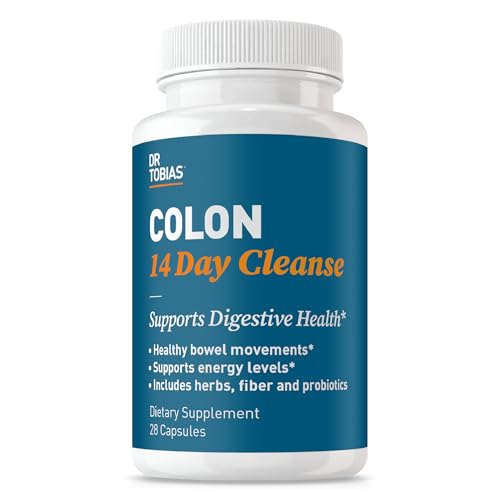
Shop Detox Supplement
We earn a commission if you make a purchase, at no additional cost to you.




Your Path Forward to Sustainable Health

Learning how to detox your body and lose weight effectively requires understanding that your body already possesses remarkable cleansing abilities. Rather than seeking quick fixes or extreme measures, the most effective approach involves supporting your natural detoxification systems through sustainable lifestyle choices.
Your liver, kidneys, digestive system, and other organs work continuously to eliminate toxins. By providing your body with nutrient-dense whole foods, adequate hydration, regular physical activity, quality sleep, and stress management, you optimize these natural processes. This comprehensive approach not only supports detoxification but also creates conditions favorable for healthy, sustainable weight loss.
Remember that genuine progress takes time. The weight didn’t accumulate overnight, and it won’t disappear instantly. Gradual changes of one to two pounds per week represent healthy, sustainable fat loss that’s more likely to stay off long-term. Quick results from extreme cleanses typically represent temporary water loss that returns quickly once normal eating resumes.
Focus on building habits you can maintain for life rather than following temporary diets. Choose activities you enjoy and foods you find satisfying. Create a lifestyle that naturally supports your health goals without feeling like constant deprivation or struggle. When healthy choices become your normal way of living, maintaining results becomes effortless.
Listen to your body throughout this journey. Pay attention to how different foods and habits make you feel. What works perfectly for someone else might not suit you. Personalizing your approach based on your individual responses, preferences, and circumstances leads to the best outcomes. Be patient with yourself and celebrate non-scale victories like improved energy, better sleep, and enhanced overall well-being.
If you feel overwhelmed or unsure where to start, seeking guidance from qualified healthcare professionals provides valuable support. Registered dietitians, certified health coaches, and medical doctors can offer personalized advice based on your specific situation. Professional guidance helps you avoid common pitfalls and accelerates your progress safely.
Your health is your most valuable asset. Investing time and effort into supporting your body’s natural functions through evidence-based practices pays dividends in improved quality of life, increased longevity, and reduced disease risk. Start with small, manageable changes today, and build momentum over time. Every positive choice moves you closer to your goals.
The journey to better health is exactly that—a journey, not a destination. There will be challenges along the way, but each obstacle overcome builds resilience and knowledge. Your commitment to supporting your body’s natural detoxification abilities and maintaining a healthy weight reflects self-care and respect for the remarkable machine that carries you through life.
Share this:

Discover more from Simply Delicious
Subscribe to get the latest posts sent to your email.

