


Starting a vegetable garden opens up a world of fresh produce right outside your door. The design you choose shapes how well your plants grow and how much you enjoy tending your garden. Whether you have acres of space or just a small patio, the right vegetable garden layout makes all the difference.
These ten vegetable garden design ideas bring together practical growing methods with beautiful aesthetics. Each approach addresses common challenges like limited space, poor soil, and maximizing harvest potential. You’ll find options that work for beginners taking their first steps and experienced gardeners looking to refresh their outdoor spaces.
The designs ahead focus on real-world applications. They include specific plant spacing recommendations, seasonal planting strategies, and ways to extend your growing season. From traditional row gardens to innovative vertical systems, each idea provides a foundation you can adapt to your unique situation.
Shop Garden Essentials
We earn a commission if you make a purchase, at no additional cost to you.


Start Planning Your Dream Garden Today
Download our free vegetable garden planning template with customizable layouts, spacing guides, and seasonal planting schedules. Perfect for both beginners and experienced gardeners.
Raised Bed Garden Layout for Maximum Productivity
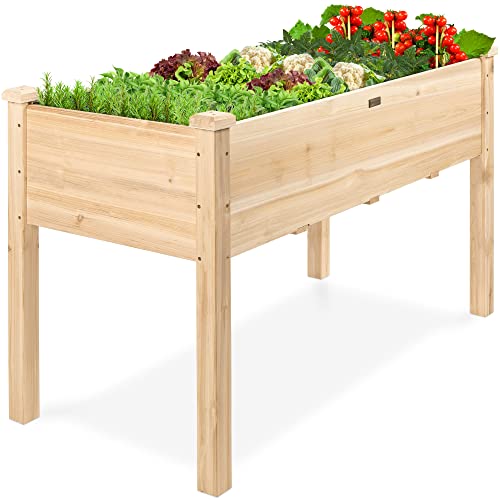
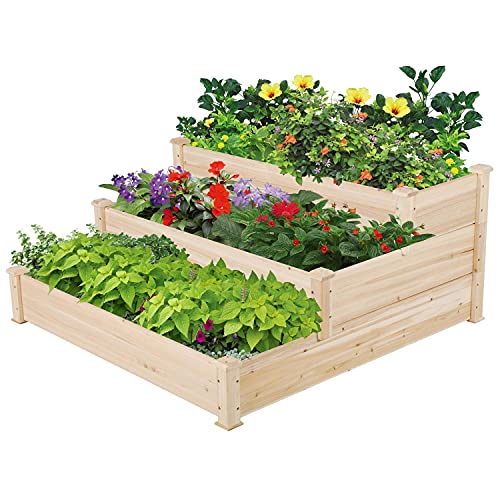
Raised beds transform challenging growing conditions into productive garden space. These elevated structures provide you with complete control over soil quality, while improving drainage and extending your growing season. The contained design makes managing plants much easier than traditional in-ground gardens.

Optimal Raised Bed Dimensions and Spacing
The standard raised bed measures four feet wide and eight feet long. This width lets you reach the center from either side without stepping on the soil. Length can vary based on available space, but eight feet provides a good growing area without becoming unwieldy.
Height matters for both plants and gardeners. Beds between ten and twelve inches deep work well for most vegetables. Deeper beds of eighteen to twenty-four inches benefit root crops like carrots and potatoes. Taller beds also reduce bending, making garden work easier on your back.
Leave at least two feet between beds for comfortable movement. Three feet works better if you use a wheelbarrow or garden cart. These pathways can be mulched, graveled, or planted with low-growing herbs that release pleasant scents when brushed.
Bed Construction Materials
Choose materials that last and remain safe for food production. Wood remains popular but requires careful selection.
- Cedar and redwood resist rot naturally
- Untreated pine costs less but needs replacement sooner
- Composite lumber lasts for decades without chemicals
- Metal beds heat up quickly in the summer sun
Soil Mix Components
Fill raised beds with a blend that balances drainage with moisture retention for healthy plant growth.
- Topsoil provides a base structure and minerals
- Compost adds nutrients and beneficial organisms
- Peat moss or coconut coir improves texture
- Perlite or vermiculite enhances drainage
Ideal Vegetables for Raised Beds
Some vegetables thrive particularly well in the controlled environment that raised beds provide.
- Tomatoes appreciate consistent moisture
- Leafy greens like lettuce and spinach
- Root vegetables, including carrots and beets
- Peppers benefit from warmer soil temperature
Season Extension Techniques
Raised beds make it simple to protect plants and grow vegetables beyond the normal season.
- Hoop houses trap warmth in spring and fall
- Row covers shield plants from late frost
- Cold frames extend harvest into winter
- Black plastic mulch warms the soil earlier
Plant Spacing and Layout Strategy
Intensive planting in raised beds maximizes production per square foot. Plants can grow closer together than traditional row spacing because you never walk on the soil. This prevents compaction and maintains good air circulation around leaves.
Organize vegetables by height to prevent shading. Tall plants like tomatoes and pole beans belong on the north side. Medium-height peppers and eggplants occupy the middle. Low-growing lettuce, herbs, and root vegetables fill the front where they receive full sun exposure.

Companion planting works exceptionally well in raised beds. Basil planted near tomatoes may deter pests while enhancing flavor. Marigolds around the bed perimeter can discourage harmful insects. Nasturtiums act as trap crops, drawing aphids away from vegetables.
Succession planting keeps beds productive all season. When spring lettuce finishes, replace it with summer squash. Follow early peas with fall broccoli. This continuous harvest approach means your garden produces fresh vegetables from spring through first frost and sometimes beyond.
Square Foot Gardening Method for Small Spaces
Square foot gardening revolutionizes how much food grows in limited space. This method divides growing areas into one-foot squares, with each square planted according to the size of mature vegetables. The systematic approach eliminates guesswork and makes the most of every inch.

Grid System and Planting Density
The foundation of square foot gardening is a four-by-four-foot raised bed divided into sixteen squares. Each square becomes a mini-garden tailored to specific plants. Large vegetables like tomatoes or peppers occupy one entire square. Medium plants like lettuce might fit four per square. Small vegetables like radishes can number sixteen in a single square.
This precise spacing prevents overcrowding while maximizing yield. Plants receive adequate space for root development and air circulation. The grid system also simplifies crop rotation and succession planting. You can harvest one square and immediately replant it with something new.
Vegetables Per Square
| Vegetable | Plants Per Square | Days to Harvest |
| Tomatoes | 1 | 60-80 |
| Peppers | 1 | 60-90 |
| Lettuce | 4 | 30-45 |
| Spinach | 9 | 40-50 |
| Carrots | 16 | 70-80 |
| Radishes | 16 | 25-30 |
Benefits of the System
Square foot gardening offers multiple advantages that appeal to both new and experienced gardeners.
- Reduces water usage by concentrating moisture where plants need it
- Minimizes weeds through dense planting and mulching
- Eliminates traditional row spacing waste
- Simplifies garden planning and recordkeeping
- Makes harvest and maintenance easier to manage
- Works perfectly for patios and small yards
- Adapts well to accessible gardening needs
Soil Mix and Maintenance
Square foot gardens use a specific soil blend called Mel’s Mix, named after the method’s creator. This combination includes equal parts compost, peat moss or coconut coir, and coarse vermiculite. The mix stays loose and fluffy, making it ideal for root growth and moisture management.
Unlike traditional gardens, square-foot gardens never need tilling. The loose soil structure remains intact year after year. Simply add a thin layer of compost before each planting. This minimal maintenance approach saves time and protects beneficial soil organisms.

Water needs drop significantly with this method. The contained squares and improved soil hold moisture longer than traditional garden beds. Drip irrigation or soaker hoses work exceptionally well, delivering water directly to plant roots while keeping leaves dry.
Vertical Gardening for Space Efficiency
Vertical gardening turns walls, fences, and structures into productive growing space. This approach works particularly well for vining vegetables that naturally climb. Growing upward instead of outward multiplies your garden capacity without expanding its footprint.

Suitable Vegetables for Vertical Growth
Many popular vegetables adapt perfectly to vertical growing systems. Pole beans eagerly climb any support you provide, producing heavily throughout summer. Cucumbers trained vertically develop straighter fruits and suffer from fewer diseases due to better air circulation.
Tomatoes benefit tremendously from vertical support. Indeterminate varieties continue growing and producing all season when properly staked or caged. The vertical orientation keeps fruit off the ground, reducing rot and pest damage while simplifying harvest.
Climbing Vegetables
- Pole beans and peas
- Cucumbers and melons
- Winter and summer squash
- Indeterminate tomatoes
- Malabar spinach
Support Structures
- A-frame trellises
- Cattle panel arches
- Bamboo teepees
- Wire cages and towers
- Wall-mounted systems
Additional Benefits
- Easier harvesting at eye level
- Improved air circulation
- Better sunlight exposure
- Reduced soil-borne diseases
- Creates visual interest
Building Effective Support Systems
Strong supports matter when growing heavy vegetables vertically. A fully loaded tomato or cucumber vine weighs substantially more than you might expect. Structures must anchor securely to prevent collapse during storms or when plants reach peak production.
Cattle panels create excellent arched trellises. These heavy-gauge wire panels come in sixteen-foot lengths and five-foot heights. Bent into an arch and secured to posts, they form tunnels that support climbing vegetables while creating walkable garden paths underneath.

Bamboo remains a sustainable and affordable trellis material. Three bamboo poles tied together at the top create a classic teepee structure. Plant three to four seeds or transplants around the base. As vines grow, they intertwine and create a living green pyramid.
Wall-mounted systems work wonderfully in tight spaces. Attach sturdy wire mesh or wooden lattice to a sunny wall or fence. Plant vegetables at the base and train them upward. This approach beautifies blank walls while producing food in otherwise unused space.
Maintenance and Training Techniques
Vertical vegetables need regular guidance to grow in the desired direction. Check plants every few days and gently weave new growth through supports. Use soft ties or clips rather than wire, which can damage tender stems as they expand.
Pruning improves vertical garden performance. Remove lower leaves on tomatoes to increase air flow and prevent disease. Pinch off lateral shoots on cucumbers to focus energy on main vines. These simple steps lead to healthier plants and bigger harvests.
Companion Planting Garden Design
Companion planting pairs vegetables that benefit each other when grown together. Some plants repel pests that attack their neighbors. Others improve soil conditions or provide physical support. This traditional gardening wisdom creates healthier gardens with less intervention.

Classic Companion Combinations
The Three Sisters method demonstrates companion planting at its finest. Native Americans developed this system of growing corn, beans, and squash together. Corn provides a natural trellis for beans. Beans fix nitrogen in the soil that corn needs. Squash leaves shade the ground, suppressing weeds and retaining moisture.
Tomatoes and basil make excellent garden companions. Basil may help repel thrips, flies, and mosquitoes that bother tomato plants. The aromatic herbs possibly enhance tomato flavor, though scientific evidence remains limited. Regardless, both plants share similar growing requirements and thrive in the same conditions.
Beneficial Pairings
Vegetables That Work Well Together
- Tomatoes with basil and marigolds
- Carrots with onions and leeks
- Cucumbers with nasturtiums and radishes
- Lettuce with tall plants for shade
- Peppers with basil and oregano
- Beans with corn and summer squash
Combinations to Avoid
Vegetables That Compete or Inhibit
- Tomatoes with brassicas like cabbage
- Beans with onions or garlic
- Potatoes with tomatoes and cucumbers
- Fennel with most other vegetables
- Onions with peas and beans
- Corn with tomatoes in small spaces
Designing a Companion Garden Layout
Start by placing tall vegetables like corn or tomatoes on the north side of your garden. This prevents them from shading shorter plants. Group vegetables with similar water and nutrient needs together for easier maintenance.
Integrate flowers throughout your vegetable garden. Marigolds produce scents that confuse many garden pests. Nasturtiums attract aphids away from vegetables, acting as sacrificial plants. Zinnias and sunflowers bring pollinators that improve fruit set on squash, cucumbers, and melons.

Create polyculture beds where multiple species grow intermixed rather than in single-crop blocks. Plant lettuce between slower-growing peppers. Tuck quick-maturing radishes among carrots. The radish harvest before carrots needs the space, making efficient use of every square foot.
Herbs serve multiple purposes in companion gardens. Many culinary herbs like thyme, oregano, and sage contain compounds that repel insects. Their flowers attract beneficial predatory insects that eat garden pests. Plus, you get fresh herbs for cooking just steps from your kitchen.
Shop Gardening Essentials
Start your vegetable garden of fresh produce right outside your door. The equipment you choose shapes how well your plants grow and how much you enjoy tending your garden.
Shop our Favorites.
Container Vegetable Garden for Patios and Balconies
Container gardening brings fresh vegetables to spaces without traditional garden plots. Pots, planters, and containers transform patios, balconies, and doorsteps into productive growing areas. This approach suits renters and homeowners alike, offering flexibility that traditional gardens cannot match.

Choosing Containers and Soil
Container size directly impacts vegetable success. Small pots dry out quickly and restrict root growth. Most vegetables need containers at least twelve inches deep. Tomatoes and peppers perform better in eighteen to twenty-four-inch pots. Deeper containers hold more soil, which provides moisture and nutrient reserves.
Drainage holes are non-negotiable. Water must escape freely or roots rot in saturated soil. If you fall in love with a container lacking drainage, drill holes yourself. Place pots on feet or pot risers to ensure water flows away rather than pooling underneath.
Container Sizes for Common Vegetables
| Vegetable | Minimum Depth | Container Size |
| Tomatoes | 18 inches | 5 gallons |
| Peppers | 12 inches | 3 gallons |
| Lettuce | 6 inches | 1 gallon |
| Carrots | 12 inches | 2 gallons |
| Herbs | 8 inches | 1-2 gallons |
Never use garden soil in containers. It compacts and drains poorly in pots. Instead, choose a potting mix formulated for containers. Quality mixes contain peat moss or coconut coir, compost, and perlite or vermiculite. These ingredients balance water retention with drainage.
Consider fabric grow bags as an alternative to rigid pots. These breathable containers prevent root circling and improve aeration. They fold flat for storage during winter. Many gardeners find that vegetables grow more vigorously in fabric bags compared to plastic pots.
Self-watering containers solve the biggest challenge of container gardening. These pots have built-in reservoirs that wick water to the roots as needed. They reduce watering frequency while preventing both overwatering and drought stress.
Optimal Placement and Care
Most vegetables need six to eight hours of direct sun daily. South-facing locations receive the most light in northern climates. Observe your space throughout the day before committing to container placement. Morning sun matters less than afternoon sun for heat-loving crops like tomatoes and peppers.
Containers heat up faster than in-ground gardens. Dark pots in full sun can cook roots on hot summer days. Light-colored containers reflect heat and keep roots cooler. Grouping pots creates a microclimate that moderates temperature swings and reduces water loss.

Water needs increase dramatically in containers. Check soil moisture daily during summer heat. Water when the top inch feels dry. Water thoroughly until it drains from the bottom. Shallow watering encourages shallow roots that cannot sustain plants during hot weather.
Container vegetables deplete nutrients faster than ground-grown plants. Start feeding two weeks after transplanting. Use liquid fertilizer every two weeks or mix slow-release granules into the soil at planting time. Organic options like fish emulsion provide nutrients while building soil health.
Intensive Row Garden with Succession Planting
Intensive row gardens blend traditional row planting with modern spacing techniques. This design maximizes production through careful planning and continuous planting. The result is a garden that produces fresh vegetables from spring through fall without gaps in harvest.

Row Spacing and Path Design
Traditional row gardens waste space with wide paths designed for tractor access. Intensive rows need only eighteen to twenty-four inches between them. This spacing allows comfortable access for planting, weeding, and harvest while maximizing growing area.
Permanent paths make garden management easier year after year. Mark main pathways with landscape fabric and mulch. These defined routes prevent accidental soil compaction in growing areas. They also make pushing a wheelbarrow or garden cart much simpler.
Orient rows from north to south when possible. This alignment ensures both sides of each row receive equal sun exposure throughout the day. East-west rows result in the south side shading the north side, creating uneven growth patterns.
Succession Planting Strategy
Succession planting means sowing new seeds every two to three weeks. This staggered harvest allows you to enjoy continuous production rather than overwhelming abundance followed by nothing. The technique works especially well for quick-maturing crops like lettuce, radishes, and bush beans.
Spring Succession Crops
Cool-season vegetables thrive in spring and early summer before extreme heat arrives.
- Lettuce every two weeks until temperatures hit 80°F
- Radishes every week for a continuous harvest
- Peas planted in two-week intervals
- Spinach is sown every three weeks in spring
Summer Succession Crops
Heat-tolerant vegetables can be planted throughout the summer for extended harvests.
- Bush beans every three weeks until mid-summer
- Summer squash in early and mid-season
- Cucumbers for continuous production
- Heat-tolerant lettuce varieties in partial shade
Fall Succession Crops
Many spring crops grow again in the fall when temperatures cool down.
- Lettuce and greens starting mid-summer
- Broccoli and cauliflower for fall harvest
- Root vegetables like carrots and beets
- Peas planted in late summer
Crop Rotation Benefits
Moving plant families to different rows each year prevents disease buildup and balances soil nutrients.
- Reduces soil-borne disease pressure
- Balances nutrient demands across the garden
- Disrupts pest life cycles naturally
- Improves overall soil health over time
Interplanting for Maximum Use
Interplanting combines fast and slow-growing vegetables in the same row. Plant quick-maturing radishes between slower cabbage plants. The radish harvest before cabbage needs the space. This doubles your use of each row without competition.
Shade-tolerant crops like lettuce benefit from tall neighbors during summer heat. Plant lettuce between rows of tomatoes or pole beans. The taller plants cast afternoon shade that prevents lettuce from bolting in hot weather. This extends the harvest of cool-season crops well into summer.

Keyhole Garden Design for Accessibility
Keyhole gardens feature a circular raised bed with a wedge-shaped path to the center. This design puts every plant within arm’s reach of the central access point. The layout proves especially valuable for gardeners with mobility challenges or anyone wanting to minimize bending and reaching.

Construction and Key Features
A typical keyhole garden measures six to eight feet in diameter. The raised walls stand two to three feet tall, bringing the growing surface to a comfortable working height. Stone, brick, or wood forms the circular retaining wall that holds soil and compost.
The defining feature sits in the center: a composting basket made from wire mesh or woven branches. Kitchen scraps and garden waste go into this basket. As materials decompose, nutrients leach into the surrounding soil, feeding plants from the inside out. This built-in composting system reduces fertilizer needs while recycling waste.
Advantages of Keyhole Gardens
- Every plant is accessible without walking on the soil
- Raised height reduces back strain
- Central composting feeds the entire garden
- Circular design maximizes growing space
- Works well in arid climates
- Self-fertilizing through a compost basket
- Water-efficient design
Considerations and Challenges
- Initial construction requires more materials
- Circular shape is less space-efficient than rectangles
- The central basket reduces the actual planting area
- May need frequent compost additions
- Harder to add support for tall plants
- Not ideal for very large gardens
Planting Strategy and Zones
Divide the keyhole garden into planting zones based on distance from the compost basket. The area immediately surrounding the basket receives the most nutrients and moisture. This zone suits heavy feeders like tomatoes, peppers, and squash. These vegetables thrive on the abundant nutrients leaching from the central compost.
The outer ring receives fewer nutrients but still benefits from the composting system. Plant moderate feeders like beans, carrots, and lettuce in this zone. Root vegetables appreciate the looser soil near the edges. Herbs and flowers also perform well in the perimeter.

Layer organic materials in the compost basket to create a balanced diet for your garden. Alternate green materials like vegetable scraps and grass clippings with brown materials like dried leaves and paper. This layering speeds decomposition while preventing odors. As the basket contents sink, add more materials to maintain nutrient flow.
Water the compost basket along with the plants. Moisture helps decomposition and carries dissolved nutrients into the surrounding soil. The basket acts as a slow-release fertilizer system that continuously feeds plants throughout the growing season. This reduces or eliminates the need for additional fertilization.
Free Vegetable Spacing and Layout Guide
Download our comprehensive spacing guide with exact measurements for 40+ vegetables, companion planting charts, and sample garden layouts for spaces of all sizes.
Four-Season Garden with Season Extension
A four-season garden produces food year-round through strategic planning and simple season-extension techniques. This approach combines cold-hardy varieties with protective structures that shield plants from frost and harsh weather. Even northern gardeners can harvest fresh vegetables in the winter months.

Cold-Hardy Vegetable Selection
Some vegetables tolerate and even improve in cold weather. Kale actually tastes sweeter after frost as the plant converts starches to sugars for freeze protection. Spinach survives temperatures well below freezing when properly hardened off. These cold warriors extend your harvest months beyond what warm-season crops allow.
Root vegetables like carrots, parsnips, and turnips store themselves in the ground. Mulch heavily over the bed and harvest as needed through winter. The soil acts as a natural root cellar, keeping vegetables fresh until you dig them. This eliminates the need for indoor storage space.
Spring Garden (March-May)
- Lettuce and spinach
- Peas and radishes
- Broccoli and cabbage
- Onions from sets
- Early potatoes
- Arugula and other greens
Summer Garden (June-August)
- Tomatoes and peppers
- Cucumbers and squash
- Beans and corn
- Eggplant and melons
- Basil and summer herbs
- Summer lettuce in shade
Fall/Winter Garden (Sept-Feb)
- Kale and collards
- Brussels sprouts
- Winter squash storage
- Carrots under mulch
- Mache and Claytonia
- Protected lettuce varieties
Season Extension Methods
Cold frames create simple protected growing spaces. These bottomless boxes with transparent lids trap solar heat during the day. The enclosed air stays warmer than outside temperatures, protecting plants from frost. A basic cold frame extends the season by four to six weeks on both ends.
Row covers provide portable frost protection. Lightweight fabric covers allow light and water through while trapping warmth. Drape covers over metal hoops to create mini tunnels. This simple system protects crops down to about 28°F, enough to save plants from light frosts in spring and fall.

Low tunnels and hoop houses offer more substantial protection. Bend PVC pipe or metal conduit into arches over beds. Cover with greenhouse plastic secured at the ends. These structures can extend the season by two to three months. Some gardeners harvest salad greens all winter inside unheated hoop houses.
Succession planting takes on new importance in four-season gardening. Plant cold-hardy crops in late summer for fall and winter harvest. Timing matters: count backward from your first expected frost date. Spinach needs forty to fifty days, so plant in early September for a November harvest. Carrots need seventy to eighty days, requiring late July or early August planting.
Planning Your Year-Round Garden
Divide your garden into zones based on protection methods. Designate beds for cold frames or hoop houses. These spaces grow cold-hardy crops that need shelter. Other beds can rotate through seasonal vegetables, lying fallow or covered in winter.
Keep detailed records of planting and harvest dates. Note which varieties perform best in each season. Track frost dates and temperature patterns. This information helps refine your planting schedule year after year, improving harvests and reducing crop failures.
Permaculture Food Forest Garden
Food forests mimic natural woodland ecosystems while producing edible crops. This perennial-focused approach creates a low-maintenance garden that improves over time. Multiple layers of plants, from tall fruit trees down to ground covers, create diverse harvests throughout the season.

Seven Layers of a Food Forest
The canopy layer consists of full-sized fruit and nut trees. These tall trees define the overall structure and provide shade for plants below. Apples, pears, peaches, and plums thrive in many climates. Nut trees like chestnuts and pecans produce for generations once established.
Beneath the canopy, the understory holds smaller fruit trees and large shrubs. Dwarf fruit trees fit perfectly in this layer. Berry bushes like blueberries, currants, and elderberries produce abundantly in partial shade. These mid-sized plants fill space between large trees.
The shrub layer features woody perennials that stay below ten feet tall. Raspberries, blackberries, and gooseberries produce fruit while requiring minimal care. Hazelnuts provide nuts and fill space nicely. Many of these shrubs tolerate shade and poor soil.
Herbaceous Layer
Perennial vegetables and herbs occupy this productive zone at waist height.
- Asparagus produces for twenty years
- Rhubarb thrives in partial shade
- Walking onions multiply themselves
- Perennial herbs like sage and oregano
Ground Cover Layer
Low-growing edibles suppress weeds while producing food and supporting pollinators.
- Strawberries spread quickly in the sun
- Creeping thyme tolerates foot traffic
- Wild ginger grows in deep shade
- Clover fixes nitrogen while feeding bees
Root Layer
Underground vegetables and beneficial roots occupy space below ground.
- Jerusalem artichokes produce tubers
- Groundnuts fix nitrogen and produce protein
- Potatoes grow between other plants
- Garlic fits anywhere with the sun
Vertical Layer
Vining plants climb up trees and trellises, using vertical space efficiently.
- Grape vines on sturdy arbors
- Hardy kiwis climb trees carefully
- Pole beans up corn stalks
- Perennial peas scramble through shrubs
Establishing Your Food Forest
Start small and expand gradually. Food forests take years to mature, so patience matters. Begin by planting the canopy layer of fruit and nut trees. These slow-growing anchors need time to establish before understory plants go in. Space trees according to their mature size, not their current small stature.
Fill spaces between young trees with annual vegetables during the first few years. The trees cast minimal shade while small, allowing full-sun crops to thrive. As trees grow and shade increases, transition to shade-tolerant perennials and ground covers. This maximizes production while the forest develops.

Mulch heavily to suppress weeds and retain moisture. Wood chips work perfectly in food forests, breaking down slowly to build soil. Create thick mulch rings around trees and bushes. Spread mulch along pathways to prevent mud and create comfortable walking surfaces. As mulch decomposes, it feeds the soil food web.
Design water-harvesting features into your food forest. Create swales – shallow ditches on contour – that capture and infiltrate rainwater. Plant fruit trees on the downhill side where roots can access stored moisture. This passive irrigation reduces or eliminates the need for supplemental watering once plants establish.
Cottage-Style Ornamental Vegetable Garden
Cottage gardens blend vegetables with flowers in a beautiful, informal design. This approach values aesthetics equally with production, creating spaces that delight the eye while feeding the family. The relaxed planting style hides the boundary between ornamental and edible, proving that vegetable gardens can be gorgeous.

Combining Beauty and Function
Select vegetables based on ornamental value as well as productivity. Rainbow chard displays brilliantly colored stems in shades of pink, orange, and yellow. Purple cabbage forms stunning rosettes that rival any flowering plant. Scarlet runner beans produce brilliant red flowers that hummingbirds adore, followed by edible pods.
Flowers serve practical purposes beyond beauty. Calendula petals are edible and medicinal. Nasturtium leaves and flowers add peppery flavor to salads while attracting aphids away from vegetables. Borage brings in pollinators with blue star-shaped flowers and produces cucumber-flavored leaves for drinks.
Ornamental Vegetables
- Rainbow or Bright Lights chard
- Purple or Savoy cabbage
- Scarlet runner beans
- Purple or Dragon Tongue beans
- Artichokes with architectural form
- Rhubarb with bold leaves
- Curly kale varieties
Edible Flowers
- Calendula for color and medicine
- Nasturtium leaves and blooms
- Borage for pollinators
- Sunflowers for seeds and beauty
- Violas and pansies for garnish
- Chamomile for tea
- Daylilies with edible buds
Beneficial Flowers
- Marigolds deter many pests
- Zinnias attract butterflies
- Cosmos brings beneficial insects
- Sweet alyssum as ground cover
- Yarrow attracts predatory insects
- Dill supports beneficial wasps
- Fennel flowers feed pollinators
Design Principles for Cottage Gardens
Cottage gardens embrace organized chaos rather than rigid structure. Plants spill over pathways and intermingle freely. This relaxed style actually makes gardening easier by covering bare soil and shading out weeds. The dense planting creates microclimates that moderate temperature and conserve moisture.
Create focal points with decorative elements. An arbor covered in scarlet runner beans draws the eye while providing support for climbing plants. A rustic trellis against a wall supports tomatoes or cucumbers while adding vertical interest. Old watering cans, vintage tools, and weathered containers add charm and character.

Plan for continuous color throughout the season. Early spring brings pansies and lettuce. Summer explodes with tomatoes, zinnias, and sunflowers. Fall offers ornamental kale, chrysanthemums, and late-blooming salvias. This succession of bloom and harvest keeps the garden interesting from frost to frost.
Incorporate herbs generously throughout cottage gardens. Rosemary grows into substantial shrubs in mild climates. Lavender edges paths beautifully while attracting pollinators. Thyme creeps between stepping stones, releasing fragrance when stepped upon. These perennial herbs provide structure while delivering culinary and aromatic value.
Creating Your Perfect Vegetable Garden Design
These ten vegetable garden design ideas offer starting points for creating productive growing spaces tailored to your specific situation. Whether you choose raised beds for control, vertical systems for limited space, or food forests for long-term abundance, each approach brings unique advantages.

Success comes from matching garden design to your lifestyle and goals. New gardeners often do best with simple systems like raised beds or containers. Experienced gardeners might embrace the complexity of food forests or four-season production. Consider the time available for maintenance when selecting your approach.
Start small and expand as skills develop. A few well-tended beds produce more than a large neglected garden. Master one design thoroughly before adding complexity. Each season teaches lessons that improve your next planting. Gardens evolve over time, becoming more productive and beautiful as your knowledge deepens.
Climate and location strongly influence which designs work best. Hot, dry areas benefit from keyhole gardens and mulching strategies. Cool climates reward season extension efforts. Urban gardeners maximize vertical space while rural growers might explore permaculture approaches. Observe your specific conditions and adapt accordingly.
The best vegetable garden design combines multiple approaches. Use raised beds for annual vegetables while developing a food forest perimeter. Incorporate vertical growing in tight spots. Mix flowers with vegetables for beauty and pest control. Let your garden reflect both practical needs and personal preferences.
Remember that gardens remain dynamic, changing systems rather than static installations. Plants grow, seasons shift, and your needs evolve. The flexibility to adapt and experiment keeps gardening engaging year after year. These design ideas provide frameworks, but your creativity and observation determine ultimate success.
Complete Vegetable Gardening Resource Package
Get instant access to our comprehensive collection of garden planning tools, including design templates, planting calendars, spacing charts, companion planting guides, and seasonal task lists. Everything you need to create and maintain a thriving vegetable garden.
Take action on these ideas during your garden’s off-season. Sketch possible layouts on paper before committing plants to soil. Calculate space requirements and material costs. Order seeds and supplies ahead of planting time. Preparation during the winter months sets you up for success in the spring.
Join gardening communities online or locally to share experiences and learn from others. Every region has unique challenges and solutions. Fellow gardeners provide invaluable advice about varieties that thrive locally and techniques that work in your climate. This collective knowledge accelerates your learning curve.
Start planning your vegetable garden design today. Choose one or two ideas that resonate with your situation. Gather materials and mark out spaces during mild weather. When planting season arrives, you’ll be ready to transform your plans into a productive, beautiful garden that provides fresh, healthy food for months to come.
Shop
We earn a commission if you make a purchase, at no additional cost to you.


Share this:

Discover more from Simply Delicious
Subscribe to get the latest posts sent to your email.

